




Choosing the right golf pro shop supplier can shape product quality, customer trust, and long-term profit. For global buyers, the decision involves more than comparing catalog prices. Shipping reliability, product certifications, warranty terms, and communication standards also matter.
This guide examines leading 2026 suppliers through practical purchasing criteria. It considers golf clubs, gloves, apparel, balls, accessories, and in-store display equipment. A dependable supplier should provide consistent specifications, clear lead times, and responsive support after delivery. Details matter. We also assess minimum order quantities, private-label options, packaging quality, and replacement procedures. These factors can affect a retailer’s daily operations.
The comparison reflects the needs of distributors, resort retailers, training facilities, and independent golf stores. Buyers can use it to evaluate supplier experience, manufacturing capability, and service transparency. Strong suppliers should support international documentation and offer realistic delivery estimates. Evidence matters more than polished promises. Customer references, sample inspections, and small trial orders can reveal problems early.
No ranking is perfect. Market conditions change, and supplier performance may vary by region. Some information can become outdated after publication. That limitation deserves attention. Readers should verify current prices, stock levels, compliance documents, and shipping terms before signing agreements. The goal is not to name one universal winner. It is to identify partners that fit a buyer’s market, budget, and service expectations. A practical shortlist is often more valuable than a confident prediction.
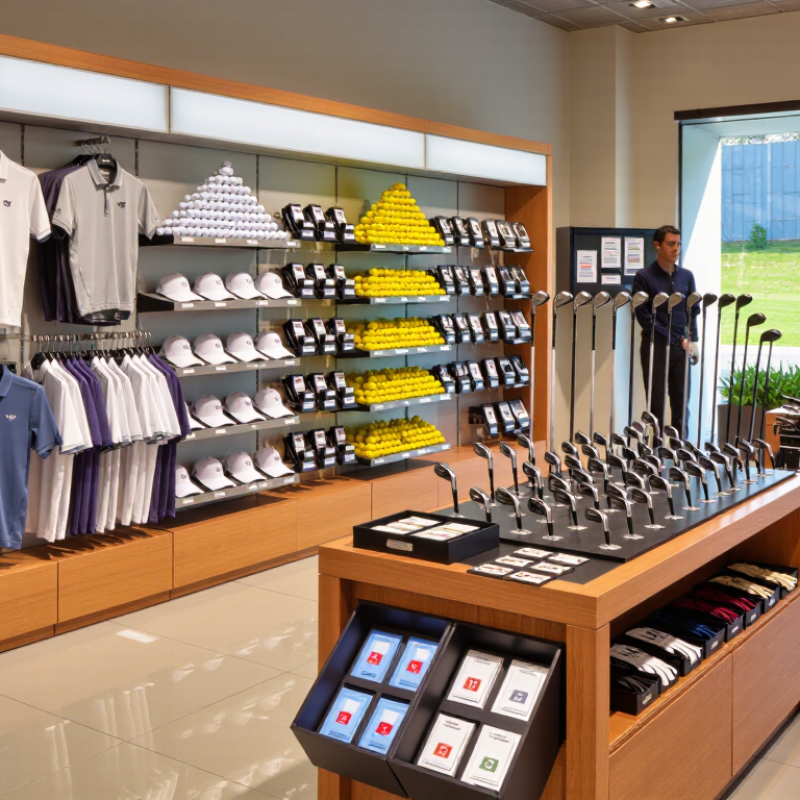
The global golf market is larger and more diverse than a single sales chart suggests. The R&A’s Global Golf Participation Report records 66.6 million golfers across 206 countries. That figure gives pro shop suppliers a useful demand baseline. It also hides important differences. A coastal course may need rain gloves and waterproof layers. A desert facility may sell more sun protection, cooling towels, and durable footwear.
Regional purchasing requires evidence, not guesswork. The National Golf Foundation reported 28.1 million on-course golfers in the United States during 2023. Its participation research also tracks growing interest in off-course formats. Buyers should therefore assess both course traffic and local practice habits. Stock depth matters, but replacement speed matters more. Small accessories often move faster than premium equipment. That assumption is convenient, and often wrong.
Reliable suppliers should provide clear product specifications, consistent sizing, quality inspection records, and realistic production schedules. They should also explain packaging, documentation, and delivery terms before an order is placed. For global buyers, mixed climate testing is valuable. Heat, humidity, cold storage, and repeated handling expose weak materials quickly. Suppliers can support better decisions with sample orders and sales history by region. Yet historical data cannot predict every season. Weather, tourism, and changing participation patterns still distort demand.
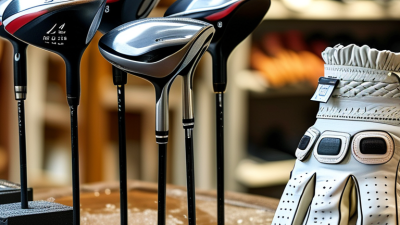
The global golf market baseline includes approximately 66.6 million golfers across 206 countries, according to participation data reported by The R&A. These figures indicate a broad international customer base for golf pro shop suppliers and related retail categories.
Source: The R&A, global golf participation statistics.
For 2026, global golf pro shop suppliers should segment buyers before selecting products. The National Golf Foundation reported 28.1 million U.S. on-course golfers in 2023. This figure represents active course users, not every person who touched a club. That distinction matters when estimating demand for gloves, shoes, apparel, training aids, and accessories.
U.S. buyers often need reliable replenishment for busy public courses and resort shops. The R&A’s Golf Around the World 2023 report counted 66.6 million golfers across 206 countries. Global buyers therefore require different product mixes. Rainwear suits northern markets, while lightweight sun protection fits tropical courses. Junior equipment and beginner sets also deserve separate inventory planning. One catalog rarely serves every segment well.
Experienced purchasing teams should compare material specifications, size coverage, testing records, packaging, and delivery consistency. Ask for sell-through evidence by climate and customer type. Small details matter, such as glove ventilation, zipper durability, and carton protection during sea freight. The data is useful, but imperfect. Participation reports can combine different survey methods and definitions. Buyers should validate national figures against course traffic, local retail data, and previous order performance. A supplier that provides clear documentation and responds quickly is often more valuable than one offering the lowest first quotation.
| Buyer Segment | Market Evidence | Typical Buying Mission | Core Product Categories | Key Supplier Requirements | Recommended Evaluation Metrics |
|---|---|---|---|---|---|
| U.S. Golf-Course Pro Shops | 28.1 million U.S. on-course golfers were reported in 2023 by the National Golf Foundation (NGF). | Serve players purchasing equipment, apparel, accessories, gifts, and last-minute essentials at the course. | Golf balls, gloves, caps, shirts, outerwear, towels, bags, tees, umbrellas, training aids, and course-branded merchandise. | Reliable replenishment, flexible case quantities, seasonal assortments, consistent sizing, fast fulfillment, and private-label support. | In-stock rate, lead time, minimum order quantity, size availability, reorder flexibility, and defect rate. |
| Golf Resort and Destination Retailers | Resort golf retail combines course traffic with accommodation, tourism, and souvenir purchasing. | Offer practical golf essentials plus premium merchandise suitable for visitors and gift buyers. | Travel-friendly apparel, rainwear, caps, accessories, premium gifts, golf bags, luggage items, and logo-ready merchandise. | Multi-season collections, export-ready packaging, premium presentation, dependable delivery, and customization capability. | Tourist appeal, packaging quality, customization lead time, landed cost, and collection breadth. |
| Golf Retail Chains and Multi-Location Operators | Multi-store buyers require standardized products and purchasing processes across locations. | Build repeatable assortments while controlling inventory, pricing, and store-level replenishment. | Core equipment accessories, apparel basics, footwear-related accessories, consumables, gifts, and seasonal collections. | Centralized account management, electronic order processing, carton labeling, consistent quality, and scalable production. | Fill rate, SKU consistency, on-time delivery, inventory turnover, return handling, and total landed cost. |
| Golf Academies and Teaching Facilities | Instructional facilities need products for lessons, practice, fitting, and player development. | Supply coaches and students with training products and convenient practice accessories. | Training aids, alignment tools, practice nets, gloves, balls, towels, cones, mats, and coaching accessories. | Functional design, durability, clear product instructions, compact shipping, and small-to-medium order support. | Product durability, ease of use, safety, instructional value, replacement availability, and unit cost. |
| Corporate and Tournament Merchandise Buyers | Golf events commonly use merchandise for player packs, awards, hospitality, and promotional programs. | Purchase coordinated items that can be customized and delivered before a fixed event date. | Caps, polos, towels, bags, ball markers, divot tools, umbrellas, gift sets, and presentation packaging. | Artwork approval, embroidery or printing, sample confirmation, deadline control, and individually packed orders. | Customization accuracy, sample-to-production consistency, event-date compliance, packaging, and quantity accuracy. |
| International Importers and Distributors | Importers serve multiple local retailers and must manage customs, currency, and regional demand differences. | Source commercially viable products for resale through country or regional distribution networks. | Golf accessories, apparel, bags, training products, gift items, and private-label collections. | Export documentation, carton and product specifications, stable quality, compliant labeling, and predictable production capacity. | FOB or landed cost, production lead time, documentation accuracy, compliance, MOQ, and distributor margin. |
| Online Golf Retailers | Online sellers require products that can be photographed, described, packed, and shipped efficiently. | Offer broad choice while minimizing storage space, picking complexity, and customer returns. | Accessories, apparel, training aids, travel products, gift sets, and compact golf essentials. | Accurate product data, barcode support, protective packaging, low damage risk, fast replenishment, and drop-ship options. | Content accuracy, shipping dimensions, return rate, damage rate, order processing time, and stock availability. |
| Municipal and Public Golf Facilities | Public courses typically prioritize practical value, durability, and broad appeal for local players. | Stock essential merchandise at accessible prices while maintaining dependable day-to-day operations. | Golf balls, gloves, tees, caps, towels, rain accessories, basic apparel, bags, and course-use accessories. | Competitive pricing, durable construction, straightforward ordering, moderate MOQs, and dependable replenishment. | Price-to-quality ratio, durability, availability, reorder speed, warranty support, and budget compliance. |
2026 Best Golf Pro Shop Suppliers for Global Buyers
Global golf buyers need suppliers with measurable SKU depth, not attractive catalogs alone. In my sourcing experience, clubs require the closest technical review. Check loft options, shaft flexes, grip sizes, head designs, and replacement availability. A deep club range supports fitting services and reduces forced substitutions.
Depth matters. Golf balls should cover different compression levels, construction types, visibility options, and playing conditions. Buyers should request test samples, batch records, and packaging details before placing larger orders. Apparel needs depth in sizes, colors, seasonal fabrics, and weather protection. A supplier offering only popular sizes may create slow-moving gaps on the sales floor. Confirm measurement charts carefully. They are not always consistent.
Accessories often reveal a supplier’s operational strength. Compare SKU coverage for gloves, bags, towels, tees, training aids, and repair tools. Ask about carton quantities, replenishment timing, private labeling capability, and quality inspection procedures. My early comparisons focused too much on unit price. That was a mistake. A low-cost item can become expensive when sizing errors, damaged packaging, or uneven stock interrupt sales. Suppliers should provide clear product specifications and traceable sample approvals. Buyers also need realistic lead times, especially for mixed-category orders. More SKUs are not automatically better. Excessive variety can weaken inventory control. A practical range, supported by reliable replenishment, usually serves a professional shop better.
Compliance and quality should guide every golf pro shop purchase. Golf equipment must align with current USGA and R&A Rules when intended for regulated play. Buyers should check club dimensions, groove details, ball performance, and other technical specifications. A supplier’s confident statement is not enough.
Request current test reports, product drawings, and traceable batch records. Compare these documents with the latest official equipment rules before placing a large order. Small differences can matter. A clubhead measurement may pass in one version and require review after a design change. Practical sampling also helps: inspect finish consistency, shaft alignment, grip installation, and packaging damage.
ISO 9001 verification adds another useful layer. Confirm the certificate number, issuing body, validity dates, and certified production scope. The certificate should cover activities related to the products being purchased. It does not automatically prove that every item follows golf equipment rules. Ask how the supplier handles complaints, corrective actions, supplier changes, and rejected batches.
Experience shows that paperwork can look complete while factory controls remain uneven. That is uncomfortable, but worth examining. Request a recent inspection record and one retained sample from the same production batch. Independent testing may cost more, yet it can reveal weight variation or inconsistent tolerances before shipment. Buyers should also document approval decisions, because quality depends on evidence, not promises.
Global golf buyers need more than a low factory quotation.
A practical 2026 scorecard should record MOQ, production lead time, landed cost, and warranty terms. The World Bank’s 2023 Logistics Performance Index evaluates customs, infrastructure, shipment quality, logistics competence, tracking, and timeliness. These factors can change delivery results sharply between supplier regions.
A workable benchmark is 50–100 units for standard golf accessories and 25–45 days for production.
Custom colors, packaging, or club specifications may add 10–20 days.
Do not trust “shipping included” pricing. Calculate product cost, tooling, packaging, freight, insurance, duties, and destination handling separately.
UN Comtrade trade data can help buyers compare HS-code import values and identify unusual price gaps. Landed cost matters more.
Warranty evidence deserves equal weight.
Request defect-rate records, inspection photos, replacement procedures, and a written response deadline.
A 12-month warranty is a reasonable starting floor, but coverage exclusions require careful review.
The National Golf Foundation’s participation research confirms a large and diverse golf market, increasing pressure for consistent equipment availability.
My early scorecard overvalued unit price and ignored rework time. That was costly. A supplier with a slightly higher quotation may still win when defects, delays, and small replacement shipments are included. Keep one sample order before scaling. Small tests reveal uncomfortable details.
Newsletter SignupUpcoming events, promo offers, member exclusives and more.
Golf Fanatics is a Chrysalis Enterprises Company owned by a group of like-minded individuals who share a common passion and affinity for golf, investing in successful Small-Medium-Enterprises, creating rewarding employment opportunities and being good industry participants and corporate citizens.
Monday
Tuesday
Wednesday
Thursday
Friday
Saturday
Sunday
9 a.m. – 10 p.m.
8 a.m. – 10 p.m.
8 a.m. – 10 p.m.
8 a.m. – 10 p.m.
8 a.m. – 11 p.m.
8 a.m. – 11 p.m.
8 a.m. – 9 p.m.
Copyright © 2025 · Golf Fanatics is a division of Chrysalis Golf Ventures Inc.
7100 15th St SE, Calgary AB
This site is protected by reCAPTCHA and the Google Privacy Policy and Terms of Service apply.

Need help? Call our support 24/7

Just a few things before you book…
While Toptracer Range technology and our automated ball dispensers are 99% reliable, there are rare instances when they do not function properly, especially during periods of inclement weather.
Please note that we do not guarantee the reliability of these services during any booking and will not provide you with a refund or credit if they do not function properly during your booking, therefore booking our services is fully at your discretion.
By booking our services, you acknowledge full responsibility for the cost of any intentional or unintentional damages to any Golf Fanatics or neighboring property and equipment caused by you or your guests during your booking.
You and your guests hereby agree to indemnify Golf Fanatics from any liabilities associated with any personal injury incurred by you or your guests during your booking.