2026 Best Club Fitting Tips for Optimal Performance and Accuracy?
In the world of golf, the precision of every swing depends heavily on the fit of your clubs. “Club fitting can transform a good player into a great player,” says renowned club fitting expert Bob Vokey. His insight emphasizes the importance of tailoring equipment to one’s unique needs. Club fitting involves evaluating an individual’s height, swing speed, and style to select the perfect clubs.
Many golfers underestimate the impact of proper club fitting. They often use off-the-shelf clubs, leading to inconsistent performance on the course. A poorly fitted club can create swing flaws and limit your potential. This shows how vital it is to seek professional fitting sessions.
Not all golf equipment is created equal. Some players may find their game stalling despite countless hours of practice. This indicates a gap that club fitting could address. It allows golfers to explore optimal shaft lengths, lie angles, and grip sizes. Correctly fitted clubs can lead not only to improved accuracy but also to increased confidence during play. Reflecting on your own experience with equipment is essential for deeper improvement.

Understanding the Importance of Club Fitting for Golf Performance
When it comes to golf, the right equipment can make all the difference. Club fitting plays a crucial role in achieving optimal performance. Ill-fitting clubs can hinder your game, affecting accuracy and distance. Aligning the proper length, weight, and flex with your swing type can revolutionize your performance.
Many golfers underestimate the significance of custom fitting. A club that feels uncomfortable can disrupt your rhythm. Small adjustments in loft or lie angle can change everything. Imagine a club that feels like an extension of your body. This is what proper fitting can provide. However, it's common for players to ignore these details, thinking they can adapt.
It's essential to be honest about your game. Are you consistently missing the target? Reflect on if your clubs might be part of the issue. Accurate fitting requires self-assessment. Each golfer's swing is unique, and fitting should reflect that. By recognizing these factors, you can work towards a better experience on the course.
Key Factors Influencing Club Fitting: Length, Loft, and Lie Angle
When it comes to club fitting, dimensions matter. Length, loft, and lie angle play crucial roles. The right club length can enhance your swing. A club that is too short or too long can lead to inconsistent hits. Finding your ideal length can transform your performance.
Loft influences the trajectory of your shots. Clubs with varying loft angles can affect how high or low your ball flies. A higher loft can help with carry distance, while lower loft can increase roll. Make sure to test different options. Each golfer's swing is unique, and adjustments may be needed.
Lie angle affects your shot accuracy. If the lie angle is off, you might see hooks or slices. A proper lie angle ensures the clubface strikes the ball squarely. This aspect is often overlooked but is essential for improving your game. Sometimes, it's worth reevaluating your setup. Explore adjustments to see what clicks.
Assessing Your Swing: How to Choose the Right Shaft Flex
Choosing the right shaft flex is crucial for optimizing your performance. A recent report from the National Golf Foundation reveals that 60% of golfers struggle with consistency. This often links back to improper shaft flex. The flex of a golf shaft affects how much it bends during a swing. Too stiff or too flexible can lead to poor accuracy.
To assess your swing, you need to analyze your swing speed. Golfers with slower swings typically benefit from a more flexible shaft. Data indicates that players swinging under 85 mph should consider regular flex. Conversely, those over 100 mph may require stiff or extra stiff options. If you find you hit the ball consistently offline, it might be time to reevaluate your shaft.
Feelings of frustration can arise when you don't see improvements. Many players overlook the importance of their equipment. They focus solely on technique but forget their gear needs to match their style. Test different flex options to see how your shots differ. Observation is key—watch how the ball reacts. Personal reflection is necessary to make effective changes.
The Role of Grip Size and Style in Enhancing Club Performance
The grip size and style can dramatically influence your golf performance. According to a recent survey, nearly 75% of golfers use grips that do not match their hand size. This mismatch can lead to inconsistent swings and lower accuracy. A grip that is too small may cause excessive tension, while a grip that is too large can hinder wrist action.
Understanding the importance of grip dynamics is crucial. A study published by the Golf Research Journal indicates that proper grip size can enhance distance by up to 5 yards on average. This finding underscores the significance of choosing the right grip for your game. Many players overlook this key element, focusing mostly on clubhead design or shaft stiffness. But the grip is where the connection happens.
Different grip styles also play a role. For example, the overlapping grip may favor players looking for control, while the interlocking grip can improve feel and stability. Experimentation is necessary. Yet, many golfers stick to what they know without exploring different options. It’s an area worth revisiting for those aiming for optimal performance on the course. Adjusting your grip could be the game-changer you need.
2026 Best Club Fitting Tips for Optimal Performance and Accuracy
Using Technology and Tools for Accurate Club Measurement and Fitting
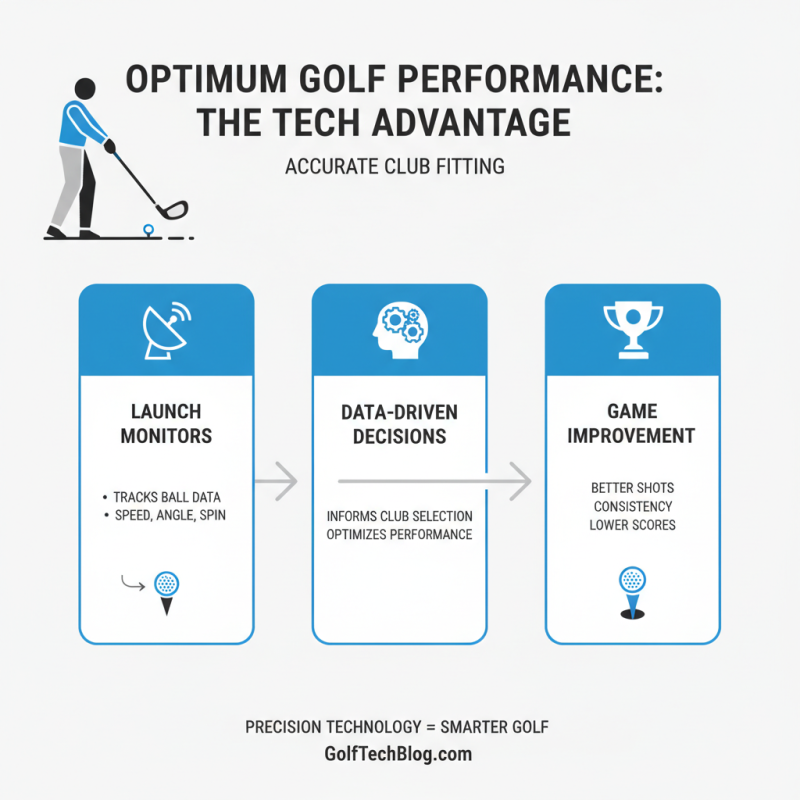
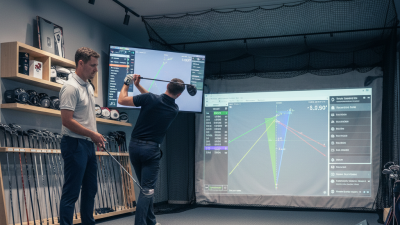
In the drive for optimum performance, technology plays a pivotal role in club fitting. Accurate measurement is essential. Launch monitors are popular tools that track ball speed, launch angle, and spin rate. They provide data to inform fitting decisions. The detail of this information can make a significant difference in your game.
Also, consider using adjustable tools in your fitting process. These tools allow minor tweaks based on real-time data. Experimenting with different weights and loft adjustments can help fine-tune your clubs. However, it's easy to overlook how personal comfort influences performance. Sometimes, the perfect technical setup may feel off in your hands.
Remember, the fitting process is not a one-size-fits-all solution. Regularly reassessing your equipment can lead to insights. You might discover preferences you didn't know you had. What worked last season may not suit your current game. Keep questioning your setup. Embrace the reflection journey around your club fitting choices.










 Newsletter