



2026 Best Golf Club Types for Global Buyers?

Golf is no longer a niche purchase for local players. It is a global equipment market shaped by travel, online retail, coaching access, and changing player expectations. The R&A’s Golf Around the World 2024 report tracks participation across 206 countries and territories, showing the sport’s broad international reach. The National Golf Foundation also reported 47.2 million on-course and off-course golfers in the United States during 2023. More players create more equipment questions, especially for buyers comparing specifications across regions.

Choosing the right golf club begins with the player, not the marketing label. Drivers can add distance, but launch angle and forgiveness matter more for many beginners. Fairway woods and hybrids can replace difficult long irons. Irons should match swing speed, strike consistency, and desired trajectory. Wedges require careful attention to loft and bounce, particularly on firm courses or wet turf. Putters deserve equal consideration because distance control often determines real scoring improvement.

Small details matter. A lightweight shaft may help a slower swing, while a heavier setup can improve control. Left-handed availability, grip size, fitting standards, shipping conditions, and regional warranty support also deserve review. These factors are easy to overlook. That is the uncomfortable part.

Industry reports provide useful direction, but they cannot replace an honest fitting session. The R&A and NGF measure participation and market behavior, not every golfer’s feel at address. Global buyers should compare verified specifications, test several head designs, and question impressive claims. The best golf club is rarely the most expensive one. It is the model that produces repeatable contact, comfortable confidence, and practical value on the courses you actually play.
2026 Best Golf Club Types for Global Buyers?

Golf Club Categories and Their Primary Uses

Golf club categories serve different jobs, and global buyers should match each club to course conditions. The R&A’s Global Golf Participation Report 2023 recorded 66.6 million adult golfers across 206 countries. That wide market includes beginners, competitive players, and occasional users.

Woods create speed from the tee or fairway. A driver suits maximum distance, while fairway woods offer more control from shorter grass. Hybrids replace difficult long irons for many golfers. They launch higher, especially from damp turf or light rough.

Irons handle approach shots. Lower-numbered irons produce longer, flatter flights, while higher-numbered irons support controlled distances. Wedges add precision near the green. Loft, bounce, and sole shape matter on sand, firm ground, and thick grass.

Putters focus on direction and pace during the final strokes. Small head alignment features can help, but technique still dominates. The USGA and The R&A’s Distance Insights research shows that distance trends continue influencing equipment discussions and course design. More distance is not always better for every buyer. That assumption deserves doubt.

A practical selection starts with swing speed, typical course turf, weather, and skill level. Independent fitting data can reveal inconsistent gaps between clubs. Those gaps waste strokes.

Buyers should also test lie angle, shaft weight, and grip size. The process feels less exciting than choosing a shiny finish. It is usually more useful. Professional advice remains valuable, although even a fitting cannot correct poor contact every time.

Key Features to Compare Across Golf Club Types

Choosing golf clubs for global buyers requires more than comparing loft and price.

The R&A’s Global Golf Participation Report 2023 counted 66.6 million adult golfers across 206 countries. Playing conditions therefore vary widely. A forgiving driver suits high handicappers, but shaft weight and launch angle need equal attention. A wider sole can help on soft fairways. A narrower sole may perform better on firm turf.

Compare club types through measurable features. Drivers and fairway woods need head stability, launch height, and workable spin. Irons should be judged by distance gaps, sole design, and forgiveness.

Wedges require bounce that matches local sand and turf conditions. Putters depend on alignment, face balance, and green speed. The USGA and R&A Distance Insights Report found average driving distance rose across every handicap category in 2023, but distance alone remains an incomplete buying signal. I still overtrust launch-monitor numbers sometimes. Real course feedback can disagree.

Tips: Test clubs with your normal golf ball and record carry distances. Check seven-to-ten-yard gaps between clubs. Try shots from tight lies and rough. Ask for shaft fitting, especially when buying across different climates. A compact head may look professional, yet it can punish inconsistent contact. Personal testing matters more than a clean specification sheet.

Best Club Types for Different Player Skill Levels

Choosing golf club types by skill level is more reliable than following fashion. The R&A’s Golf Around the World 2023 report estimated 66.6 million golfers across 206 countries. That growing audience includes complete beginners, improving players, and highly consistent competitors.

Beginners usually benefit from game-improvement irons, wide-soled wedges, and a high-lofted fairway wood. These designs help launch the ball when contact is inconsistent. A putter with clear alignment lines can also reduce confusion on short greens. Keep the set simple. Too many clubs may create more decisions than confidence.

Developing players often need a mixed set. More forgiving long clubs can support distance, while shorter irons can offer better control. A professional fitting should check shaft length, lie angle, loft gaps, and swing speed. The National Golf Foundation reported that 28.1 million Americans played golf on-course in 2023, showing how many players are actively refining their equipment choices. However, skill labels are not perfect. A low-handicap player may still struggle with long irons, while a beginner may strike a compact club surprisingly well.

Advanced players usually prefer players’ irons, specialty wedges, and adjustable woods that reward precise contact. They should test carry gaps, not only total distance. Launch-monitor data can expose a hidden problem: two clubs may travel almost the same distance. That wastes space in the bag. Even experienced golfers sometimes choose feel over forgiveness, and that decision deserves another review.

Global Buyer Considerations for Materials, Standards, and Fit

2026 Best Golf Club Types for Global Buyers?

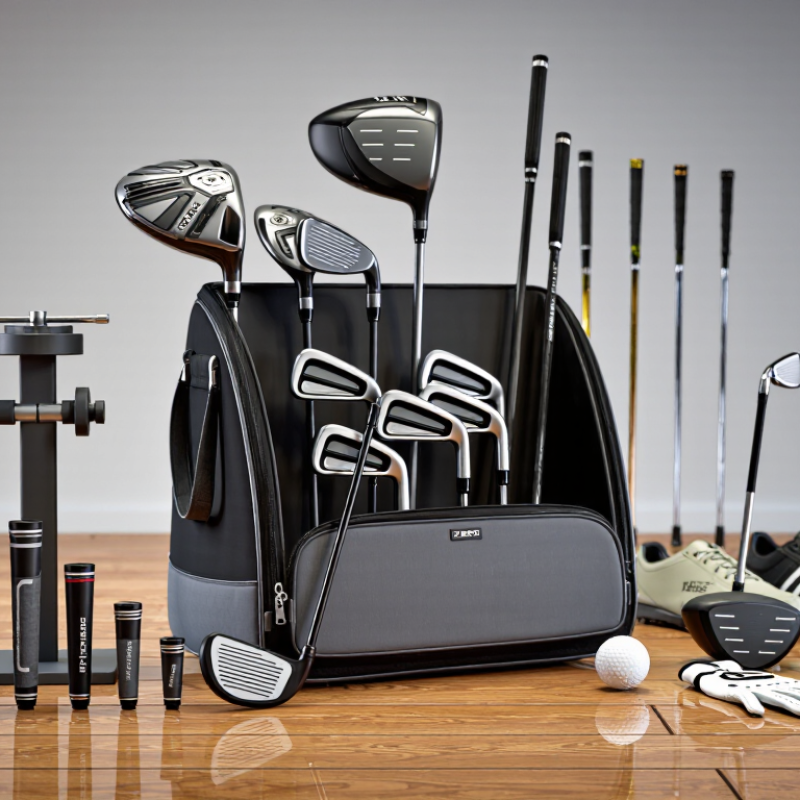
Global buyers should compare club types by materials, standards, and personal fit. Drivers often use titanium faces and lightweight composite crowns. Irons may combine stainless steel bodies with tungsten weighting for stability. Wedges need durable grooves and predictable sole designs. Putters require a balanced head and a comfortable alignment shape.

Material claims need evidence. Ask for alloy descriptions, shaft specifications, and independent quality-control records. For tournament use, verify current equipment rules from recognized governing bodies. Local import requirements may also affect labeling, packaging, and safety documentation. Ask for evidence. A low price cannot replace traceability.

Fit should guide every purchase. Measure wrist-to-floor length, hand size, swing speed, and typical miss pattern. Shaft flex affects timing, but flex labels are not perfectly consistent. Lie angle can change direction, especially with irons. Grip thickness also matters; oversized grips may reduce hand action, while thin grips can increase it. My early buying mistake was choosing a full set by appearance. The clubs looked impressive, but the shafts felt heavy after nine holes. A fitting session revealed a better combination of lighter shafts and slightly weaker lofts. It was not a perfect answer. Weather, turf, and playing habits still change performance. Global buyers should request fitting charts, replacement-part policies, and clear tolerance information before ordering.

How to Choose the Right Golf Club Setup in 2026

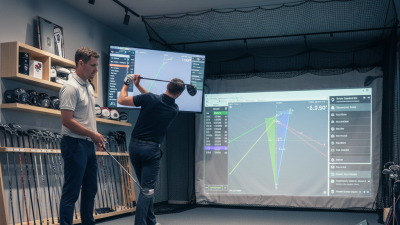
Choosing the right golf club setup in 2026 starts with your swing, not a trend. A useful fitting considers swing speed, launch angle, ball flight, and your common miss. An experienced fitter should watch several shots, not one perfect swing. Bring your current clubs. Their wear marks reveal where contact really occurs. A clean strike feels different from a hopeful one.

For many global buyers, a balanced setup includes a driver, fairway wood or hybrid, irons, wedges, and a putter. Yet a full set is not automatically better. Players with slower swing speeds may gain consistency from hybrids and lighter shafts. Stronger players may need fewer long clubs and better wedge spacing. Check loft gaps on a launch monitor, aiming for practical distance intervals instead of impressive maximums. Weather matters too. Windy coastal courses can reward lower flight and controlled spin, while humid conditions may slightly affect carry.

Shaft flex, length, grip size, and lie angle deserve equal attention. Small fitting errors can turn a solid swing into a recurring pull or thin shot. Ask for outdoor testing when possible, because indoor screens cannot show every visual flight detail. Confirm local rules, import costs, and repair support before ordering internationally. This part is easy to overlook. My fitting advice is not perfect: numbers can encourage overthinking, and comfort still matters. Choose clubs you can repeat under pressure, then reassess after several rounds instead of chasing one unusually long shot.

2026 Best Golf Club Types for Global Buyers

How to Choose the Right Golf Club Setup in 2026

This chart compares representative loft angles commonly found in modern golf-club setups. Lower-lofted clubs are designed for distance, while higher-lofted clubs provide more launch, control, and stopping power. A balanced setup usually combines a driver, one or two fairway woods or hybrids, evenly spaced irons, and wedges with approximately 4–6 degrees of loft separation. Exact specifications vary by set design and player fitting needs.

Go to Top