What Is a Card Board Game and How Is It Made?
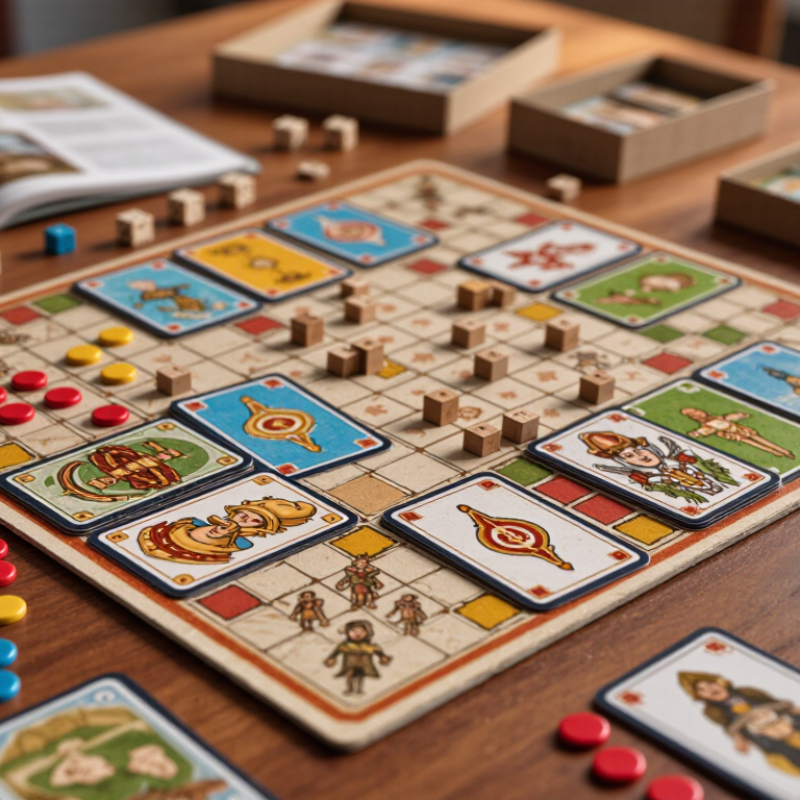
What Is a Card Board Game and How Is It Made? The answer begins with its structure. Card Board Games usually combine a printed board, illustrated cards, tokens, rules, and a clear winning condition. Some games use cards as the main engine, while the board tracks movement, territory, resources, or changing risks. A small deck can create surprising tension. A cardboard board may fold into a square package. Together, these parts turn simple materials into a repeatable social experience.
Making one requires more than attractive artwork. A designer first defines the players, playing time, theme, and core decision. Then, rough cards and paper pieces become a working prototype. No polished box yet. Experienced designers test the prototype repeatedly, often with unfamiliar players, because friends may kindly hide confusing rules. Notes reveal slow turns, weak choices, unclear icons, and accidental advantages. The design changes through many imperfect versions.
After the rules stabilize, professional artists and graphic designers prepare readable layouts. Manufacturers check paper thickness, color accuracy, folding lines, cutting tolerances, and safe component handling. The production process may include prepress review, offset printing, coating, die cutting, packing, and quality inspection. A single misprinted symbol can change a strategy. That detail matters. Even careful teams can overlook an edge case, so reliable development includes final testing and honest revision. A successful game is not merely printed; it is tested, explained, handled, and improved before reaching a table.
Definition and Core Features of a Card Board Game
What Is a Card Board Game and How Is It Made?
A card board game uses cards as its main tools for choices, actions, or scoring. Players may draw, trade, reveal, or arrange cards during play. Unlike a simple card pack, it includes structured rules and a clear goal. Most designs also use turns, player interaction, and limited information. These features create tension without requiring complicated equipment.
A reliable card board game needs readable text, balanced card effects, and a repeatable play sequence. Designers usually begin with a basic theme and a small card set. They then test the rules with paper prototypes. During testing, a card may feel too powerful, too weak, or simply boring. That feedback matters. I have found that physical testing reveals problems that polished writing can hide. Card size, shuffle quality, and symbol placement also affect the experience. A beautiful idea can fail at the table.
Tips: Keep the first version small. Use clear verbs. Test with new players. Watch their pauses. Do not explain every mistake away. If players repeatedly misunderstand one rule, the rule probably needs revision. Leave enough space for fingers, discard piles, and visible information. A short rulebook is helpful, but only when its examples are accurate. Good design is not always perfect. It should be understandable, fair, and enjoyable after several plays.
Key Components and Materials Used in Card Board Games
What Is a Card Board Game and How Is It Made?
A card board game combines printed cards, a playing board, tokens, and clear rules. Each component must support the game’s purpose. Cards usually use coated paper or laminated cardstock for better durability. The board often uses thick greyboard with a printed paper surface. Folding lines should be accurate, or the board may not close properly.
Tokens can be made from wood, plastic, or punched cardboard. Their size matters because players must move them easily. A practical prototype uses ordinary paper, recycled card, and simple counters. This stage reveals problems before expensive production begins. I have found that unclear icons cause more confusion than imperfect artwork. That detail is easy to overlook. Box inserts also deserve attention. They keep components organized and reduce damage during storage.
Tips: Test the game with different ages and reading abilities. Check whether cards shuffle smoothly and whether small text remains readable. Use color contrast carefully, especially for players with visual limitations. Measure every component before ordering materials. A slightly thicker board may feel better, but it can increase shipping weight. The first design will probably need revision. That is normal. Keep notes on weak edges, confusing instructions, and pieces that disappear during play. Reliable manufacturing depends on these small observations.
How a Card Board Game Is Designed and Developed
What Is a Card Board Game and How Is It Made?
A card board game combines cards, a playing surface, and structured player decisions. Its cards may control movement, resources, actions, or changing story events. The board supplies visible space, while the cards create uncertainty and tactical choices. Good design begins with a clear player experience, not a pile of attractive artwork. I define the main objective, player count, game length, and learning difficulty before writing detailed rules.
During development, I build a rough paper prototype with handwritten cards and simple tokens. Paper is useful because changes remain cheap. I test one rule at a time, then record confusing moments, waiting periods, and unexpected strategies. I also use blind playtests, where players learn from the written instructions without my help. Silence matters too. It reveals weak explanations. My early versions often contain excessive card effects, and removing them usually improves the experience. That failure is valuable.
After the rules stabilize, a production specialist checks card size, material strength, print clarity, and board folding accuracy. Cards need readable text, consistent symbols, and enough contrast for different lighting conditions. The board should resist repeated handling without becoming difficult to store. I also request accessibility feedback, especially for color choices, font size, and icon meaning. One practical concern is balance: a powerful opening card can make later decisions feel pointless. Small adjustments require repeated testing, because a change affecting one card may disturb the entire game.
The Manufacturing Process from Prototype to Finished Game
A card board game uses illustrated cards, rules, and often small tokens to create structured play. Manufacturing begins with a rough prototype, not polished artwork. Designers may cut paper cards by hand and write rules with a pencil. This stage reveals confusing actions, weak pacing, and rules that sound better than they play. A first version is usually ugly. That is useful.
The team then tests the prototype with different players and records specific reactions. They check card size, text readability, shuffle performance, and component durability. After revisions, an illustrator prepares final files, while a production specialist confirms dimensions, colors, paper thickness, coating, and packaging. A printed proof follows. It can expose small problems, such as dark symbols or cramped instructions. These details matter. The manufacturer then prints sheets, cuts cards, rounds corners, sorts components, and packs each set. Quality control checks missing pieces, alignment, surface damage, and randomization. Production is not always perfectly smooth, and rushed approvals can create expensive corrections.
Tips: Keep early prototypes cheap. Test rules before artwork. Use measurable feedback, not only opinions. Ask players to explain their choices aloud. Check a physical proof under ordinary indoor light. Leave extra time for cutting, packing, and reprints. Even careful teams miss something. That weakness should lead to another review, not a silent guess.
What Is a Card Board Game and How Is It Made?
Typical working-day estimates for the main manufacturing stages, from the first prototype to a finished card board game. Actual timing varies with game complexity, component count, order size, and production capacity.
Prototype development and artwork preparation usually require the most planning time. Printing, cutting, assembly, quality inspection, and packing then turn the approved design into a finished product.
Quality Testing, Packaging, and Market Preparation
What Is a Card Board Game and How Is It Made?
A card board game becomes market-ready through repeated testing, careful packaging, and practical preparation. In production, I check card thickness, corner cuts, surface coating, and color consistency. A small sample may look excellent, yet fail after repeated shuffling. That happened during one prototype review. The cards bowed slightly in humid conditions.
Quality testing should reflect real play. Testers shuffle, draw, hold, and sort the cards many times. Inspectors should also verify card counts, print alignment, readable text, and safe edges. Rules need testing too. Players should understand the first turn without constant assistance. Record every defect, even minor ones. Small issues can become expensive after mass production.
Packaging protects the components and communicates useful information. Check whether the box closes securely and whether the insert prevents movement. Measure the packed product before confirming shipping cartons and storage space. Include clear instructions, component details, age guidance, and required market information. A barcode or warning label may need regional review. Preparation should also include blind playtests, retailer feedback, production samples, and a final inspection checklist. I would not approve a launch only because the artwork looks polished. The package may still damage cards, confuse new players, or waste shelf space. Market readiness is less glamorous than design, but it exposes the truth.





 Newsletter