



How to Choose the Right Golf Club for Your Skill Level and Playing Style

Choosing the right golf club is essential for enhancing your performance on the course and enjoying the game to its fullest. With a variety of options designed for different skill levels and playing styles, navigating the world of golf clubs can be overwhelming, especially for beginners. Understanding the key factors that influence your choice can lead to a more effective golf game and a more satisfying experience overall.

It's important to recognize that not all golf clubs are created equal. The ideal club for you will depend on your individual abilities, swing characteristics, and preferences. As you progress in your golfing journey, the clubs you select should complement your skill level while also accommodating any changes in your playing style. By taking the time to evaluate your game and exploring the different types of clubs available, you can make informed decisions that empower you to play your best.

In this guide, we will delve into the critical aspects of selecting the right golf club. From understanding the role of different club types to assessing your strengths and weaknesses, we aim to provide you with the insight needed to navigate your options successfully. Whether you're a novice or an experienced player, this information will help you align your equipment with your goals, ultimately making your time on the course more enjoyable and productive.

How to Choose the Right Golf Club for Your Skill Level and Playing Style

Understanding Different Types of Golf Clubs and Their Uses

When selecting the right golf club, understanding the various types and their specific uses is crucial. Golf clubs are generally categorized into four main groups: woods, irons, wedges, and putters. Woods, characterized by their larger heads and longer shafts, are primarily used for driving the ball long distances off the tee. They are ideal for beginners looking to maximize distance, as they help users achieve greater launch angles and speed.

Irons are another essential category, which typically range from 3 to 9, along with pitching and gap wedges. They are versatile and are used for approach shots and lies in the fairway. Generally, shorter irons are easier to control, making them suitable for players of varying skill levels. Wedges, like the sand wedge and lob wedge, offer precision for short-game shots around the green, allowing players to navigate tricky lies and obstacles more effectively.

Lastly, putters are designed for smooth strokes on the green, helping players improve accuracy and control on their finishing shots. Knowing these types of clubs and their purposes allows golfers to make better decisions based on their playing style. A beginner might benefit from a more forgiving driver and a set of cavity-back irons, while a seasoned player may opt for a mix of blades and specialized wedges to refine their skills further. Understanding your own game and how these clubs fit into it can significantly enhance your overall performance on the course.
Assessing Your Skill Level: Beginner, Intermediate, or Advanced

When choosing the right golf club, understanding your skill level is crucial. Beginners often benefit from clubs that offer greater forgiveness and a larger sweet spot. These clubs typically have a wider sole and a lower center of gravity, making it easier to achieve height on shots and reducing the chances of mishits. As a beginner, the focus should primarily be on developing consistent swing mechanics rather than playing with clubs that demand advanced skills. Simple, lightweight clubs can help in building confidence and enjoying the game without the frustration of complicated equipment.

Intermediate players, on the other hand, are ready to explore more specialized options. This skill level indicates a grasp of the game’s fundamentals and often a desire for more control over shots. Players at this stage might benefit from clubs that offer a balance between forgiveness and workability. Looking into options that cater to improving shot shaping and distance control can be advantageous. The aim is to refine skills while still having some degree of error forgiveness, allowing players to experiment with techniques and develop a more personalized playing style.

Advanced golfers can seek clubs designed for precision, control, and feedback. At this level, players have the ability to manipulate shots intentionally and will often prefer equipment that aligns with their distinct playing style. They need clubs that are responsive to their skills, allowing for performance optimization in various conditions. This might include lower forgiveness rates, with a focus on feel, feedback, and shot accuracy, enabling the advanced player to drive their game further while catering to their unique preferences and strategies on the course.

Identifying Your Playing Style: Power Hitter vs. Control Player

How to Choose the Right Golf Club for Your Skill Level and Playing Style

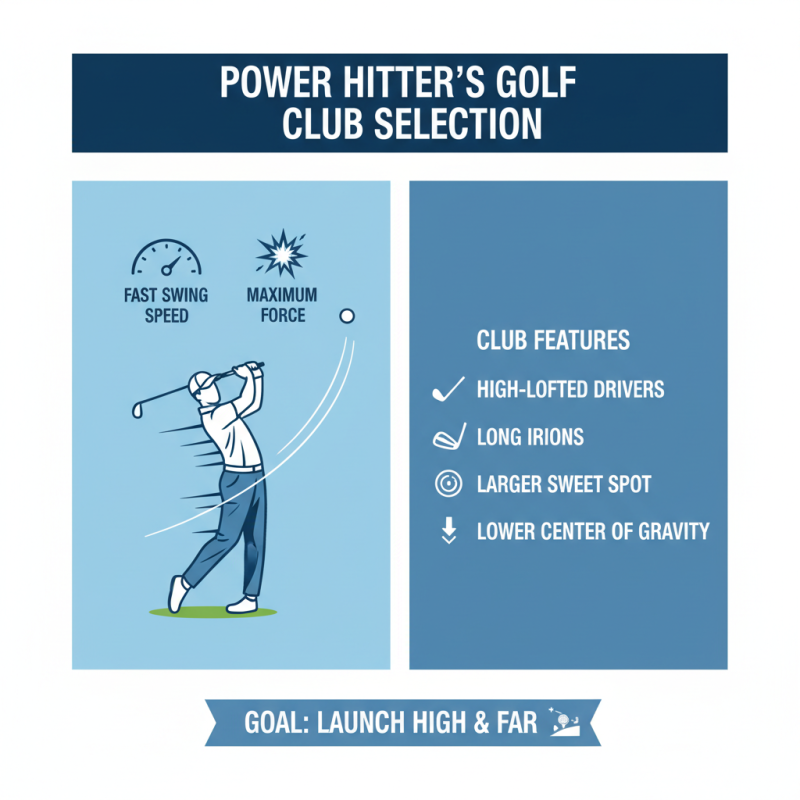
When selecting the right golf club, it's essential to first understand your playing style, which can primarily be categorized as either a power hitter or a control player. Power hitters often prioritize distance and strength in their game. They typically favor clubs that offer maximum distance, such as high-lofted drivers and long irons. These golfers tend to have a faster swing speed and seek to hit the ball with maximum force, aiming to cover as much ground as possible with each shot. For power hitters, clubs with a larger sweet spot and lower center of gravity can enhance their ability to launch the ball high and far.

Conversely, control players focus on precision and accuracy over sheer distance. They often excel in shot shaping and tactical play, valuing clubs that provide better feedback and allow for more finesse on the course. Mid- to short-irons, as well as wedges with specialized grinds, are popular choices among control players, as they enable better control around the greens. By selecting clubs that offer better feel and consistency, control players can effectively position their shots and navigate challenging holes with greater ease. Understanding whether you align more with power hitting or control play is crucial in choosing the right clubs to match your skill level and enhance your overall playing experience.

Factors to Consider When Choosing Golf Clubs: Size, Weight, and Flexibility

When selecting the right golf club, understanding the size, weight, and flexibility is crucial for enhancing your performance on the course. The size of the club can significantly affect your swing. For beginners or taller players, larger club heads may provide a greater sweet spot, making it easier to hit the ball consistently. Conversely, more advanced players might prefer smaller heads for better control and precision. Additionally, the length of the club should match your height and stance to ensure a comfortable and natural swing.

Weight and flexibility are also integral factors in choosing the right club. Heavier clubs can offer more stability and control, beneficial for experienced golfers who have developed a consistent swing. However, lighter clubs may be advantageous for beginners or those with less strength, as they are easier to handle and allow for faster swings. Flexibility, often categorized as regular, stiff, or senior flex, affects how much the club shaft bends during a swing. A more flexible shaft can help generate greater distance for slower swing speeds, while a stiffer shaft benefits stronger players by providing improved accuracy. Understanding these aspects will help players select clubs that align with their skill level and playing style, ultimately improving their game.

Golf Club Selection Factors for Different Skill Levels

Trying Out Clubs: The Importance of Club Fitting and Test Equipment

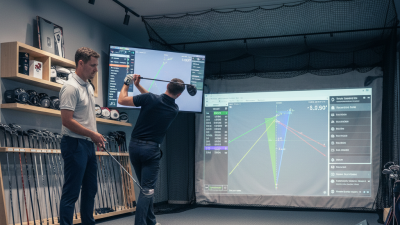
When selecting the right golf club, a crucial step is to prioritize club fitting and the opportunity to test equipment. Club fitting tailors the specifications of the club—such as length, lie angle, and shaft flex—to match an individual's unique swing mechanics. This process ensures that the golfer is set up for optimal performance, increasing both comfort and accuracy on the course. Trying out different clubs during fittings allows players to experience how various options feel in hand, enabling them to make informed decisions about what works best for them.

Testing equipment is equally essential for understanding how different clubs can impact performance based on skill level and playing style. It is recommended to visit a driving range or a fitting studio that offers a variety of clubs to experiment with. Players can assess how different head designs, weights, and grips affect their swings. This hands-on approach helps golfers develop confidence and consistency in their game, as they can identify which clubs help them achieve their desired ball flight and distance. Consequently, the investment of time in trying out clubs can lead to significant improvements in overall play, making it an invaluable step in the club selection process.

How to Choose the Right Golf Club for Your Skill Level and Playing Style

Skill Level Club Type Recommended Features Test Equipment
Beginner Game Improvement Irons Wide sole, perimeter weighting, larger clubface Launch monitor, fitting session
Intermediate Player's Irons Compact head design, enhanced feel, shot control Club fitting studio, swing analysis tool
Advanced Tour Preferred Irons Precision engineering, custom options, forged feel Professional fitting session, impact tape
All Skill Levels Drivers Adjustable loft, anti-slice technology, lightweight Simulator, launch monitor
Go to Top