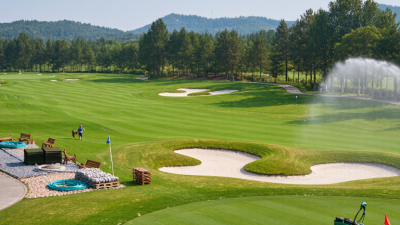




Choosing equipment for a golf course is not simply a matter of comparing prices or choosing the newest machine. The right choice must suit the turf, terrain, workload, and people who will use it. A mower that performs well on flat fairways may struggle on steep slopes. An irrigation system can look efficient on paper yet leave dry patches near exposed greens.
Golf course architect Alister MacKenzie wrote, “The ideal golf course is so constructed that a scratch player should be able to play every hole in three different ways.” His principle highlights variety in course design; equipment decisions also need to fit local conditions. A superintendent should consider cutting height, soil type, water availability, fuel or battery needs, parts access, and operator training. Ask for a site demonstration. Watch how a mower turns around a green, or how easily a utility vehicle crosses a damp path.
Small details matter. So does maintenance. Compare total ownership costs, not just the purchase price, and ask nearby suppliers about repair response times. Keep records of breakdowns and seasonal workloads before replacing equipment. These records can reveal needs that a sales brochure cannot.
There is no perfect shortlist. Budgets change, and forecasts miss things. A careful process still reduces costly surprises. This guide outlines practical questions for evaluating core equipment, checking service support, and matching purchases to course priorities. It also considers where a modest, well-maintained machine may outperform a larger model. The best choice is the one your crew can use safely, maintain reliably, and justify with evidence.
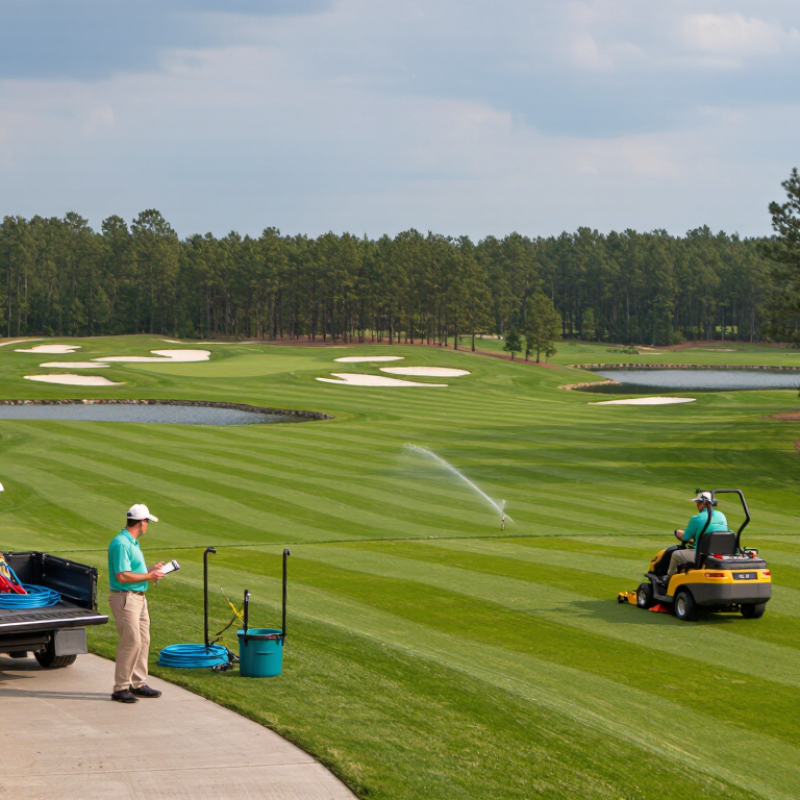
Before comparing golf course equipment, map the work the property actually demands. Walk the greens, slopes, rough, bunkers, and service paths after rain, not just in dry weather. Note narrow gates, soft ground, steep grades, and areas where machines must turn. GCSAA’s 2015 Golf Course Environmental Profile reports roughly 100 acres of maintained turf at a typical 18-hole facility. That is a useful scale reference, not a buying formula. Still, acreage alone misleads. A compact course with wet soils may need different mower weights and tires than a larger, dry site.
Match equipment capacity to labor, climate, water access, and the hours available for maintenance. In hot regions, irrigation and mowing schedules can overlap; check whether crews can operate both without delaying play. On slopes, prioritize stability and safe handling over speed. For bunker work, measure access width and sand depth before choosing a machine. These details sound mundane. They prevent costly mismatches. Keep a simple log of mowing time, downtime, fuel use, and repairs through one busy season. A neat spreadsheet can miss muddy mornings or a gate that is six inches too narrow. I would revisit the assumptions after a wet month; conditions change, and the first equipment plan is rarely perfect.
Equipment should match the surface it serves, not simply the course’s total acreage. The GCSAA’s 2015 Golf Course Environmental Profile reported an average of 101.8 maintained turf acres at an 18-hole facility, down from 107.7 acres in 2005. Greens need precise walk mowers, moisture meters, and lightweight rollers to protect smooth putting surfaces. Tees and fairways benefit from reel mowers, aerators, and calibrated sprayers. Roughs often call for rotary mowers and utility vehicles that can handle uneven ground.
Details matter. One machine rarely suits every zone.
Bunkers need reliable rakes and tools for checking sand depth; irrigation teams need pressure gauges and soil probes to spot dry areas before turf shows stress. Choose capacity around the busiest work window, storage space, operator skill, and repair access. A wide mower may save time on fairways but struggle near tight green edges.
More equipment is not always better. I would still question a purchase justified only by acreage: slope, soil, staffing, and local weather can change the workload. Match each item to a recurring task, then track labor time, fuel use, and repair frequency through the season. That evidence can reveal whether the equipment fits the course.
Choosing golf course equipment means comparing real performance, not just impressive specifications. A mower should leave an even cut across slopes and damp patches, while a utility vehicle needs steady handling on narrow paths. Test equipment under conditions similar to your course. A smooth demonstration on flat ground may hide weak traction or awkward controls.
Tips: Check cutting consistency, stopping distance, noise, and operator comfort. Inspect blades, tires, and exposed joints for wear. Ask how routine servicing affects daily availability. Small details matter.
Durability depends on materials, maintenance access, and how often equipment is used. Look for sturdy frames, protected electrical connections, and parts that can be inspected without dismantling half the machine. Compatibility is easy to overlook: confirm that attachments fit existing mounts, chargers match available power, and equipment can move through storage doors and paths. I have seen a technically capable machine become a poor fit because its turning radius was too wide. Measure tight corners and storage space before deciding. A little doubt is useful; course conditions change, and no single specification tells the whole story.
Compare equipment types across performance, durability, and compatibility using indicative ratings from 1 (low) to 5 (high).
These general planning ratings are illustrative, not measured product test results. Actual suitability depends on course size, turf conditions, terrain, and existing maintenance systems.
How to Choose the Right Golf Course Equipment?
Evaluating Costs, Safety, and Environmental Impact
Choosing golf course equipment means looking beyond the purchase price. A less expensive mower may use more fuel, need frequent repairs, or leave uneven turf. Compare total ownership costs, including energy, blades, servicing, storage, and expected lifespan. Ask suppliers for maintenance schedules and operating data, then check those figures against your course conditions. Sandy soil, steep slopes, and long daily runs can change the calculation.
Safety deserves equal weight. Look for guards, visible controls, stable braking, and clear maintenance instructions. Match machine size to paths and storage areas; a wide vehicle may create blind spots near players. Train operators to handle slopes, wet grass, and shutdown procedures. Environmental impact matters, too. Electric models can reduce local exhaust and noise, but consider battery production, charging sources, and replacement costs. No option is impact-free.
Tips: Walk the course before buying. Measure gates, slopes, and turning space. Trial equipment during a normal workday, not just in a showroom. Keep a simple log of fuel, repairs, downtime, and turf damage. The numbers may challenge your first choice. Review them after one season; conditions change, and some assumptions will prove wrong.
Planning Purchases, Training, and Ongoing Maintenance
Choosing equipment begins with the course, not a catalogue. Walk the property and note narrow paths, steep slopes, wet areas, and daily workload. A mower that suits open fairways may be awkward near tees or tree lines. Ask operators what slows them down; their answers often reveal needs that a spreadsheet misses. Compare purchase price with expected fuel, parts, service, and storage costs. Keep a small reserve for repairs. Budgets rarely predict every breakdown.
Tips: Test equipment on the actual terrain before committing. Check visibility, turning space, noise, and how easily routine adjustments can be made. Record the trial results, even if the notes seem obvious later.
Training and maintenance protect the investment. Give each operator hands-on practice with controls, safe operating procedures, and basic pre-use checks. A short checklist can cover tires, blades, guards, leaks, and unusual sounds. Schedule servicing around working hours, and log dates, faults, and replaced parts. These records help identify recurring problems and support realistic replacement plans. Still, schedules are guides, not guarantees; heavy rain or abrasive soil can change wear rates. Review the plan each season, and be willing to revise a purchase decision if daily use proves different from expectations.
Newsletter SignupUpcoming events, promo offers, member exclusives and more.
Golf Fanatics is a Chrysalis Enterprises Company owned by a group of like-minded individuals who share a common passion and affinity for golf, investing in successful Small-Medium-Enterprises, creating rewarding employment opportunities and being good industry participants and corporate citizens.
Monday
Tuesday
Wednesday
Thursday
Friday
Saturday
Sunday
9 a.m. – 10 p.m.
8 a.m. – 10 p.m.
8 a.m. – 10 p.m.
8 a.m. – 10 p.m.
8 a.m. – 11 p.m.
8 a.m. – 11 p.m.
8 a.m. – 9 p.m.
Copyright © 2025 · Golf Fanatics is a division of Chrysalis Golf Ventures Inc.
7100 15th St SE, Calgary AB
This site is protected by reCAPTCHA and the Google Privacy Policy and Terms of Service apply.

Need help? Call our support 24/7

Just a few things before you book…
While Toptracer Range technology and our automated ball dispensers are 99% reliable, there are rare instances when they do not function properly, especially during periods of inclement weather.
Please note that we do not guarantee the reliability of these services during any booking and will not provide you with a refund or credit if they do not function properly during your booking, therefore booking our services is fully at your discretion.
By booking our services, you acknowledge full responsibility for the cost of any intentional or unintentional damages to any Golf Fanatics or neighboring property and equipment caused by you or your guests during your booking.
You and your guests hereby agree to indemnify Golf Fanatics from any liabilities associated with any personal injury incurred by you or your guests during your booking.