Why Club Fitting is Essential for Improving Your Golf Game Performance
In the quest for improved performance on the golf course, one critical element stands out: club fitting. As Roger Cleveland, a renowned expert in the equipment industry, once stated, "The right clubs can make all the difference in a golfer's game." This sentiment encapsulates the essence of club fitting—an essential process that tailors golf clubs to the unique needs of each player.
Club fitting involves analyzing various aspects such as a player’s swing dynamics, physical attributes, and personal preferences. By customizing club lengths, weights, and grip sizes, golfers can significantly enhance their accuracy, distance, and overall enjoyment of the game. Without proper fitting, even the most skilled players may struggle to reach their full potential.
Moreover, as the technology and understanding of golf equipment evolve, the importance of club fitting has become increasingly recognized among players of all skill levels. Whether you're an amateur looking to shave a few strokes off your game or a seasoned pro aiming for precision, investing time in a club fitting session is a vital step toward achieving optimal performance on the fairway.

The Importance of Customized Equipment in Golf Performance
Customized equipment plays a crucial role in enhancing golf performance, as it allows players to utilize clubs tailored specifically to their unique swing characteristics and physical attributes. Traditional off-the-shelf clubs may not provide the ideal feel or accuracy for every golfer, leading to inconsistent performance on the course. By undergoing a proper club fitting session, golfers can ensure that their equipment matches their height, swing path, and strength, ultimately resulting in improved shot consistency and increased distance.
Moreover, customized equipment addresses individual preferences such as grip size, shaft length, and clubhead design. These personalized adjustments can significantly impact a golfer's comfort and confidence while playing. For instance, a player with a faster swing speed may benefit from a stiffer shaft, while a beginner might require more flexible options to enhance control. Achieving the right fit not only optimizes performance but also helps in minimizing the risk of injuries, as poorly fitted clubs can lead to incorrect swing mechanics and overuse injuries. Embracing the importance of customized equipment allows golfers to unlock their full potential and elevate their overall game performance.
Understanding the Basics of Club Fitting
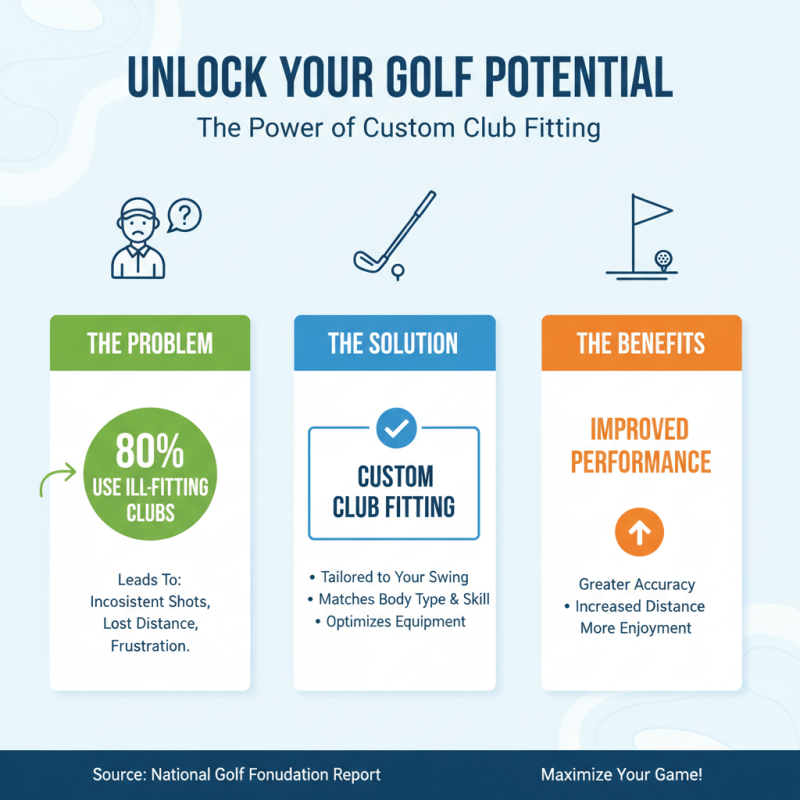
Club fitting is a critical element in the quest for better golf performance, as it ensures that each golfer maximizes their potential by using equipment tailored to their individual needs. According to a report from the National Golf Foundation, approximately 80% of golfers use clubs that do not fit them properly. This mismatch can lead to significant discrepancies in performance, such as inconsistencies in distance, accuracy, and overall enjoyment of the game. By understanding the intricacies of club fitting, golfers can select clubs that support their unique swing mechanics, body type, and skill level, which can lead to improved performance on the course.
The basic components of club fitting include assessing variables such as shaft length, grip size, lie angle, and clubhead design. A study by the PGA of America revealed that proper shaft flex could increase shot accuracy by up to 15%, highlighting the importance of customizing this aspect. Additionally, the right grip size can enhance control and reduce the risk of injury, ensuring golfers can play longer and more effectively. By investing time in understanding these fundamentals of club fitting, golfers can make informed decisions that ultimately lead to lower scores and a more satisfying experience on the links.
Key Factors Affecting Club Fitting Outcomes
When it comes to improving your golf game performance, club fitting plays a crucial role in optimizing your equipment to match your playing style. Several key factors significantly affect the outcome of club fitting, helping you achieve better accuracy, distance, and overall enjoyment on the course.
One critical factor is the length of the club. Clubs that are too long or too short can negatively impact your stance and swing mechanics, leading to inconsistent shots. An ideal club length ensures that you maintain a natural posture during your swing, promoting better control and precision. **Tip: During a fitting session, consider trying different lengths to find what feels most comfortable, as this can drastically improve your performance.**
Another important factor is the shaft flex, which affects how much a club bends during the swing. Different players have varying swing speeds; hence, a properly matched shaft flex can enhance energy transfer to the ball, resulting in optimal distance and accuracy. **Tip: Pay attention to how the club feels during your swing. If it feels too stiff or too flexible, discuss potential adjustments with your fitter.**
Lastly, the grip size is essential for maintaining control and preventing swing flaws. A grip that is too large or too small can lead to tension in your hands and arms, affecting your performance. **Tip: When testing grips, focus on achieving a relaxed hold that still allows for proper control of the clubface.**
Key Factors Affecting Club Fitting Outcomes
This chart illustrates the impact of various factors on club fitting outcomes, showcasing how they contribute to improving performance in golf. The data represents the average percentage influence of each factor based on surveys conducted with golfers and fitters.
How Club Fitting Enhances Swing Mechanics
Club fitting plays a pivotal role in optimizing an individual golfer’s swing mechanics, significantly impacting their overall performance. Research from the Professional Golfers Association (PGA) indicates that around 70% of golfers admit to playing with ill-fitted clubs, which can lead to inefficient swings and hindered performance. When clubs are precisely tailored to a player's body type, swing style, and strength, it enables a more consistent and powerful strike of the ball. For instance, using clubs that are the right length can help maintain a correct posture, ultimately leading to improved swing path and better contact with the ball.
Moreover, data from the Golf Digest explains that proper club fitting can enhance a golfer's launch angle and ball speed. A study showed that golfers who underwent a fitting session experienced an average increase of 10-15 yards in driving distance, directly attributing this to improved swing mechanics. The adjustment of club specifications—like shaft flex and grip size—not only aids in achieving optimal angles during the swing but also minimizes the risk of injury by promoting more natural body movements. Ultimately, effective club fitting shapes a golfer's swing, providing tailored solutions that cater to their unique style, resulting in increased confidence and improved performance on the course.
Why Club Fitting is Essential for Improving Your Golf Game Performance - How Club Fitting Enhances Swing Mechanics
| Dimension |
Impact on Performance |
Example Improvement |
| Club Length |
Improves swing path |
More accurate shots |
| Lie Angle |
Enhances ground contact |
Better ball trajectory |
| Grip Size |
Affects hand positioning |
Improved control |
| Shaft Flexibility |
Changes swing speed |
Increased distance |
| Club Weight |
Influences swing rhythm |
Consistent shots |
The Long-term Benefits of Regular Club Fitting Sessions
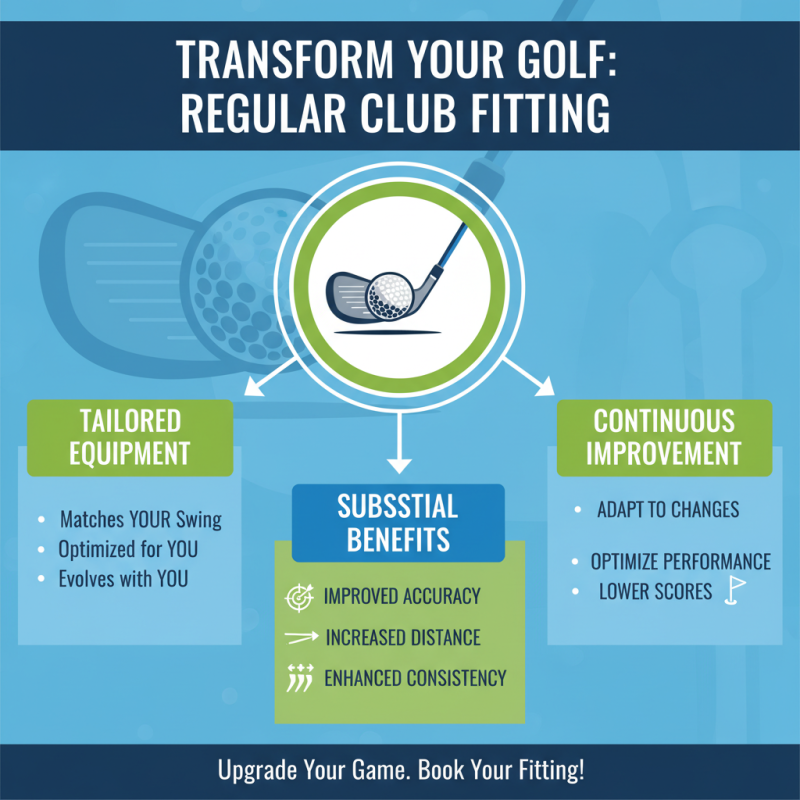
Regular club fitting sessions can transform your golf game by providing a tailored approach to equipment that aligns with your unique playing style. Over time, the benefits can be substantial, as personalized fittings ensure that your clubs are optimized for your swing characteristics. Improved accuracy, increased distance, and enhanced consistency are just a few of the gains golfers can experience. As your skills evolve and preferences change, regularly updating your club setup allows you to adapt and continue improving.
Tips for maintaining an effective fitting routine include keeping track of your performance metrics to identify areas for enhancement, such as shot dispersion and distance. Communicate with your club fitter about any changes in your game, such as alterations in swing speed or technique. This dialogue will help ensure your equipment reflects your current capabilities. Schedule club fitting sessions at least once a year to stay aligned with your growth as a player and address any new challenges you encounter on the course.
By having your clubs fitted regularly, you also reduce the risk of injury caused by using improperly sized equipment. Staying comfortable with your gear improves your overall experience and keeps you engaged in the sport. Thus, embracing the process of frequent club fitting can lead to not only immediate performance improvements but also long-lasting benefits that elevate your game over time.








 Newsletter