What is Golf Play and How to Improve Your Skills?
Golf play is a timeless sport that combines physical skill and mental strategy. According to Jack Nicklaus, a legendary golfer, “Golf is a game of precision.” This precision is crucial in developing one's skills on the course. Every swing, putt, and approach can make a significant difference in the game.
Many players struggle with consistency in their golf play. Common challenges include poor grip, misalignment, and uneven swings. Reflecting on these issues is vital. Improvement often involves addressing weaknesses rather than just enhancing strengths. Paying attention to minor details can lead to substantial progress.
To truly excel, golfers must dedicate time to practice and self-assessment. Recording your swings can reveal habits you might not notice in the moment. Seek feedback from peers and coaches to identify areas for improvement. Golf play is not just about competition; it's a journey of personal growth and mastery.
What is Golf Play: Understanding the Fundamentals of the Game
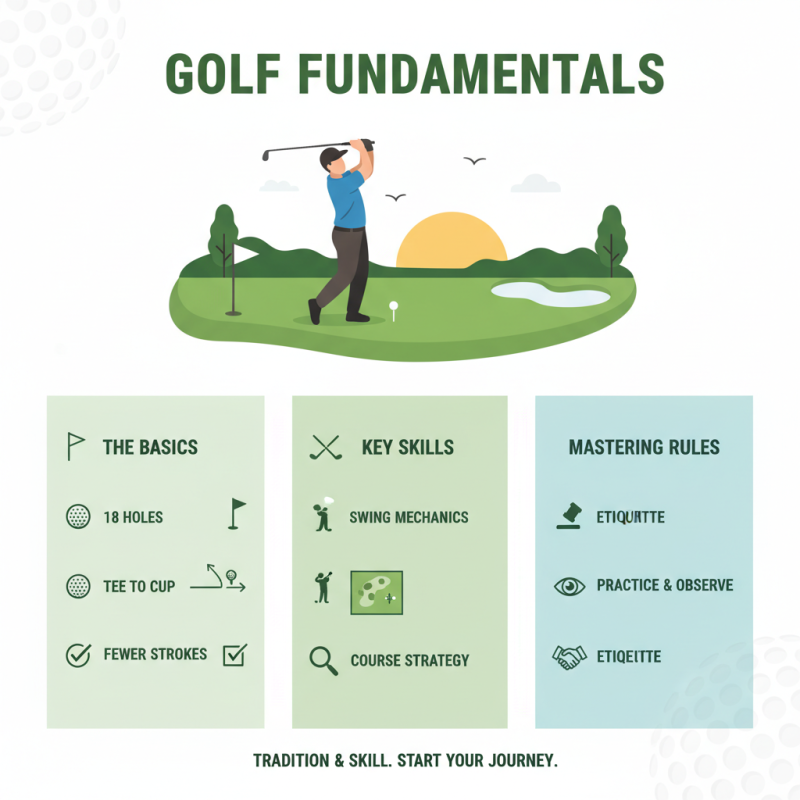
Golf is a game rich in tradition and skill. Understanding its fundamentals is vital for any aspiring player. The game is played on a course with 18 holes. Each hole requires players to hit a ball from a tee into a flag-marked hole. Players aim to finish each hole in as few strokes as possible. The rules may seem complex, but they can be grasped with practice and observation.
One key aspect of golf is the swing. A proper swing consists of several components: grip, stance, and follow-through. Many beginners struggle with their grip, often holding the club too tightly. A relaxed grip can lead to better control. Stance is important too. Feet should be shoulder-width apart for stability. Beginners often find it hard to maintain balance throughout their swing. This can lead to inconsistent shots.
Another vital element is course management. Players must learn to assess the course and make strategic decisions. Sometimes, it’s better to play conservatively rather than attempting risky shots. Many golfers, including seasoned ones, have difficulty managing their emotions during play. Frustration can cloud judgment and lead to poor choices. Reflecting on these challenges can greatly enhance one’s game.
The Importance of Skills in Golf: Key Components for Success
Golf relies heavily on specific skills that dictate success. Understanding these skills is crucial for improvement. Key components include your swing, putting accuracy, and course management. Each skill requires dedicated practice and reflection.
Tips: Focus on your grip. A proper grip can significantly affect your swing. Experiment with different styles to find what feels comfortable. Pay attention to your stance, too. An incorrect stance can lead to repeated mistakes.
Regular practice is vital. Spend time on the driving range. Work on your swing mechanics. Yet, don’t forget about putting. Many golfers often neglect this area. Even a small adjustment can enhance your accuracy.
Evaluate your game frequently. Record your scores and analyze your rounds. Identify weak spots. Maybe your approach shots need work. Above all, stay patient. Golf is a journey, not a destination. Embrace the challenges. They offer opportunities for growth.
Statistical Analysis in Golf: Understanding Common Metrics and Averages
Statistical analysis is vital in golf. It helps players understand their performance and identify areas for improvement. A common metric is driving accuracy. According to the PGA Tour, an average golfer hits about 60% of fairways. Higher accuracy often leads to lower scores. Players should focus on hitting more fairways to gain an advantage.
Another essential metric is the average number of putts per round. Data shows that professionals average around 28 putts. Recreational players often have 34 or more putts. This gap highlights the importance of putting practice. Players frequently underestimate the effect of short game skills on overall performance.
Lastly, strokes gained is a crucial statistic. It measures how a player performs against the field. For example, a golfer with +1.5 strokes gained means they score better than most. However, many players overlook this stat. They fail to analyze their rounds critically. Tracking such metrics can transform practice and yield significant results.
Performance Metrics in Golf: Driving Distance vs. Putting Average
The following chart illustrates the relationship between driving distance and putting average among amateur golfers. This data helps to understand the performance trends within the game of golf, highlighting areas for potential improvement in skills.
Techniques to Improve Your Golf Game: Practical Tips for All Levels
Improving your golf game takes dedication and practice. Many golfers focus on swing mechanics, yet they often neglect short game skills. Statistically, about 60% of strokes in a round come from around the green. Spending time on chipping and putting can lead to significant score improvements.
Practicing regularly with specific drills is essential. For instance, using alignment sticks can help with aiming and body positioning. Studies show that golfers who work on their putting for just 30 minutes a week see notable improvements. Short drills can maintain engagement and prevent boredom. Sometimes, keeping it simple is more effective than complex routines.
Reflection is key in golf. Many players hit the course without analyzing their last game. This lack of introspection can hinder progress. Reviewing your rounds and identifying weaknesses can lead to targeted practice. Making adjustments based on specific areas of difficulty will create a more effective improvement plan. Consider keeping a journal to track your progress and thoughts.
The Role of Mental Game in Golf: Enhancing Focus and Confidence
In golf, the mental game is crucial. Focus and confidence can make or break a round. Visualizing successful shots helps build this focus. Imagine standing on the tee. You picture the perfect swing and the ball soaring down the fairway. This kind of mental rehearsal can enhance your performance.
However, maintaining focus is challenging. Distractions lurk everywhere on the course. Maybe it’s the noise from other players or an unexpected gust of wind. Recognizing these distractions is the first step. Take a deep breath and refocus on your next shot. Confidence also plays a significant role. When doubt creeps in, it can undermine your game. Reflect on past successes, no matter how small. This can help rebuild your confidence, allowing you to tackle each hole with a positive mind.
Practicing mindfulness is another effective method. Spend a few moments before each shot to clear your mind. Focus solely on your breathing or the feel of the club in your hands. These practices require discipline and patience. Sometimes you may find your mind wandering. That’s okay; the key is to keep refining this skill. With time, you can learn to harness your mental strength on the golf course.












 Newsletter