What Are Mini Dresses and What Styles Are Available?
Mini Dresses are garments with hemlines that sit well above the knee, though exact lengths vary by cut, wearer, and styling. That small difference matters. A straight shift can feel crisp and easy, while a fitted bodycon silhouette creates a more defined shape. A-line, wrap, and shirt-dress designs offer other proportions, and sleeves, necklines, fabric, and hem details change the overall effect. There is no single fit that works for everyone.
This guide explains what defines a mini dress and how common styles differ in shape, structure, and use. It considers practical details too: how cotton feels on a warm day, why a lined fabric may feel more secure, and how shoes or a jacket can alter an outfit’s balance. For example, a relaxed shirt dress with sneakers reads differently from a tailored mini with boots. Small choices count. Occasion, comfort, movement, and personal preference are useful starting points when choosing a style. Size charts and garment measurements can help, but they cannot fully predict how a dress will sit on an individual body. That part takes trying it on—and sometimes changing your mind. The aim is not to prescribe one “right” look, but to make the options easier to compare and style with confidence.
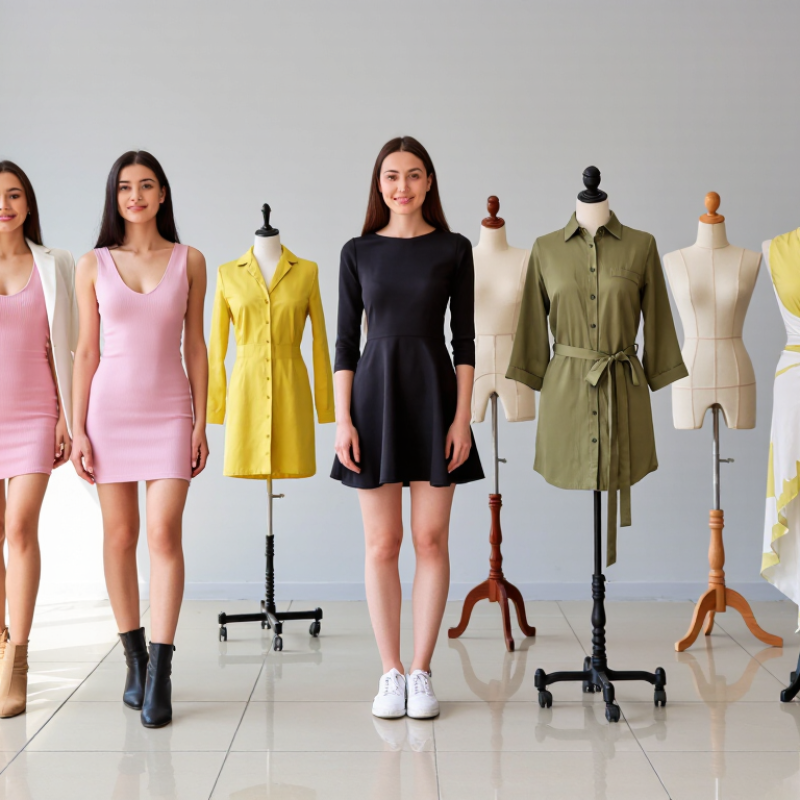
What Defines a Mini Dress
A mini dress is generally understood as a dress with a hem ending above the knee. There is no single worldwide measurement that defines its exact length. A petite wearer may find a 78-centimeter dress lands mid-thigh, while the same garment sits differently on a taller frame. The cut matters, too. A straight skirt can appear shorter than a flared one, even when both share the same measured length.
Fit and proportion help distinguish styles more reliably than the label alone. Shift, wrap, A-line, and body-skimming shapes can all be mini dresses. Check the garment’s listed length against your own shoulder-to-hem measurement. Then consider where you want the hem to fall when sitting or walking. The National Retail Federation’s 2024 retail returns report estimated that 16.9% of U.S. retail sales would be returned. That figure covers retail broadly, not dresses specifically, but it underlines why checking measurements matters.
Tips: Compare the product length with a dress you already own. Sit down in it, too; a hem that looks balanced while standing may ride higher than expected. Try a small step or a quick walk. Practical checks beat relying on a size label alone.
How Mini Dresses Are Shaped by Length, Fit, and Proportion
A mini dress is defined by its hemline, but there is no single measurement that suits every wearer. The hem often falls above the knee, and a few inches can change how a dress feels when walking or sitting. Check the length while standing and seated. Small detail, real difference.
Fit shapes the dress just as much as length. A straight shift skims the body, while an A-line skirt adds room through the hips. Body-conscious cuts follow the waist and seat, so fabric stretch and lining matter for comfort. If a dress pulls across the hips or rides up with movement, the fit may be too restrictive, even if the size label seems right.
Proportion brings the pieces together. A defined waist can balance a fuller skirt, while a simple, close-fitting shape can keep a short hem from feeling visually busy. Sleeve volume, neckline, and shoe height also affect the overall line. For example, a boxy jacket can make a fitted mini feel more structured; a long, loose layer may overwhelm a petite frame. These are useful starting points, not rules. I still find that a mirror check from the side catches proportions I miss from the front.
Common Fabrics and Details Used in Mini Dresses
Mini dresses usually end above the knee, but their fabrics shape how they move, feel, and hold their outline. Cotton poplin feels crisp and breathable, making it useful for warm days and simple shirt-dress cuts. Jersey stretches easily and follows the body, though thin jersey may cling or reveal seams under bright light. Linen blends bring a dry, airy texture. They wrinkle quickly. That is not always a flaw.
For a smoother, dressier look, satin or crepe can create fluid drape without adding much bulk. Satin catches light, so seam placement and lining matter; a poorly supported skirt may twist while walking. Denim and twill give mini dresses more structure, especially in A-line or pinafore shapes. Check the weight: heavy fabric can feel stiff at the hips, while very light cloth may lose its shape after sitting. Fabric labels help, but touch and movement tell you more.
Details often decide whether a mini feels practical. A lining reduces transparency and friction; pockets need enough depth to hold keys without pulling the skirt sideways. Adjustable straps, elastic panels, and back zippers affect fit around the shoulders and waist. Pleats add swing, while darts and princess seams create a closer shape. Try sitting and taking a few steps before choosing. It sounds obvious, yet many people judge a dress only while standing. Care instructions also matter: delicate finishes may need gentler washing, and shrink-prone fibers deserve a little caution.
Popular Mini Dress Styles and Their Distinctive Features
A mini dress usually ends above the knee, but its shape changes how it feels and moves. An A-line mini skims the waist and flares gently, leaving room for walking. A bodycon style fits close to the body; stretchy fabric can make sitting more comfortable. Shift dresses hang straighter, while wrap minis use an adjustable tie to define the waist. Slip and shirt-dress styles bring softer or more tailored details. Small differences matter: a stiff hem can ride up, and a loose sleeve can balance a fitted skirt.
The McKinsey and Business of Fashion State of Fashion 2024 report projected global fashion sales growth of 2 to 4 percent that year. That broad forecast does not measure mini dresses specifically, but it reminds shoppers that trends sit within a changing market. Style is personal, too. A very short cut may look striking on a hanger and feel less practical on stairs.
Tips: Check the hem while sitting and walking. Look for lining, secure closures, and fabric that lets you move. For a more versatile outfit, pair a printed mini with simple shoes, or layer a shirt dress over fitted shorts. Small detail, big difference.
How Mini Dresses Suit Different Occasions and Settings
A mini dress usually ends above the knee, but its shape can change how it feels in a setting. A fitted knit style works for casual dinners or errands when paired with flat shoes and a light jacket. A loose A-line dress gives more room to move at daytime gatherings. For a garden party, breathable cotton and a modest sleeve can feel more comfortable than heavy fabric. Small details matter. Check the hem when sitting, not only when standing.
For evening events, a structured mini dress with sleeves or a higher neckline can look polished without feeling overly formal. A simple shift style may suit a gallery visit, while a wrap shape can adjust gently through the waist. At work, dress codes vary, so consider the setting: a longer blazer, opaque tights, and restrained accessories may make a short hem feel more balanced. Still, layering is not a fix for every dress. If you keep tugging at the hem or feel exposed when moving, another length may serve you better. Weather matters, too; a breezy outdoor venue can make a lightweight skirt less practical than it first appears.





 Newsletter