Top Tips for Improving Your Golf Putting Skills?
Improving your golf putting skills can transform your game. Renowned golf coach Hank Haney emphasizes, "Putting is about confidence and feel." This highlights how mental aspects play a crucial role in golf putting, alongside technical skills.
Many golfers struggle with consistency on the green. They often underestimate the importance of grip and stance. Failing to focus on alignment can lead to missed opportunities. A slight adjustment could make a significant difference in your putting performance.
For those seeking to refine their golf putting, practice becomes essential. Regular drills build muscle memory and enhance confidence. Reflect on each stroke, analyze your technique, and be open to adjustments. Improvement doesn’t happen overnight, but with effort, you can become a more proficient putter.
Understanding the Basics of Golf Putting Techniques
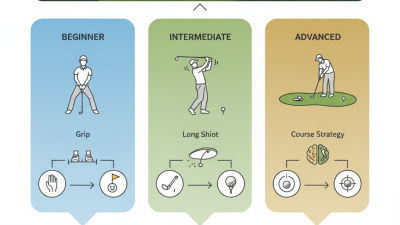
Mastering the art of putting is crucial for any golfer. The basics of golf putting technique include grip, stance, alignment, and the stroke. Start with a comfortable grip. Hold the putter lightly. Avoid tension in your hands. Next, your stance should be shoulder-width apart. This offers stability.
Check your alignment. Your body should face the target. Use a line on the ball or the putter for guidance. When stroking, focus on a smooth, pendulum motion. The backstroke should be equal in length to the follow-through. This balance helps with distance control.
Practicing regularly on the green is vital. Aim for different lengths and slopes. Be patient with your progress. Analyze missed putts. Was it alignment or pace? Reflecting on these experiences can enhance your skills. Remember, even seasoned pros miss. Embrace the learning journey.
Top Tips for Improving Your Golf Putting Skills
Establishing a Consistent Setup and Stance
Establishing a consistent setup and stance is crucial for improving your golf putting skills. Start by ensuring your feet are shoulder-width apart. This provides stability and balance. Your weight should be evenly distributed. You’ll feel more grounded and confident. Pay attention to your posture; a slight bend at your hips can help align your body. Keep your arms relaxed and extended toward the ball.
Practice aligning your eyes directly over the ball. This helps with aiming. Check your grip; it should be firm yet relaxed. Experiment with different grips until you find what feels right. A common mistake is adjusting your stance under pressure. It can lead to inconsistencies. Trusting your setup takes time and practice. Reflect on how your stance influences your putting. A consistent routine helps build muscle memory.
Consider practicing with your eyes closed. This can enhance your feel for the putt. It may feel awkward at first, but it reveals how much you rely on visual cues. Remember, a strong setup is only part of the equation. Explore different setups to find what works best for you. Being flexible will help you adjust during a game. Each round teaches something new. Embrace the process and keep refining your skills.
Practicing Effective Alignment and Targeting Methods
Effective alignment and targeting are crucial for improving your putting skills. Start by ensuring your feet, knees, and shoulders are parallel to your target line. This positioning sets the foundation for a consistent stroke. Use a simple alignment aid, such as a club or a stick on the ground, to help visualize the correct path. Finding your proper stance will boost your confidence on the greens.
When focusing on targeting, aim for a specific spot on the hole. Not just the hole itself, but a mark just in front of it. This technique creates a clear visual target. It encourages a more relaxed stroke and helps eliminate any tension. Pay close attention to your distance control as well. Striking the ball too hard or too soft can easily lead to missed putts, so practice your touch.
Reflecting on your progress is essential. Review your stance and alignment regularly. Even minor adjustments can lead to significant improvements. It’s okay to struggle at times. Every golfer faces challenges in perfecting their putting. Learn from them, and be patient with your development. Remember, consistency takes practice and reflection.
Developing a Reliable Stroke and Follow-Through
Mastering your putting stroke is crucial for lowering your golf scores. A reliable stroke relies on
practice and focus. Pay attention to your stance and grip. They should feel comfortable yet controlled.
When you line up your shot, visualize the ball's path. This will help you develop muscle memory,
making it easier to repeat your stroke.
One helpful tip is to practice with a smooth follow-through. After hitting the ball, let your club
continue its path toward the target. This helps in maintaining your balance.
Consider using a mirror during practice. It can offer instant feedback on your technique. Don't be afraid
to reflect on your stroke; it’s a key part of your growth.
Regularly assess your putting technique. Are you standing too close or too far from the ball? Small adjustments
can make a big difference. Incorporating drills that emphasize both your stroke and follow-through can build consistency.
Remember, every golfer has room for improvement. Embrace the process and stay committed.
Utilizing Mental Strategies for Enhanced Focus and Confidence
When it comes to golf putting, mental strategies play a vital role.
Focusing your mind helps eliminate distractions. Visualize the ball rolling into the hole. Picture the path it will take.
This simple technique builds confidence during your game.
Breathing exercises can also boost your concentration. Inhale deeply before each putt. It settles nerves and will enhance your focus.
Stay aware of your posture. Good alignment fosters not only physical but mental stability. Reflect on your past putting mistakes
but don't dwell on them excessively. Learn from them but focus on the present moment.
Confidence is built through repetition. Practice daily with a positive mindset.
Record your progress to see improvements over time. This allows you to track growth. Don't hesitate to ask for feedback from fellow golfers.
Outside perspectives often provide insights you may overlook. Engage in visualization routines,
but remember: trust comes from experience. Mistakes are part of the learning process. Embrace them as stepping stones to mastery.










 Newsletter