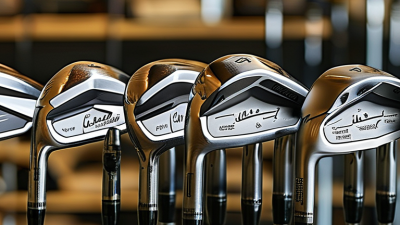




China’s golf play equipment market has grown beyond simple product sourcing. Suppliers now provide driving nets, putting mats, artificial turf, simulator enclosures, training aids, and complete practice systems. For buyers, the challenge is not finding attractive catalogs. It is verifying consistent quality, safe materials, accurate specifications, and dependable after-sales support.
Arnold Palmer once said, “Golf is deceptively simple and endlessly complicated.” His words remain relevant to equipment selection. A putting surface may look smooth under showroom lighting, yet perform differently after months of use. A practice net may appear strong, but weak stitching can become a costly failure. This guide examines ten China-based golf play equipment suppliers through practical criteria, including manufacturing experience, product range, customization capability, factory controls, certifications, export history, and delivery performance.
The list is not a final verdict. Supplier rankings can change with project size, region, budget, and technical requirements. That deserves honest attention. A company suitable for a hotel may not fit a professional academy. Buyers should request samples, inspect material thickness, confirm testing documents, and clarify installation responsibilities before signing contracts. Small details matter, such as turf density, frame coating, net tension, packaging protection, and replacement-part availability.
Some suppliers may excel in product design. Others may compete through faster production or flexible private labeling. The strongest choice depends on evidence, not impressive claims. This introduction prepares readers to compare China’s leading golf play equipment suppliers with greater confidence and fewer expensive surprises.
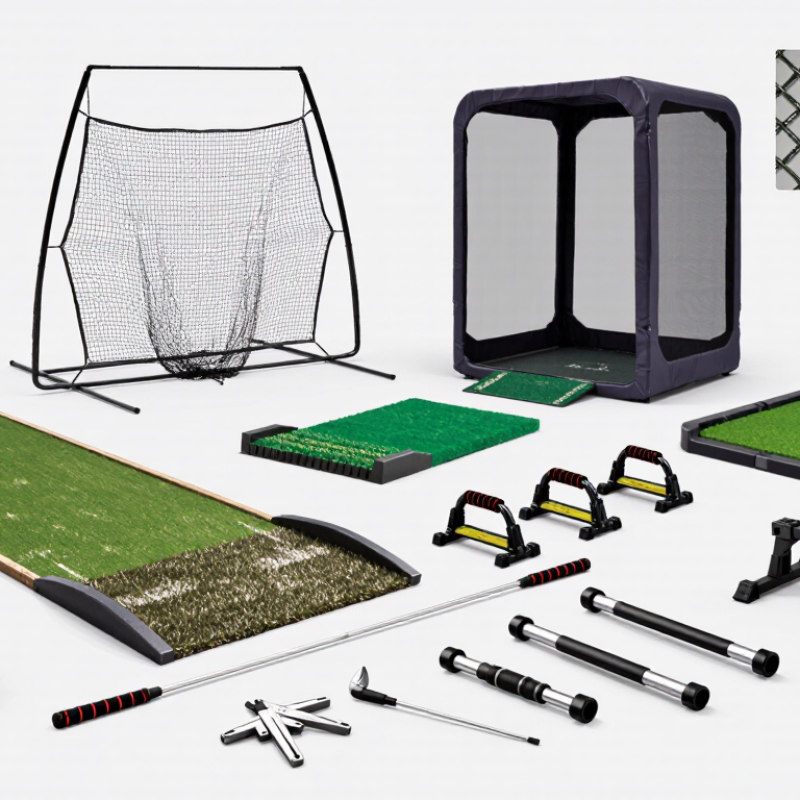
A golf play equipment supplier in China is more than a factory with attractive product photos. The supplier should understand course layout, player safety, weather exposure, and installation limits. In practical sourcing work, I check production samples before reviewing price lists. A sample reveals much.
Reliable suppliers use stable materials, accurate dimensions, and tested surface finishes. For outdoor mini-golf equipment, UV resistance and drainage matter. For indoor units, edge protection and odor control deserve attention. Suppliers should provide material details, load tests, inspection records, and clear maintenance instructions. Documents matter. So does consistency.
A capable supplier can adjust obstacles, colors, sizes, and packing methods for different venues. Engineers should review drawings instead of accepting every request blindly. That interaction shows real technical knowledge. Production control also needs visible checkpoints, including welding inspection, coating checks, and final assembly testing. Independent quality inspections can reduce uncertainty.
Communication is another defining feature. A dependable team confirms lead times, replacement parts, packaging strength, and installation support in writing. I would not judge reliability from one successful order. Delays, small scratches, or unclear manuals may appear later. No supplier is perfect. The better question is whether the supplier responds honestly and improves its process. That evidence often separates a genuine equipment partner from a temporary trading contact.
Evaluating China’s golf equipment manufacturers requires more than comparing online catalogs. A polished website proves little. During factory visits, inspect how shafts, clubheads, grips, bags, and training aids move through production. Ask to see incoming-material records, machining areas, assembly stations, and final inspection tables. Look for clean storage, labeled batches, and workers who can explain tolerance limits. Small details reveal process discipline. Details matter.
Request samples made to your exact specifications, not only standard stock. Measure loft, lie, swing weight, grip size, stitching, and surface finish. Test several units from different production batches. One good sample can mislead. Ask for material certificates, test reports, quality-control procedures, and corrective-action records. Reliable manufacturers should explain what happens when a product fails inspection. Their answers matter more than impressive equipment.
Production capacity must match your order pattern. Confirm minimum order quantities, tooling ownership, lead times, packaging tests, and replacement policies in writing. Check whether the factory can trace each shipment to a production batch. Export experience helps, but verify it through references and consistent documents. Communication also deserves a practical test. Send a technical drawing with deliberate details and review the response. I have learned that fast replies are not always accurate. A slower engineer who asks precise questions may protect your design better. Price still matters, but unexplained discounts can hide thinner materials, weaker inspection, or unstable scheduling. Use an independent pre-shipment inspection for significant orders. It is not perfect, yet it reduces avoidable surprises.
China’s Top 10 Golf Play Equipment Suppliers are gaining attention for practical design, flexible production, and competitive manufacturing costs. These suppliers commonly produce golf hitting nets, practice mats, putting platforms, ball trays, training targets, and compact backyard equipment. Their factories often support custom dimensions, private packaging, and small trial orders. This flexibility helps distributors test new products before making larger commitments.
A reliable supplier should provide material specifications, load-testing records, product drawings, and clear inspection procedures. For example, a practice mat should resist curling after repeated use, while a hitting net needs reinforced seams and stable ground anchors. I would also examine drainage holes, UV resistance, foam density, and replacement-part availability. Details matter. Factory visits or live video inspections can reveal storage conditions, stitching quality, and production discipline more clearly than attractive catalog images.
The strongest ten suppliers are not always the cheapest. They usually maintain consistent quality across samples and bulk orders, communicate realistic lead times, and understand international packaging requirements. However, rankings can change because factory capacity, material costs, and export experience develop quickly. One weakness remains common: some suppliers describe durability without publishing long-term test data. Buyers should request independent inspections, approve a sealed sample, and confirm warranty terms in writing. A careful purchasing process turns a promising supplier into a dependable business partner.
This chart presents internationally recognized golf equipment specification benchmarks used when evaluating product quality and supplier capabilities. The figures are equipment standards and limits, not company-level rankings or brand data.
Reference: Rules of Golf equipment specifications published by The R&A and USGA. Values use the units shown in each category and are not intended for direct cross-unit comparison.
China’s leading golf equipment suppliers typically cover clubs, balls, bags, gloves, carts, practice nets, and simulator systems. Many also provide OEM and ODM production for overseas distributors. The R&A’s Golf Around the World 2023 report recorded 66.6 million adult golfers across 206 countries and territories. That wider market increases demand for dependable equipment, not only low prices. Strong suppliers usually maintain material inspection, swing testing, packaging checks, and batch traceability. Some offer adjustable club specifications, custom colors, private labeling, and small trial orders. Useful details matter, such as shaft flexibility, grip size, battery range, and net impact strength.
Service depth often separates experienced manufacturers from simple trading companies. Better suppliers provide CAD drawings, prototype samples, product testing, export documentation, spare parts, and remote installation guidance. Simulator suppliers may integrate launch monitors, hitting mats, projectors, software, and room calibration.
Course-equipment suppliers can add maintenance carts, hole cutters, ball washers, and turf tools. The Golf Datatech retail report shows that equipment demand changes by category and season, so flexible production planning remains important. However, certifications alone do not prove consistent quality. Buyers should inspect factory records, test samples independently, and confirm replacement policies. A polished catalog can still hide weak after-sales support. Supplier evaluation is imperfect, but documented evidence reduces costly surprises.
Choosing a Chinese golf equipment supplier requires more than comparing catalog prices.
The R&A’s Global Golf Participation Report 2023 recorded over 66 million golfers across surveyed markets outside the United States. That expanding demand increases pressure on quality, delivery, and customization.
Ask for factory ownership details, production capacity, inspection procedures, and recent export records.
A supplier should provide material specifications, tolerance data, and test results for clubs, shafts, grips, or training equipment. ISO 9001 certification is useful, but it does not replace an independent factory audit.
Request a sample from normal production, not a specially prepared prototype. Small details matter, such as grip alignment, paint edges, packaging strength, and serial traceability.
Check whether the supplier can meet your destination’s labeling, chemical, safety, and environmental requirements.
The World Bank’s Logistics Performance Index 2023 placed China among the stronger global logistics performers, yet factory location still affects inland transport and shipping time. Confirm lead times in writing.
Ask how defects are handled, and review the corrective-action process. A low quote may exclude testing, tooling, packaging, or replacement costs.
Do not rely on polished communication alone.
It can mislead. Compare at least three suppliers using the same specification sheet and payment terms. A video audit helps, but it is not conclusive.
Independent pre-shipment inspection remains worthwhile, especially for large orders. Some suppliers may promise every feature; that should invite more questions, not immediate trust.
Newsletter SignupUpcoming events, promo offers, member exclusives and more.
Golf Fanatics is a Chrysalis Enterprises Company owned by a group of like-minded individuals who share a common passion and affinity for golf, investing in successful Small-Medium-Enterprises, creating rewarding employment opportunities and being good industry participants and corporate citizens.
Monday
Tuesday
Wednesday
Thursday
Friday
Saturday
Sunday
9 a.m. – 10 p.m.
8 a.m. – 10 p.m.
8 a.m. – 10 p.m.
8 a.m. – 10 p.m.
8 a.m. – 11 p.m.
8 a.m. – 11 p.m.
8 a.m. – 9 p.m.
Copyright © 2025 · Golf Fanatics is a division of Chrysalis Golf Ventures Inc.
7100 15th St SE, Calgary AB
This site is protected by reCAPTCHA and the Google Privacy Policy and Terms of Service apply.

Need help? Call our support 24/7

Just a few things before you book…
While Toptracer Range technology and our automated ball dispensers are 99% reliable, there are rare instances when they do not function properly, especially during periods of inclement weather.
Please note that we do not guarantee the reliability of these services during any booking and will not provide you with a refund or credit if they do not function properly during your booking, therefore booking our services is fully at your discretion.
By booking our services, you acknowledge full responsibility for the cost of any intentional or unintentional damages to any Golf Fanatics or neighboring property and equipment caused by you or your guests during your booking.
You and your guests hereby agree to indemnify Golf Fanatics from any liabilities associated with any personal injury incurred by you or your guests during your booking.