



What Are China Top Golf Entertainment Suppliers?

China has become a major sourcing hub for golf entertainment equipment and venue solutions. Its suppliers serve indoor simulators, putting greens, driving ranges, mini-golf attractions, and interactive training spaces. However, “top” does not always mean the largest factory. It may describe stronger engineering, dependable production, better software, or more responsive support.

This guide examines leading Chinese suppliers through practical purchasing criteria. These include manufacturing experience, product customization, simulation accuracy, material quality, installation capacity, and after-sales service. A reliable supplier should provide clear specifications, test reports, warranty terms, and reference projects. Factory visits, sample reviews, and live demonstrations can reveal details that brochures often miss. Small things matter, such as sensor response, projector brightness, turf recovery, and replacement-part availability.

The market is not perfectly transparent. Some company claims require careful verification. Buyers should compare certifications, export records, software compatibility, and customer feedback before making decisions. Price alone can be misleading. A low quotation may exclude shipping, installation, training, or future updates. That creates avoidable costs later.

This overview will help venue owners, distributors, investors, and sports operators understand China’s supplier landscape. It focuses on practical evidence rather than promotional language. The goal is not to declare one universal winner. Every project has different space, budget, audience, and operating needs. A premium simulator may suit a hotel lounge, while durable mini-golf equipment may better fit a family entertainment center. Good decisions require both technical judgment and honest comparison. Mistakes still happen. Careful planning reduces them.
What Are China Top Golf Entertainment Suppliers?

Definition and Scope of Golf Entertainment Suppliers in China

What Are China Top Golf Entertainment Suppliers?

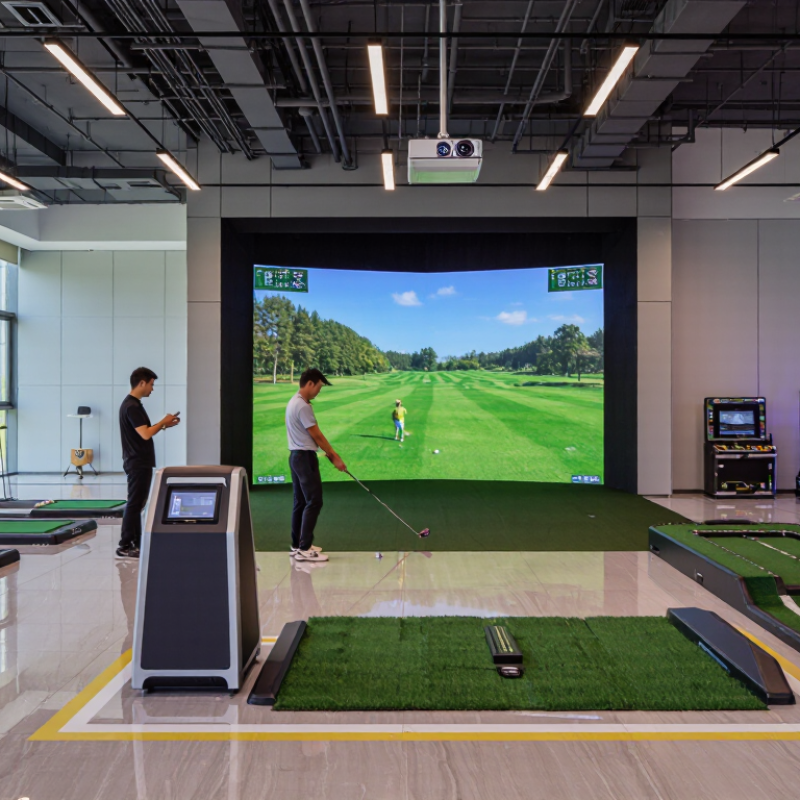
Golf entertainment suppliers in China are companies that design, manufacture, or integrate equipment for interactive golf experiences. Their scope extends beyond traditional clubs and balls. It may include indoor simulators, projection systems, launch monitors, hitting bays, putting games, booking software, and venue support.

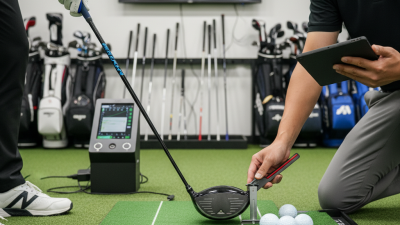
A reliable supplier should explain measurement accuracy, installation requirements, maintenance procedures, and data security clearly. In practical evaluations, buyers should inspect sensor placement, screen brightness, floor durability, and noise levels. A crowded entertainment venue needs stable systems, not only attractive demonstrations. Service coverage also matters, especially when replacement parts must travel between cities. Quality varies. Marketing claims can sound stronger than field performance.

Tips: Ask for technical documents and a live demonstration. Test several swing speeds and lighting conditions. Check calibration records, warranty terms, training plans, and response times. Request references from comparable venues, such as family centers or commercial driving ranges. Keep a written checklist. It reduces rushed decisions, although it cannot remove every risk. Suppliers with transparent limitations often deserve closer attention than those promising perfect results.

Key Products and Services Offered by Chinese Golf Entertainment Companies

Chinese golf entertainment companies offer more than clubs and practice balls. Their product ranges often include indoor golf simulators, launch monitors, putting systems, driving-range equipment, and compact mini-golf installations. Some suppliers also produce artificial turf, ball-collection machines, lighting systems, and protective netting for commercial venues.

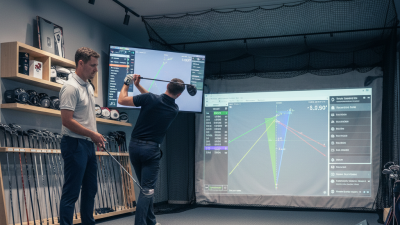
The service side is equally important. Many companies provide venue planning, 3D layout design, installation, equipment calibration, and staff training. They may also develop scoring software, membership systems, booking tools, and interactive game modes for family entertainment centers. In a well-designed simulator room, a player can adjust club selection, view shot data, and replay a swing within seconds. Clear manuals matter.

Commercial buyers should request factory inspection records, testing reports, warranty terms, and spare-parts lists. Reliable suppliers usually explain sensor accuracy, software updates, installation conditions, and expected maintenance intervals. After-sales support can include remote diagnostics and technician visits. However, product quality is not always consistent across every supplier. Some interfaces feel unfinished, and translated manuals may need careful review. Buyers should test equipment with different swing speeds and lighting conditions before signing a large order. That practical step often reveals weaknesses hidden in product brochures.

Leading Supplier Categories and Their Market Roles

China’s golf entertainment supply market is shaped by several supplier categories, each serving a different operating need.

Equipment manufacturers provide clubs, balls, mats, nets, and compact practice systems. Their role is consistency: stable materials, repeatable specifications, and replacement parts for busy venues.

Course construction suppliers handle artificial turf, lighting, drainage, landscaping, and safety barriers. Field inspections often show that installation quality matters more than an attractive product sheet. Small errors in slope or drainage can create daily maintenance costs. Good suppliers provide drawings, sample panels, testing records, and clear after-sales procedures.

Simulator and digital-technology suppliers support indoor entertainment centers, training rooms, and family leisure venues. They may supply launch monitors, screens, sensors, software, booking tools, and service contracts.

Their market role is engagement, especially where land or weather limits outdoor play. However, software updates, calibration, and local technical support deserve careful review. A low purchase price can become expensive when a sensor fails during peak hours.

Accessory and apparel suppliers serve both players and venue retailers. They compete through product range, customization, packaging, and delivery speed.

Facility operators and project integrators form another important category. They connect equipment, interior design, coaching services, payment systems, and daily operations. This coordination can shorten opening schedules, but it can also reduce buyer control.

Contract terms should identify ownership, warranties, maintenance response times, and staff training. Trade directories are useful starting points, not final evidence.

Buyers should request factory videos, independent test documents, and references from comparable venues. Some suppliers communicate confidently but explain specifications poorly. That gap deserves attention. Reliable decisions usually come from comparing samples, service capacity, and total operating costs over time.

How to Evaluate China’s Golf Entertainment Suppliers

What Are China Top Golf Entertainment Suppliers?

How to Evaluate China’s Golf Entertainment Suppliers

Evaluating China’s golf entertainment suppliers requires more than comparing catalog prices. The R&A’s 2023 Global Golf Participation Report recorded 66.6 million golfers worldwide, showing strong demand for accessible golf experiences. However, participation data does not prove supplier quality. Buyers should inspect ball-tracking accuracy, hitting-bay durability, software response time, and installation records.

Request a live demonstration with different swing speeds and lighting conditions. Ask for test reports, component specifications, warranty terms, and replacement-part lead times. ISO 9001 certification can support process reliability, but it cannot replace factory inspections. A polished showroom can hide weak engineering. Check production samples, wiring protection, screen brightness, and noise levels. These details matter when equipment operates for ten hours daily.

The National Golf Foundation reported 48.1 million Americans participated in golf on or off the course in 2023. That growth supports entertainment venues, but customer expectations are also rising. Suppliers should explain multiplayer functions, payment integration, data security, and local technical support. Verify software updates before signing a contract. Ask who responds when sensors fail on a busy weekend. Some suppliers offer impressive demonstrations but vague service commitments. That is a warning. I would also compare total ownership costs, not only the initial quotation, because cheaper equipment may create higher maintenance expenses.

How to Evaluate China’s Golf Entertainment Suppliers

This procurement framework uses a 100-point weighting model for comparing golf entertainment suppliers in China. Compliance and product safety receive the highest weight, followed by after-sales support, customization, delivery capability, technology integration, total cost of ownership, and sustainability. The framework is supplier-neutral and does not use company or brand data.

Sourcing Process, Compliance, and Partnership Considerations

What Are China Top Golf Entertainment Suppliers?

China’s golf entertainment supply base includes simulator rooms, driving-range systems, putting equipment, control software, and venue furniture. The sourcing process should begin with a clear specification, not a factory shortlist. Define bay dimensions, climate conditions, sensor accuracy, screen durability, maintenance access, and expected daily usage. The National Golf Foundation reported 47.2 million U.S. golf participants in 2023, including off-course players. This supports demand for compact, technology-led entertainment venues. Still, demand data does not guarantee supplier quality.

Request sample units, test reports, production photos, and references from comparable venues. Verify factory ownership and subcontracting controls. A spreadsheet can still mislead. Check whether quoted prices include calibration, installation, spare sensors, software updates, and export packaging. The R&A’s Global Golf Participation report recorded 66.6 million on-course golfers across 206 countries, showing the need for adaptable equipment. Compliance checks should cover electrical safety, radio equipment rules, data protection, product labeling, and local building requirements. Ask for certificates that match the exact model, not a similar product. Partnerships work better when response times, warranty limits, replacement parts, training, and payment milestones are written clearly. Trial orders reduce risk, although they can hide long-term service problems. Monthly performance reviews and documented corrective actions create stronger cooperation than informal promises.

What Are China Top Golf Entertainment Suppliers? - Sourcing Process, Compliance, and Partnership Considerations

Supplier categories and practical evaluation criteria for golf entertainment projects

Supplier Category Typical Deliverables Typical Materials or Technologies Indicative Production Lead Time Sourcing Checkpoints Relevant Compliance Evidence Partnership Considerations
Golf Simulator System Suppliers Launch monitors, projection systems, impact screens, hitting mats, simulator software, control units, and installation support. High-speed cameras, infrared or radar sensors, short-throw projectors, steel frames, acoustic materials, and commercial-grade computers. Approximately 4–10 weeks for standard systems; longer for customized rooms or software integration. Measurement accuracy, software compatibility, calibration procedure, network requirements, spare-parts availability, and on-site installation capability. Electrical safety test reports, electromagnetic compatibility documents, restricted-substance declarations, and user-manual localization where applicable. Confirm software licensing terms, update policy, training, service-level agreements, and remote technical support coverage.
Mini Golf Course Equipment Suppliers Modular putting lanes, obstacles, ramps, artificial turf, barriers, lighting features, signage, and themed course elements. Fiberglass, molded plastics, treated timber, steel structures, synthetic turf, LED lighting, and weather-resistant coatings. Approximately 6–14 weeks, excluding site preparation and international shipping. Dimensional drawings, surface drainage, slip resistance, structural stability, color consistency, packaging protection, and installation sequence. Material safety documentation, fire-performance information for indoor applications, electrical documentation for lighting, and quality-management records. Use milestone approvals for design, prototype, production, and installation; define responsibility for site measurements and civil works.
Driving Range and Ball-Tracking Suppliers Range balls, ball-dispensing systems, hitting bays, protective netting, targets, tracking systems, and collection equipment. Polyurethane or ionomer golf balls, galvanized steel, impact-resistant netting, RFID or camera tracking, and weather-resistant components. Approximately 5–12 weeks for equipment; construction and installation schedules vary by site. Ball durability, net tensile strength, wind-load design, dispensing reliability, data accuracy, user safety, and maintenance access. Structural calculations, electrical safety records, EMC testing, material specifications, and site-specific safety documentation. Require a documented preventive-maintenance schedule and clear terms for consumables, replacement parts, software access, and system upgrades.
Golf Arcade and Interactive Game Suppliers Interactive putting games, skill challenges, touch-screen kiosks, payment interfaces, scoreboards, and venue-management systems. Commercial displays, embedded computers, sensors, LED panels, durable control buttons, payment terminals, and cloud-based dashboards. Approximately 8–16 weeks for customized hardware and software packages. Game stability, multilingual interface, payment integration, cybersecurity controls, data ownership, uptime, and content-update process. Electrical and EMC reports, restricted-substance compliance, privacy documentation, payment-security responsibilities, and software security testing. Negotiate revenue-sharing or subscription terms carefully and obtain access to usage data, service logs, and business-continuity procedures.
Golf Furniture and Venue-Fit-Out Suppliers Seating, counters, lockers, storage, reception desks, acoustic partitions, display fixtures, and custom interior elements. Powder-coated metal, plywood or engineered wood, laminates, upholstery, tempered glass, acoustic panels, and commercial hardware. Approximately 4–10 weeks after approved drawings and material samples. Ergonomics, load capacity, edge safety, finish durability, fire performance, moisture resistance, and replacement-part compatibility. Material declarations, fire-rating information where required, formaldehyde or VOC documentation, and factory quality-control records. Approve physical samples before mass production and specify acceptable tolerances, color references, packing standards, and installation liability.
Lighting, Audio, and Digital Signage Suppliers Venue lighting, decorative fixtures, audio systems, digital signage, queue displays, control panels, and event-programming equipment. LED modules, aluminum housings, digital signal processors, network controllers, commercial speakers, and display panels. Approximately 3–8 weeks for standard products; 8–14 weeks for integrated systems. Brightness, color consistency, heat management, power consumption, control-protocol compatibility, sound coverage, and replacement availability. Electrical safety, EMC, energy-efficiency information, restricted-substance declarations, and fire-performance documentation for relevant components. Request wiring diagrams, commissioning procedures, cybersecurity controls for networked devices, and a documented handover package.
Golf Accessories and Merchandise Suppliers Golf balls, clubs, gloves, bags, apparel, promotional products, gift items, and customized visitor merchandise. Synthetic leather, textiles, rubber, composite shafts, molded polymers, metal components, embroidery, and heat-transfer printing. Approximately 2–8 weeks for standard items; 6–12 weeks for customized products. Size grading, colorfastness, logo accuracy, packaging, product safety, sample approval, and batch consistency. Textile composition, chemical-restriction declarations, product-safety records, packaging requirements, and social-compliance audit information. Set minimum quality standards, inspection sampling levels, reorder pricing, intellectual-property permissions, and rules for artwork ownership.
Installation, Integration, and Maintenance Partners Site surveys, system integration, construction coordination, commissioning, staff training, preventive maintenance, and technical support. Electrical and data cabling, mounting systems, control software, diagnostic tools, replacement parts, and service-management platforms. Typically 1–6 weeks on site after equipment arrival, depending on project scale and construction readiness. Relevant technical experience, project references, safety planning, staffing capacity, documentation quality, response time, and escalation procedures. Occupational safety records, electrical qualifications, insurance coverage, quality-management procedures, and local building or installation approvals. Use measurable service-level targets covering response time, resolution time, spare-parts stock, warranty handling, and post-installation training.
Recommended sourcing sequence: define the venue concept and technical specification, shortlist suppliers by capability, verify factory and compliance documentation, approve samples or prototypes, conduct pre-shipment inspection, confirm installation readiness, and finalize warranty and service-level obligations. Lead times shown are indicative planning ranges and should be confirmed in a written quotation.
Go to Top