




Choosing the best type of Organic Socks is not as simple as picking the softest pair. Fiber source, certification, dye safety, construction, and working conditions all influence the final product. A sock may feel smooth in the store yet pill quickly after three washes. Another may feel slightly firm but remain breathable during a long walk.
Dr. Richard Blackburn, a textile sustainability researcher, has stated, “A sustainable textile must be judged by its entire life cycle, not by its raw material alone.” That principle matters when comparing organic cotton, organic wool, and blended options. Organic cotton socks usually feel light and familiar, making them suitable for daily wear and sensitive skin. Organic wool socks offer stronger insulation and natural moisture control, especially inside hiking shoes. Blends can improve stretch and durability, although they may reduce the simplicity some shoppers expect from organic products.
Look for reliable certification, such as the Global Organic Textile Standard, rather than trusting a vague “natural” label. Check the fiber percentage, elastic content, dye information, and washing instructions. A reinforced heel and toe can prevent early holes, but extra nylon may conflict with strict material preferences. There is no perfect pair.
Personal testing also matters. Walk across a warm room. Notice pressure around the ankle. Wash the socks several times and inspect the cuffs, seams, and fabric surface. The best Organic Socks balance comfort, verified sourcing, durability, and realistic use. Sometimes, the most responsible choice is the pair you will keep wearing.
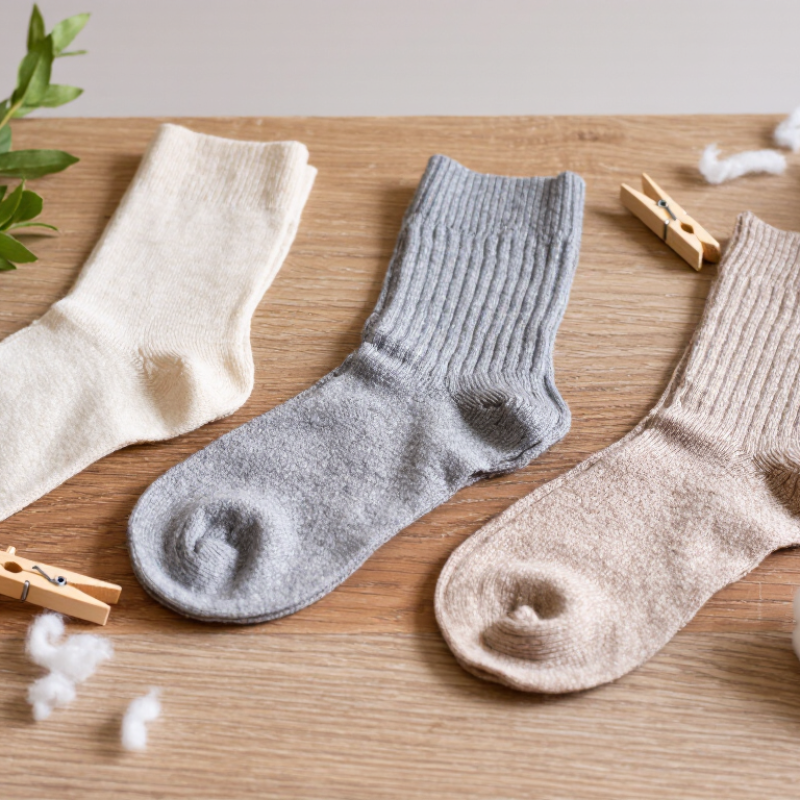
The best organic socks begin with traceable fibers, not attractive packaging. Organic cotton is the most practical choice for daily wear. It feels soft, handles frequent washing, and suits sensitive skin. Hemp offers stronger fibers and useful breathability, although it can feel rough without careful blending. Organic wool provides warmth and natural odor resistance, but some wearers dislike its texture.
Material choice matters.
Certification standards separate credible claims from vague marketing. The Global Organic Textile Standard requires at least 95% certified organic fibers for products labeled “organic.” Products labeled “made with organic” must contain at least 70%. It also evaluates dyes, wastewater, worker protections, and supply-chain records. The Organic Content Standard verifies organic fiber content and chain of custody, but it does not cover every environmental or social process. That difference is easy to miss.
Textile Exchange reported that organic cotton represented about 1.4% of global cotton production in 2021, equal to roughly 342,000 metric tonnes. The figure shows progress, but organic supply remains limited. I would check the certificate number, fiber percentage, and processing scope before buying. A certification logo alone is not enough. I once assumed “natural” meant organic; it does not. Also, recycled fibers may reduce resource use, yet they should not be confused with certified organic materials. Perfect choices are rare.

Organic socks are not automatically equal. Fiber choice affects comfort, durability, moisture control, and environmental impact.
Organic cotton feels soft against sensitive skin and works well in warm, casual settings. It absorbs sweat, but it dries slowly. Damp cotton can feel heavy during long walks.
Organic wool manages moisture more effectively and retains warmth when slightly wet. Fine wool can feel comfortable, although some people still notice itching. Wool also needs gentle washing and careful drying. Cold water helps preserve its shape.
Bamboo socks often feel smooth and cool. However, most bamboo fabric is processed into rayon or viscose. The final material depends heavily on chemical processing and factory controls. Check for reliable certification and clear fiber labeling. Bamboo is not automatically the most sustainable option.
Hemp offers strong fibers, good airflow, and impressive durability. It can feel coarse at first. Blending hemp with organic cotton usually improves softness.
There is no perfect fiber for every drawer. A practical choice depends on use. Choose organic cotton for everyday indoor wear, wool for cold travel, bamboo blends for a sleek feel, and hemp blends for hard use.
I tend to value durability too highly sometimes. Softer socks may encourage more frequent washing, which changes their real impact. Look beyond the word “organic.” Inspect stitching, fiber percentages, washing instructions, and certification details before buying.
What Is the Best Type of Organic Socks?
How Comfort, Breathability, and Durability Differ by Material
Organic cotton socks feel smooth against the skin and work well for everyday office wear. They absorb moisture, but they may stay damp during long walks or intense exercise. A tighter knit can improve shape retention, although it may reduce airflow slightly. Softness is not everything.
Organic wool offers stronger temperature control. Its natural fibers can move moisture away from the foot while limiting unpleasant odors. Wool also keeps feet warm in cool weather without feeling excessively heavy. However, some people notice itchiness, especially with coarse fibers or loose seams. Merino-style fine wool usually feels gentler, but fiber quality varies.
Hemp can provide impressive durability and breathability. Its texture often feels firmer at first, then softens after repeated washing. Bamboo-based socks may feel cool and silky, yet they are usually made from regenerated cellulose rather than raw bamboo fiber. That distinction deserves attention. Check the fiber label and any credible organic certification, because “organic” may describe only one part of the sock. In my view, cotton suits simple daily comfort, wool suits changing temperatures, and hemp suits hard wear. This is not absolute. Fit, cushioning, washing habits, and foot shape can change the result. A practical test is simple: wear the socks for several hours, then inspect dampness, pressure marks, and stretched cuffs. Look at the label.
| Material | Typical Comfort | Breathability | Moisture Management | Warmth | Durability | Best Use | Care Considerations | Key Advantages and Limitations |
|---|---|---|---|---|---|---|---|---|
| Organic Cotton | ★★★★★ Soft, familiar feel with a smooth surface. | ★★★★☆ Allows reasonable airflow in lightweight knits. | Absorbs sweat well, but dries slowly and can feel damp during intense activity. | Low to moderate; best for mild or warm conditions. | ★★★☆☆ Comfortable, but repeated washing and abrasion may cause thinning. | Everyday wear, casual shoes, and sensitive skin. | Wash according to the label; avoid excessive heat because cotton may shrink. | Usually the softest and easiest option to find. It is less suitable for long hikes or heavy sweating because it retains moisture. |
| Organic Merino Wool | ★★★★☆ Fine fibers can feel soft; quality and fiber diameter affect comfort. | ★★★★★ Wool fibers help regulate temperature and allow vapor to escape. | Can absorb moisture vapor while remaining comparatively comfortable; dries faster than cotton in many conditions. | ★★★★★ Warm in cold weather while remaining useful across changing temperatures. | ★★★★☆ Good resilience, especially when blended with a small amount of stretch or reinforcing fiber. | Hiking, travel, cool weather, and variable climates. | Use a gentle cycle or hand wash when recommended; avoid high heat and rough agitation. | Excellent temperature regulation and odor resistance. It can cost more and may feel itchy to people who are wool-sensitive. |
| Organic Hemp | ★★★☆☆ Becomes softer with washing but may feel more textured than cotton. | ★★★★☆ Breathable structure is suitable for warm-weather socks. | Absorbs moisture and is generally slower to dry than many synthetic performance fibers. | Low to moderate; more suitable for mild temperatures than deep winter. | ★★★★★ Strong natural fiber with good resistance to everyday wear. | Casual use, warm climates, and people who prefer a sturdy natural fabric. | Machine wash is commonly suitable; follow the product label and avoid unnecessary high heat. | Strong, breathable, and long-lasting. The hand feel may be less silky, and pure hemp socks can be less elastic without a blend. |
| Bamboo Viscose | ★★★★★ Very smooth and soft against the skin. | ★★★★☆ Comfortably breathable in lightweight constructions. | Absorbs moisture, but the fabric may dry more slowly than wool or technical fibers. | Low to moderate; generally designed for lightweight comfort. | ★★★☆☆ Soft fibers can wear faster under heavy friction, depending on construction. | Daily wear, dress socks, and warm-weather comfort. | Use gentle washing and avoid high heat to help preserve softness and shape. | Offers a smooth, cool-feeling hand. Bamboo must be chemically processed into viscose, so it is not the same as mechanically processed bamboo fiber. |
| Organic Cotton–Hemp Blend | ★★★★☆ Balances cotton softness with hemp’s slightly textured feel. | ★★★★☆ Good airflow for everyday use. | Absorbs moisture effectively, but is not ideal when rapid drying is essential. | Low to moderate. | ★★★★☆ Hemp can improve strength and help offset cotton’s lower abrasion resistance. | Daily wear, walking, and casual outdoor activities. | Wash according to the label; reshape while damp if the knit tends to stretch. | A practical compromise between softness, strength, and breathability. Exact performance depends on the fiber percentages and knit density. |
| Organic Merino Wool–Organic Cotton Blend | ★★★★☆ Combines wool’s springiness with cotton’s familiar softness. | ★★★★☆ Generally breathable across a broad range of conditions. | Better temperature and moisture balance than cotton alone, though drying speed varies by blend ratio. | ★★★★☆ Warmer than pure cotton and lighter than many thick wool socks. | ★★★★☆ Often durable when reinforced at the heel and toe. | Three-season use, travel, commuting, and light hiking. | Follow the most delicate fiber’s care instructions; avoid high heat if wool is included. | Provides a versatile balance of comfort and temperature control. It may not dry as quickly or insulate as strongly as a high-wool design. |
Ratings are comparative guidance for typical sock constructions, not laboratory measurements. Actual performance depends on fiber quality, blend percentages, knit density, cushioning, fit, and finishing. “Organic” generally refers to certified agricultural fibers; certification of the finished sock and dyes should be checked separately.
What Is the Best Type of Organic Socks?
Choosing Organic Socks for Sports, Everyday Wear, and Sensitive Skin
The best organic socks depend on your activity, skin, and washing habits. Organic cotton feels soft against skin and works well for everyday wear. Look for smooth seams, breathable knitting, and a secure but gentle cuff. A recognized textile certification can verify organic fibers and limit certain harmful substances. However, “organic” does not automatically mean chemical-free or suitable for everyone.
For sports, choose socks with reinforced heels, arch support, and ventilation zones. Organic cotton suits walking, light training, and casual cycling. It absorbs sweat, though it can stay damp during intense exercise. That may cause rubbing or blisters. Organic wool can regulate temperature better, but some people find it itchy. Test a pair during a short workout first. Small details matter.
Sensitive skin needs a slower selection process. Choose undyed or lightly dyed fabric, flat toe seams, and minimal elastic. Wash new socks before wearing them, using fragrance-free detergent. I once assumed softer fabric would always feel better, but tight cuffs caused redness after several hours. That mistake changed my buying habits. Check your skin after wearing socks, especially around the toes and ankles. A loose fit may feel comfortable, yet it can slide and create friction. There is no perfect pair. Performance, comfort, and skin response can conflict.
What makes organic socks genuinely better? Fiber origin matters, but production evidence matters more. Textile Exchange’s 2024 Materials Market Report estimates organic cotton represented about 1.4% of global cotton production in 2022. That small share makes traceability important. Look for recognized standards, transaction certificates, and facility details. A fiber-only claim is not enough. GOTS reported more than 13,000 certified facilities worldwide in its 2024 impact reporting. Its system reviews processing, chemical inputs, and social criteria.
Ethical production needs specific answers. Can the maker identify spinning, knitting, dyeing, and sewing sites? Are wages, working hours, and grievance systems independently checked? The OECD Due Diligence Guidance recommends risk-based checks across garment supply chains. Vague words like “responsibly made” prove little. Ask for current certificates, not polished promises. Certification reduces uncertainty, but it does not remove every risk. That distinction is easy to miss.
Care affects value. Wash organic cotton socks inside out at a cool temperature, then line-dry them. Skip bleach and frequent tumble drying. Heat can weaken elastic and shorten wear life. Check the cuff, heel, and toe after several washes. Pilling, thinning, or loose elastic reveal real performance. Compare price with expected wears, not shop-floor softness. A comfortable pair worn 80 times may outperform a cheaper pair worn ten times. This calculation remains imperfect. Personal washing habits change everything. A small wear diary gives better evidence than packaging.
Newsletter SignupUpcoming events, promo offers, member exclusives and more.
Golf Fanatics is a Chrysalis Enterprises Company owned by a group of like-minded individuals who share a common passion and affinity for golf, investing in successful Small-Medium-Enterprises, creating rewarding employment opportunities and being good industry participants and corporate citizens.
Monday
Tuesday
Wednesday
Thursday
Friday
Saturday
Sunday
9 a.m. – 10 p.m.
8 a.m. – 10 p.m.
8 a.m. – 10 p.m.
8 a.m. – 10 p.m.
8 a.m. – 11 p.m.
8 a.m. – 11 p.m.
8 a.m. – 9 p.m.
Copyright © 2025 · Golf Fanatics is a division of Chrysalis Golf Ventures Inc.
7100 15th St SE, Calgary AB
This site is protected by reCAPTCHA and the Google Privacy Policy and Terms of Service apply.

Need help? Call our support 24/7

Just a few things before you book…
While Toptracer Range technology and our automated ball dispensers are 99% reliable, there are rare instances when they do not function properly, especially during periods of inclement weather.
Please note that we do not guarantee the reliability of these services during any booking and will not provide you with a refund or credit if they do not function properly during your booking, therefore booking our services is fully at your discretion.
By booking our services, you acknowledge full responsibility for the cost of any intentional or unintentional damages to any Golf Fanatics or neighboring property and equipment caused by you or your guests during your booking.
You and your guests hereby agree to indemnify Golf Fanatics from any liabilities associated with any personal injury incurred by you or your guests during your booking.


