



10 Best Miniature Golf Suppliers for Global Buyers

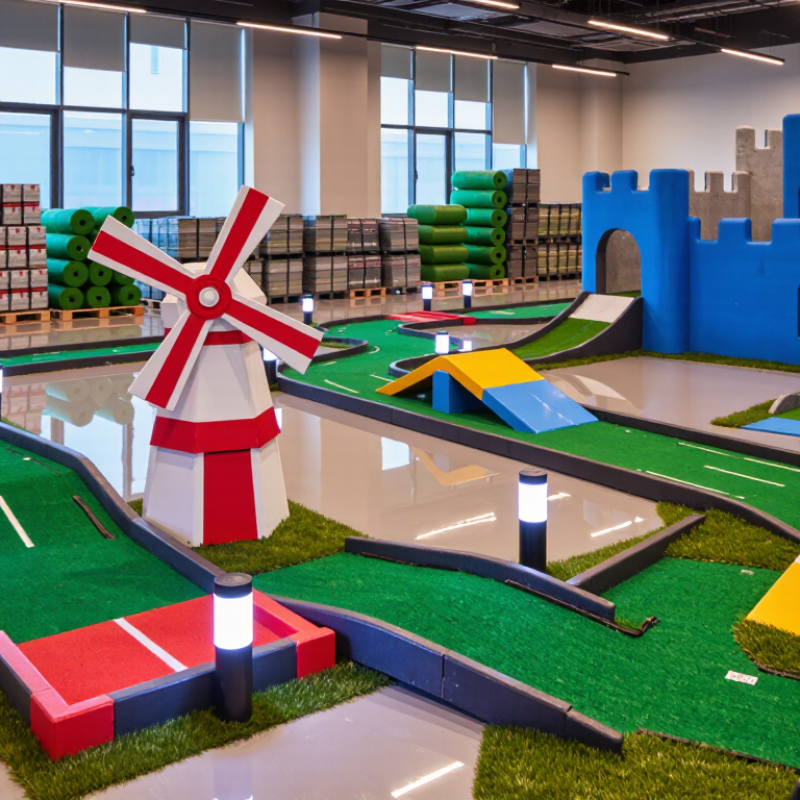
Miniature golf is a compact attraction, but choosing the right supplier takes more than comparing prices. Global buyers must assess course design, surface materials, obstacles, lighting, installation support, and replacement parts. A bright windmill looks simple in a rendering. It still needs durable finishes and accessible maintenance.

Industry data offers useful context, though not a direct measure of miniature golf demand. The National Golf Foundation’s 2024 Golf Industry Report counted 47.2 million U.S. participants across on-course and off-course golf in 2023. That broader figure signals interest in varied golf experiences, but it should not be treated as a miniature-golf market total. IAAPA’s Global Theme and Amusement Park Outlook also provides benchmarks for the wider attractions sector, where visitor experience and operating costs matter. Context matters.

For buyers comparing the 10 best miniature golf suppliers, the practical questions are specific: Can a supplier adapt layouts to a narrow indoor venue or a sun-exposed resort? Are replacement components available? How are shipping, installation, and after-sales service handled across regions? These details affect project timelines and long-term upkeep. Supplier claims deserve verification through drawings, material specifications, references, and clear warranty terms. A low quote can be attractive. It may not tell the whole story. This comparison is a starting point, not a substitute for checking local site conditions and supplier documentation.
10 Best Miniature Golf Suppliers for Global Buyers

Understanding the Global Miniature Golf Supplier Landscape

The global miniature golf supplier landscape includes manufacturers of modular obstacles, putting surfaces, course accessories, and complete themed installations. Their capabilities vary widely. Some focus on repeatable components, while others handle custom layouts and site-specific fabrication. For buyers, the useful question is not simply who offers the most features, but who can explain materials, dimensions, installation needs, and maintenance clearly.

Compare suppliers using practical details. Ask for surface samples, product specifications, packing dimensions, and photographs of completed projects. A putting surface that looks smooth in a catalog may behave differently outdoors after heavy use or exposure to rain. Confirm how obstacles are secured, what replacement parts are available, and whether installation guidance is included. Small details matter. Shipping distance, crate size, and lead time can also affect a project’s schedule and budget.

Communication is part of supplier quality. Responsive teams should answer technical questions directly and flag limitations before an order is finalized. Buyers can request references or project examples that resemble their intended venue, rather than relying on polished promotional images alone. Still, comparisons are not always straightforward: materials, customization, and service packages differ, so the lowest quotation may not represent equal scope. I would also leave room for uncertainty; a sample cannot fully predict how a course will perform after months of real visitor use.

Comparing Supplier Capabilities, Products, and Services

Comparing miniature golf suppliers means looking beyond polished course renderings. Buyers should compare obstacle variety, turf specifications, drainage design, lighting, and replacement-part availability. The National Golf Foundation’s 2024 participation report counted about 45 million U.S. golfers in 2023 across on- and off-course formats. This is not a miniature-golf market estimate, but it signals demand for accessible golf experiences. Details matter.

Request itemized quotations, material samples, installation schedules, and warranty terms. Ask how modular obstacles are packed and shipped, and whether crews can adapt layouts to uneven ground or tight indoor spaces. A common blind spot is comparing price before confirming what the price includes. Freight, site preparation, and local installation can change the total substantially. I would not treat a vivid rendering as proof of durability. Ask for evidence. Suppliers that document maintenance needs and provide clear drawings are easier to assess across borders. Still, specifications can miss real-world wear; clarify who handles repairs when a course is busy.

Miniature Golf Course Formats for Global Buyers

Hole counts are a practical planning reference when comparing suppliers’ design, manufacturing, and installation capabilities. These are course-format examples, not supplier rankings.

Evaluating Quality, Safety, Pricing, and International Shipping

10 Best Miniature Golf Suppliers for Global Buyers
Evaluating Quality, Safety, Pricing, and International Shipping

When comparing miniature golf suppliers, ask for material specifications, installation drawings, and photos of completed courses. A durable putting surface should lie flat, resist everyday wear, and drain properly after rain. Check whether edges, ramps, and obstacles have smooth finishes and stable fixings. Request relevant safety and quality documents, then verify that they match the products being quoted. A polished photo is not proof.

Pricing depends on more than the turf. Compare itemized quotes covering obstacles, packaging, replacement parts, and installation guidance. Ask what is excluded. Low prices can hide costs, though higher prices do not guarantee better workmanship. Request a sample or detailed close-up images when practical. One limitation: samples may not reveal how a full course performs after months of use.

Tips: Confirm crate dimensions, shipping method, and delivery responsibilities before paying a deposit. Ask for a written production timeline and tracking details. Check how damaged or missing components are reported and resolved. Leave room in your budget for import charges and local handling; these vary by destination.

Profiles of 10 Miniature Golf Suppliers for Global Buyers

The ten supplier profiles cover distinct capabilities: turnkey course designers, modular lane builders, fiberglass obstacle makers, artificial-turf suppliers, putting-surface installers, drainage specialists, LED lighting integrators, water-feature fabricators, scoring-system providers, and maintenance-equipment distributors. These are useful categories, not interchangeable offers. A buyer should compare drawings, material specifications, installation scope, spare-part availability, and local service plans. Ask how surfaces perform after heavy rain and repeated play. Small details matter.

The National Golf Foundation’s 2023 U.S. Golf Economy Report estimated golf’s total economic impact at $101.7 billion in 2022. That figure includes multiple golf activities and does not measure miniature golf alone, so it is market context, not a mini-golf forecast. The R&A’s Golf Around the World 2023 report counted 38,864 golf facilities worldwide; its scope is golf facilities generally, not miniature courses. These reports support careful market assessment, not automatic demand assumptions.

For each supplier profile, verify project references and request close-up photos of seams, edges, and obstacle joints. Compare quoted freight, installation responsibilities, maintenance guidance, and replacement-part lead times. A low purchase price may hide difficult upkeep. A polished rendering proves little. I would also check whether the proposed layout suits the site’s climate and visitor flow. Some specifications may look convincing on paper, yet still need a real-world trial.

Selecting a Supplier for Your Project and Market needs

Choosing among miniature golf suppliers starts with the project, not the catalog. A hotel rooftop course, a family entertainment center, and a seasonal attraction need different layouts, wear resistance, and installation support. Share a site plan, expected player volume, indoor or outdoor conditions, and target opening date before requesting a quote. Ask how obstacles, turf, edging, and putting surfaces perform after repeated use. For outdoor sites, request material details for sun, rain, and temperature swings. Small details matter. A narrow service gate can change delivery plans.

Tips: Request a turf sample and a scaled layout before approving production. Compare total landed cost, not unit price alone. Confirm packaging dimensions, replacement-part availability, lead times, and who handles installation questions across time zones. Put specifications in writing. Verbal promises are easy to misremember.

Market fit deserves close attention. Families may value clear sightlines and forgiving obstacles, while corporate venues may need consistent ball response and smooth player flow. Ask for completed project photos, references, material specifications, and maintenance guidance. Check that drawings show drainage, accessible routes, and realistic staff access. I would not assume a polished render predicts an easy build; awkward corners often appear during site measurement. Ask for specifics. If a supplier cannot explain a trade-off plainly, keep comparing.

Go to Top