



Finding the best golf lessons in 2026 requires more than choosing the most expensive academy or famous coach. The right instruction should match your goals, experience, schedule, and learning style. A beginner may need clear grip and posture guidance, while an experienced player may need launch-monitor data and course strategy. Fit matters.
Harvey Penick, the respected American golf coach who taught champions such as Ben Crenshaw and Tom Kite, often advised players to “take dead aim.” His words remain useful because effective golf lessons should create focused decisions, not mechanical confusion. Look for instructors who explain why a change matters, demonstrate it clearly, and measure progress over time. Ask whether lessons include video analysis, practice plans, playing assessments, or access to technology such as TrackMan. A polished studio can still offer weak coaching. A modest facility can produce excellent results.
Your first lesson should feel practical. Notice whether the instructor watches your full swing before changing it. Notice whether feedback is specific, patient, and connected to your actual miss. Reliable coaches also discuss limitations honestly. No lesson can fix every problem in one session. Improvement is rarely linear.
This guide will compare coaching credentials, lesson formats, pricing, technology, and student feedback. It will also consider location and long-term value. Reviews can help, but they are not proof. Your own experience remains important. The best golf lessons should leave you with one clear priority, a manageable drill, and a reason to practice again.
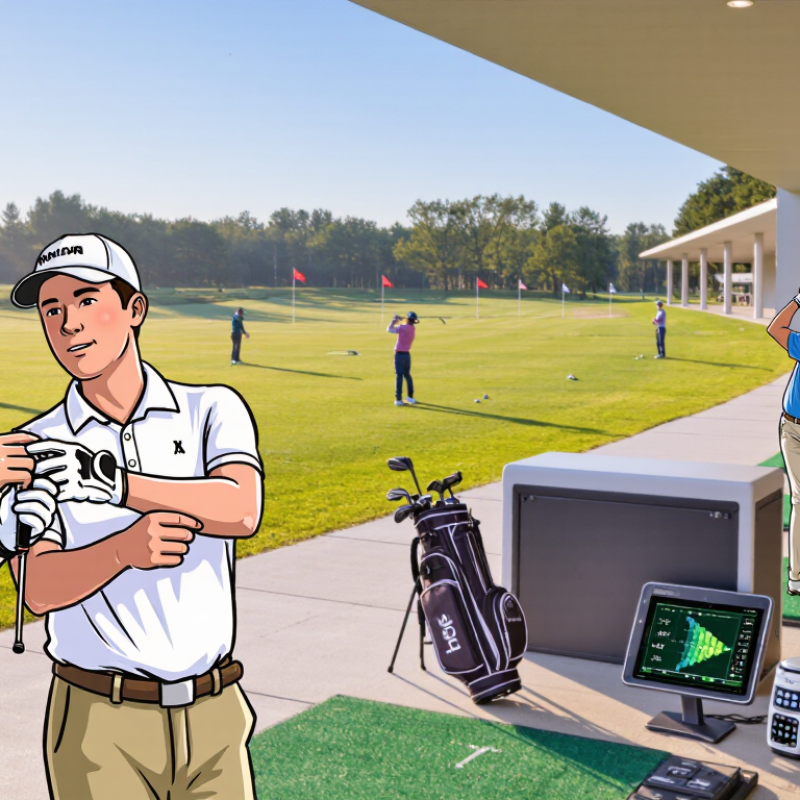
Finding the best golf lesson in 2026 starts with defining what you want to improve. “Play better” is too vague. You may want to break 100, hit straighter drives, or feel calmer on short putts. Write one measurable goal before contacting a coach. A clear target helps the instructor build suitable practice drills and track real progress.
Your skill level matters just as much. A beginner may need grip, posture, balance, and safe movement patterns. An experienced player might need launch data, course strategy, or pressure practice. Be honest about your current ability. Inflating your handicap can lead to lessons that feel advanced but solve nothing. A reliable coach should assess your swing, ask about injuries, and explain why each exercise matters.
Learning style also affects results. Some golfers improve through demonstrations, while others need simple verbal cues or repeated video feedback. Ask how the lesson is structured and whether practice notes are provided. Watch for specific explanations, realistic promises, and respectful communication. Short drills help. Too many corrections can create confusion. Your preferences may change as you learn, and that is normal. The first plan may not fit perfectly. Reflect after each lesson: What felt clearer, what remained uncomfortable, and what can you practice for fifteen focused minutes?
Choosing golf lessons in 2026 requires more than comparing hourly prices. The R&A’s Global Golf Participation Report 2023 counted 66.6 million adult golfers across 206 countries. The National Golf Foundation reported 45 million American on-course or off-course participants in 2023. More players mean more coaching choices, but not every lesson suits every swing.
Compare lesson types carefully. A private session offers detailed feedback and faster adjustments. Group classes cost less and create useful pressure. Playing lessons reveal decisions that a covered practice bay may hide. Check the coach’s recognized professional certification, teaching experience, and continuing education. Ask whether they use video, launch-monitor data, or simple movement drills. A credential is useful, not magical. I would still question a coach who explains every mistake with one theory. Good teaching should adapt to your age, goals, injury history, and available practice time.
Tips: Book one trial lesson before buying a package. Ask for a written goal after the session. Notice whether the coach explains why a drill matters. Request two practice tasks, not ten. Record your baseline: handicap, average carry, common miss, and confidence under pressure. Reflect honestly afterward. Did the lesson improve understanding, or only produce impressive numbers?
Compare lesson types, coaching credentials, and teaching methods
The chart uses a transparent 1–5 planning index based on typical characteristics of each lesson format: the amount of individual feedback, practice transfer, convenience, and value for money. Private and on-course lessons generally provide the strongest personalization, while group and online lessons typically offer greater flexibility and lower cost. When choosing a coach, look for recognized professional training, relevant playing and teaching experience, clear assessment methods, and measurable practice goals.
Finding effective golf lessons begins with evaluating local instructors carefully. Look for verified qualifications, current teaching experience, and clear communication. A strong instructor studies your swing before offering corrections. They should explain grip, posture, club path, and ball flight in practical language. Ask how lessons are structured and how progress is measured. A trial session can reveal whether the instructor listens or simply repeats a fixed routine. Personal attention matters.
Visit the facility before booking several lessons. Check the condition of practice mats, putting greens, lighting, and indoor areas. Clean equipment and safe spacing suggest responsible management. Local reviews can reveal useful patterns, especially comments about punctuality, lesson value, and improvement. Read recent reviews from different golfers. One angry comment is not enough evidence. However, repeated complaints deserve attention.
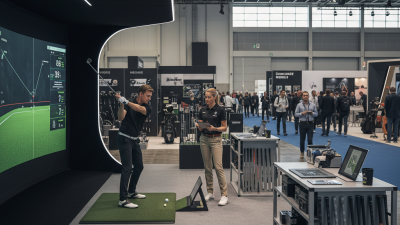
Technology can improve feedback when used thoughtfully. Launch monitors, swing cameras, and pressure sensors may show details your eyes cannot detect. Ask whether the instructor explains the numbers instead of displaying them without context. Data should support coaching, not replace human judgment. A camera angle may also distort a swing. That is easy to miss. I would compare video, ball flight, and physical feel across several sessions. Improvement is rarely perfect or immediate, and some useful lessons may expose uncomfortable habits rather than produce quick results.
Finding the best golf lesson in 2026 requires more than comparing hourly prices. Private instruction often costs more than group coaching, but the cheaper option may provide less individual feedback. Ask what each fee includes: video analysis, practice plans, equipment checks, or follow-up support. A clear price list builds trust.
Packages can reduce the cost per lesson, yet they deserve careful review. Check the expiration date, rescheduling rules, and refund policy before paying. Some packages promise progress but provide no measurable targets. A useful plan might include three sessions, a launch-monitor review, and specific practice drills for the next month. Ask whether unused lessons can be transferred.
Scheduling also affects value. A lesson at a convenient time is more useful than a discounted session you regularly miss. Look for realistic availability, weather policies, and reasonable cancellation windows. The instructor should discuss your goals, current handicap, physical limits, and preferred learning style before recommending a package. That conversation shows professional judgment.
I once chose a cheaper lesson that lacked structure. The hour felt pleasant, but I left without knowing what to practice. That mistake changed how I compare instructors. Experience matters, but credentials, continuing education, communication, and verified student feedback matter too. Treat testimonials carefully. One glowing review cannot prove consistent results. A short trial lesson may reveal more than a polished sales page. Pay attention to whether the instructor explains errors clearly and adapts when a drill fails. Progress is rarely perfectly linear.
A trial lesson can reveal more than a polished advertisement. Choose an instructor who explains swing mechanics clearly and asks about your goals. Check their training, teaching experience, and approach to injury prevention. A reliable coach should watch your full swing, short game, and putting habits before suggesting major changes. Good instruction feels specific, not copied.
Book one trial lesson before making a long commitment. Arrive early with your usual clubs and a clear target, such as lowering your score or improving contact. During the session, notice whether the instructor gives practical drills. Ask how progress will be measured.
Useful records may include clubhead speed, carry distance, strike quality, putting accuracy, and scores from consistent practice rounds.
Track your results for three to six weeks. Keep notes after each practice session. Write down the drill, number of swings, and common mistakes. Small details matter. A launch monitor can help, but it should support judgment, not replace it.
If your swing improves on the screen but feels painful, the lesson needs reconsideration. My own early practice was too focused on distance. I ignored balance and rushed my tempo. That mistake cost time.
A strong coach reviews your evidence and adjusts the plan. You should understand what to practice, how often, and why it matters. If every lesson introduces a new fix, ask for a clearer progression.
Trial lessons are not auditions for perfection. They are a practical test of communication, trust, and measurable improvement.
Newsletter SignupUpcoming events, promo offers, member exclusives and more.
Golf Fanatics is a Chrysalis Enterprises Company owned by a group of like-minded individuals who share a common passion and affinity for golf, investing in successful Small-Medium-Enterprises, creating rewarding employment opportunities and being good industry participants and corporate citizens.
Monday
Tuesday
Wednesday
Thursday
Friday
Saturday
Sunday
9 a.m. – 10 p.m.
8 a.m. – 10 p.m.
8 a.m. – 10 p.m.
8 a.m. – 10 p.m.
8 a.m. – 11 p.m.
8 a.m. – 11 p.m.
8 a.m. – 9 p.m.
Copyright © 2025 · Golf Fanatics is a division of Chrysalis Golf Ventures Inc.
7100 15th St SE, Calgary AB
This site is protected by reCAPTCHA and the Google Privacy Policy and Terms of Service apply.

Need help? Call our support 24/7

Just a few things before you book…
While Toptracer Range technology and our automated ball dispensers are 99% reliable, there are rare instances when they do not function properly, especially during periods of inclement weather.
Please note that we do not guarantee the reliability of these services during any booking and will not provide you with a refund or credit if they do not function properly during your booking, therefore booking our services is fully at your discretion.
By booking our services, you acknowledge full responsibility for the cost of any intentional or unintentional damages to any Golf Fanatics or neighboring property and equipment caused by you or your guests during your booking.
You and your guests hereby agree to indemnify Golf Fanatics from any liabilities associated with any personal injury incurred by you or your guests during your booking.