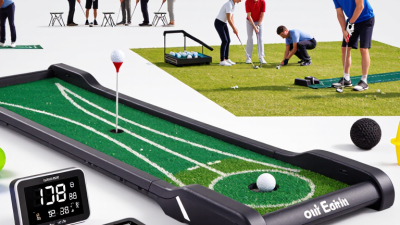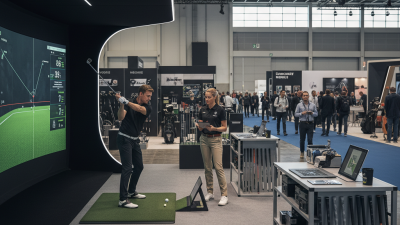




Golf putting practice is the focused training used to improve performance on the green. It includes distance control, face alignment, green reading, and pressure management. Unlike a full swing, putting happens close to the hole, yet small errors can quickly add strokes. A putter face opened by only a few degrees may send the ball several inches off line. The target is small. That matters.
Effective golf putting practice usually begins with repeatable fundamentals. Players may place tees around a hole, roll balls from different distances, or use a straight alignment aid. These drills develop pace and direction together. Skilled coaches often recommend observing the ball’s roll, not merely counting makes. A putt that finishes 18 inches beyond the cup shows different control from one that stops short. Both results deserve attention.
Putting practice also reveals personal weaknesses. Some golfers read too much break, while others strike the ball with a hurried rhythm. A simple routine can expose these habits: choose a target, make one rehearsal stroke, and commit to the pace. It is not a perfect system. Pressure still changes decisions. Even experienced players lose focus. That is normal.
The value of practice comes from purposeful repetition and honest feedback. Recording distances, missed starting lines, and three-putt patterns can make improvement more measurable. Reliable instruction should respect individual ability, green conditions, and physical comfort. Over time, consistent work can build confidence without promising automatic success. Golf putting practice matters because it turns vague frustration into specific skills that players can understand, test, and refine.
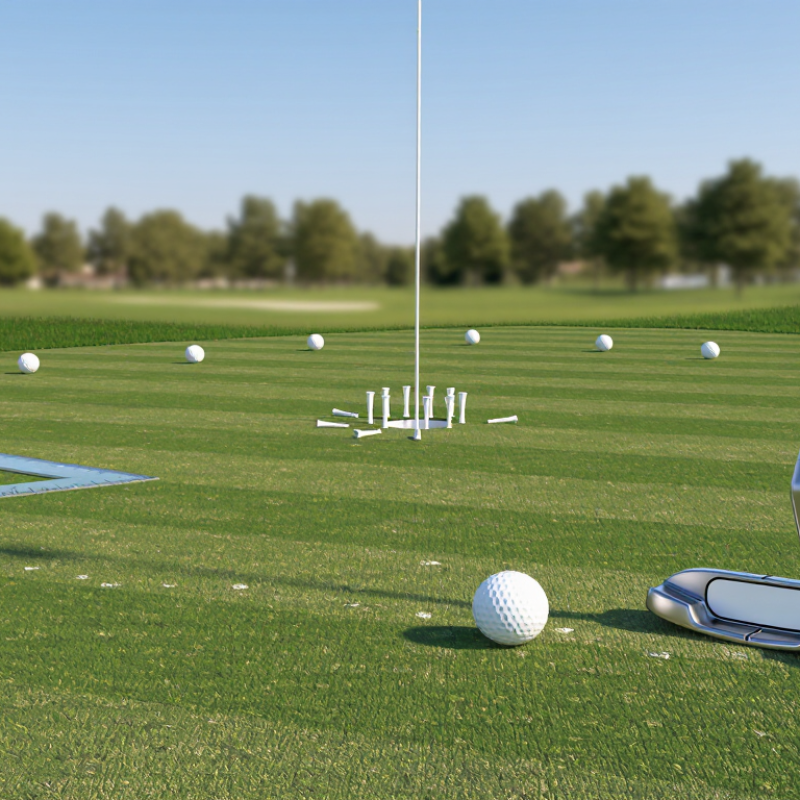
Golf putting practice is deliberate training for the stroke used on the green. It includes setup, aim, face control, distance judgment, and reading slopes. Its purpose is not simply to make more putts. It builds repeatable decisions under changing conditions. A practice session may begin with six short putts from three feet. The golfer watches the starting line, contact, and finish. Small details become visible.
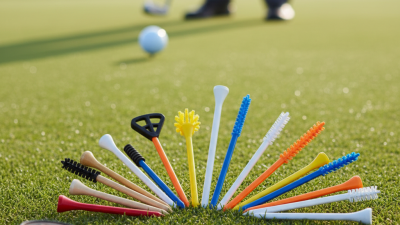
Effective practice connects a skill with a clear target. Place tees around a hole at four, six, and eight feet. Putt from each position, then record the result honestly. This drill tests direction and pressure without complicated equipment. Longer putts need a different focus. The goal is to finish near the hole, not force every ball in. A ball stopping 18 inches away may reveal poor speed control. On a sloped green, the same stroke can produce a different outcome. Green speed, grain, and moisture matter.
Putting practice also trains routine. Take one breath, settle the eyes, and make the stroke without extra searching. I sometimes rush after a missed putt, which makes the next attempt less useful. That mistake deserves attention, not denial. Keep notes on distance, break, and emotional response. Review them after practice. Reliable improvement comes from honest feedback, repeated exposure, and adjustments matching real playing conditions. A quiet three-foot putt can feel surprisingly demanding.
The fundamentals of a consistent putting stroke begin with control, not force. A reliable stroke returns the putter face squarely and repeats its path under pressure. PGA TOUR ShotLink data shows that professionals make roughly half of their eight-foot putts. From longer distances, success drops sharply. That data changes practice goals. You do not need to hole every putt. You need predictable speed and a dependable starting line.
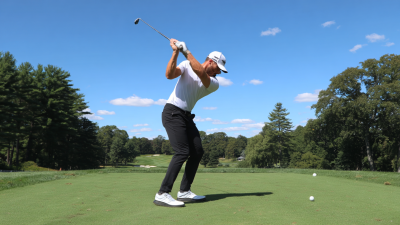
In my coaching experience, many golfers over-focus on mechanics. They alter grip pressure, stance, and backswing length after one missed putt. That reaction creates noise. A better routine uses a stable setup, quiet wrists, and a pendulum-like motion. Research from the R&A and USGA also emphasizes distance control as a major factor in reducing three-putts. Still, perfect rhythm is unrealistic. Wind, grain, nerves, and poor green reading remain difficult variables. I sometimes misread a break, even after checking it twice. That is worth noticing, not hiding.
Tips: Place three balls at three, six, and nine feet. Start with short putts. Then roll longer putts toward a two-foot target zone. Track how many finish inside it. Practice with your eyes briefly closed. This reveals whether your stroke feels balanced. Keep notes, but do not worship the numbers. A repeatable process matters more than one excellent session.
Putting practice is focused training for the stroke, speed, and decisions made on the green. It matters because small face-angle errors can send a short putt several inches offline.
During practice sessions, I begin with putts from three to five feet. Start close. These putts reveal whether the ball starts where the putter face points. I place two tees slightly wider than the putter head. The gate gives immediate feedback without requiring expensive equipment. Misses are useful.
Accuracy improves when the eyes, face, and stroke work together repeatedly. I hit ten putts through the gate, then change distance and repeat. A consistent pre-putt routine also reduces rushed decisions on the course. I check alignment, take one breath, and make a smooth stroke. Still, my practice is not perfectly disciplined. I sometimes chase the hole instead of observing the starting line. That mistake reminds me to measure results rather than trust confidence.
Distance control needs a different challenge. I place balls at 20, 30, and 40 feet, then putt toward a small target zone. The goal is not always to hole the ball. It is to finish within a comfortable two-putt range. Speed comes later. I notice that shorter backswings often produce better speed than forced acceleration. On sloped greens, I practice uphill and downhill putts separately. Firm greens expose poor touch quickly. Recording average leave distances can show progress more honestly than occasional holed putts.
Putting practice is deliberate training for controlling direction, distance, and speed on the green. It matters because small errors often become extra strokes. Reliable putting comes from repeatable movement, not occasional perfect results. A calm routine helps, too.
Start with a gate drill using two tees slightly wider than your putter head. Roll ten balls through the gate from three feet. If the putter clips a tee, your path needs attention. Then try a distance ladder from fifteen to thirty feet. Stop each ball near a chosen target, leaving no ball more than eighteen inches away. This teaches pace without forcing a hard stroke.
Add a start-line drill on a straight putt. Place a coin three feet beyond the hole and aim to roll the ball over it. Make ten attempts, recording how many start correctly. I often focus too much on the hole and ignore the first few inches. That mistake is easy to repeat. A slower takeaway may help, but it can also create tension.
Keep practice blocks short. Spend five minutes on gates, ten on distance control, and five on pressure putts. Before each stroke, read the slope, choose a line, and use the same setup. Misses should be examined, not hidden. Were they pushed, pulled, or left short? Honest notes reveal patterns that memory usually distorts.
Reliable putting comes from controlling start direction, pace, and distance. This chart shows rounded historical tour-level benchmarks for making putts from common distances, illustrating why short-putt drills and long-distance lag-putting practice should both be part of a balanced routine.
Approximate historical PGA Tour benchmarks synthesized from published putting research; percentages are rounded and intended for practice planning rather than player comparison.
Putting practice is structured work on distance control, direction, and green reading.
Progress becomes clearer when each session uses the same test. Place ten balls 1.5 meters from the hole. Record makes, misses, and the distance of every finish. A reliable target is not only more holed putts. It is also fewer three-putts and tighter misses.
Then repeat from three meters, where speed becomes more demanding. Track the average finishing distance with a tape measure. Leaving balls within 30 centimeters shows improving pace control. Keep notes after practice. Small patterns are easier to trust than memory.
Common errors often appear in the numbers.
A short first putt may show deceleration, while repeated pushes can suggest an open face or poor alignment. If every ball finishes low, reconsider the green’s slope and your starting line.
I sometimes focus too heavily on mechanics and lose feel. That mistake matters. Practice should include a few putts while looking at the target, followed by normal strokes. The comparison can reveal whether technique is helping or becoming a distraction.
Stop after quality drops. Tired repetitions can strengthen the wrong motion.
Newsletter SignupUpcoming events, promo offers, member exclusives and more.
Golf Fanatics is a Chrysalis Enterprises Company owned by a group of like-minded individuals who share a common passion and affinity for golf, investing in successful Small-Medium-Enterprises, creating rewarding employment opportunities and being good industry participants and corporate citizens.
Monday
Tuesday
Wednesday
Thursday
Friday
Saturday
Sunday
9 a.m. – 10 p.m.
8 a.m. – 10 p.m.
8 a.m. – 10 p.m.
8 a.m. – 10 p.m.
8 a.m. – 11 p.m.
8 a.m. – 11 p.m.
8 a.m. – 9 p.m.
Copyright © 2025 · Golf Fanatics is a division of Chrysalis Golf Ventures Inc.
7100 15th St SE, Calgary AB
This site is protected by reCAPTCHA and the Google Privacy Policy and Terms of Service apply.

Need help? Call our support 24/7

Just a few things before you book…
While Toptracer Range technology and our automated ball dispensers are 99% reliable, there are rare instances when they do not function properly, especially during periods of inclement weather.
Please note that we do not guarantee the reliability of these services during any booking and will not provide you with a refund or credit if they do not function properly during your booking, therefore booking our services is fully at your discretion.
By booking our services, you acknowledge full responsibility for the cost of any intentional or unintentional damages to any Golf Fanatics or neighboring property and equipment caused by you or your guests during your booking.
You and your guests hereby agree to indemnify Golf Fanatics from any liabilities associated with any personal injury incurred by you or your guests during your booking.