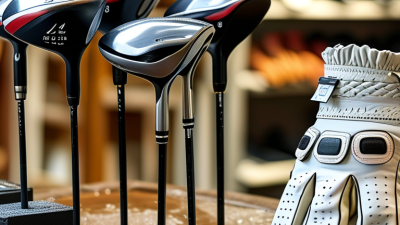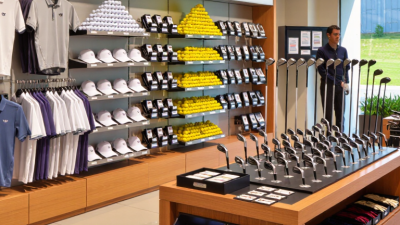




Choosing golf equipment is a personal decision, not a search for one perfect brand. A driver that feels stable in one golfer’s hands may feel too heavy in another’s. That difference matters. Clubhead design, shaft options, grip comfort, and price can all shape the experience. This guide introduces ten leading golf equipment manufacturers worldwide and explains what helps each stand out.
The best golf equipment manufacturers earn attention through product design, consistent quality, and options for different skill levels. Some are known for drivers and irons; others offer strong choices in wedges, putters, balls, or complete sets. A familiar logo alone is not enough. Look at how a club performs, whether it can be fitted to your swing, and how it feels during a real round. Independent testing and professional fitting can add useful evidence, though results may vary by player and test conditions. Even experienced golfers can choose poorly when they focus only on tour-player endorsements.
This list is a practical starting point, not a universal ranking. Product ranges change, and a high-priced model may not improve every golfer’s game. That is worth remembering. Consider your budget, playing habits, and comfort before comparing brands. The right equipment should inspire confidence on the tee and feel dependable around the green. A little doubt is healthy, too. Test what you can, ask informed questions, and choose what genuinely suits your game.

The global golf equipment manufacturing industry covers the design and production of clubs, balls, bags, grips, shafts, and other playing essentials. Its work spans material sourcing, engineering, factory production, quality checks, and delivery to retailers and golfers. A single club may combine a shaped metal head, a lightweight shaft, and a carefully fitted grip. Small changes can affect balance and feel. That matters.
The industry also includes product testing and adaptation for different skill levels, course conditions, and climates. Manufacturers consider factors such as durability, weight, launch, and ease of use. Production networks can cross borders: components may come from several regions before final assembly. This creates efficiency, but also makes supply planning complicated. The picture is not perfectly tidy; product categories and manufacturing roles often overlap. Environmental choices, including material use and packaging, are receiving more attention, though progress can be uneven.
Tips: When assessing this industry, look beyond finished clubs. Compare materials, testing methods, repair options, and how clearly product specifications are explained. A useful detail is the grip: its texture and thickness can change comfort during a long round. Take claims with care. Try equipment under realistic conditions when possible.
Comparing golf equipment manufacturers takes more than reading launch-distance claims. Look for evidence across drivers, irons, wedges, and putters, not just one standout club. Independent testing can help, but check the conditions: swing speed, ball type, and fitting setup affect results. Small differences matter.
Fit and consistency deserve close attention. A driver should offer useful launch and spin options, while irons should produce predictable gaps between clubs. On a fitting range, note how often shots finish near the target, not only the longest one. Mishits count. Feel is harder to measure, yet feedback through the hands can shape confidence and control. It is also personal, so one golfer’s favorite sensation may distract another.
Materials and construction matter when they support performance and durability. Compare adjustable features, shaft choices, repair options, and the clarity of warranty information. A lower price may be attractive, but replacement costs and service access belong in the calculation. Specifications can look precise while leaving out the experience of carrying a club for eighteen holes. That part is easy to overlook. I would also question any ranking that treats innovation as an automatic advantage; a new feature is useful only when golfers can notice a practical difference.
| No. | Comparison criterion | What to measure | Evidence to check | Why it matters |
|---|---|---|---|---|
| 1 | Product range | Availability across club types, golf balls, bags, and other equipment categories. | Current product catalogs and regional product listings. | A broader range can make it easier to assemble compatible equipment from one manufacturer. |
| 2 | Equipment-rule conformity | Whether relevant clubs and balls appear on the applicable conforming equipment lists. | The current equipment databases maintained by the USGA and The R&A. | Conformity matters for equipment used in competitions governed by the Rules of Golf. |
| 3 | Fitting and customization | Options for club length, lie angle, loft, shaft, grip, and other fitting specifications. | Published custom-order menus and access to fitting appointments or facilities. | Appropriate fit can help golfers choose equipment suited to their measurements and swing. |
| 4 | Independent performance testing | Availability of repeatable launch-monitor or laboratory results for relevant products. | Test methods, sample details, and measured outcomes such as ball speed, spin, and dispersion. | Comparable measurements are more useful than unsupported performance claims. |
| 5 | Product choices by skill and swing profile | Whether the range offers clearly differentiated options for different abilities, swing speeds, and preferences. | Specifications, fitting guidance, and product descriptions for each model or configuration. | Golfers have varied needs; a single design is unlikely to suit everyone equally well. |
| 6 | Materials and construction transparency | Clarity of published information about materials, construction, and product specifications. | Technical product pages, specification sheets, and care instructions. | Clear specifications support informed comparisons and help buyers select suitable equipment. |
| 7 | Warranty and repair support | Published warranty terms, claim process, repair options, and replacement-part availability. | Official warranty documents and regional service policies. | Support terms affect the cost and convenience of ownership after purchase. |
| 8 | Global availability and service access | Availability of authorized sales channels, customer support, and service in the buyer’s region. | Regional store locators, distribution information, and local support contacts. | Availability can influence product access, delivery, fitting, and after-sales support. |
| 9 | Price and value transparency | Comparable local prices, configuration costs, and availability of options at different price levels. | Current official or authorized-retailer prices, including the same product configuration. | Like-for-like pricing helps assess value without confusing different specifications. |
| 10 | Environmental and sourcing disclosures | Specific, documented information on materials, manufacturing, packaging, and environmental initiatives. | Published sustainability reports, material disclosures, and independently verified certifications where available. | Specific evidence makes environmental claims easier to evaluate than broad, unverified statements. |
The R&A’s 2023 Global Golf Participation Report recorded more than 61 million on-course golfers across 146 countries and territories. That scale helps explain the range of equipment makers, but participation is not sales data and cannot establish market share. A useful profile compares materials, fitting support, product focus, and how clearly performance claims are tested.
Look beyond polished launch videos. A fitting bay, a launch monitor, and a few swings from uneven lies reveal practical differences. Numbers help, but they can flatter a club; poor fit still costs accuracy. These profiles are lenses, not a verified ranking of individual manufacturers.
Golf equipment manufacturers often focus on a few product categories rather than making every item equally well. Club specialists develop drivers, irons, wedges, and putters, balancing head shape, weight, and feel. A forged iron’s edge, for example, can affect turf contact and feedback. Small details matter.
Ball manufacturers concentrate on core construction, cover materials, and dimple patterns, each influencing launch and spin. Shaft makers work with flex, weight, and torque, while grip specialists consider texture, diameter, and moisture control. These parts may look simple. They are not. Their performance depends on the golfer, the clubhead, and the conditions.
Other manufacturers focus on bags, footwear, gloves, or measuring devices. Bag design involves practical choices, such as pocket access and club-divider layout; footwear makers pay attention to traction and comfort during a full round. Categories often overlap, and a broad product range does not automatically mean deeper expertise. I would compare materials, fit options, and available product information before judging a maker. Even then, specifications can be imperfect guides: a lightweight shaft may suit one swing and feel unstable to another.
Golf equipment innovation is often visible in small details: a lighter shaft, a more stable clubhead, or grooves designed to manage wet conditions. These changes come from repeated testing, not a single clever idea. Engineers compare launch data with feedback from players who use different swing speeds and turf conditions. The numbers help, but feel still matters. That balance is difficult.
Manufacturers influence the global game through fitting networks, production standards, and equipment supplied across many markets. A fitting cart in a regional golf shop can bring professional-style measurement to an everyday player. Digital tools also help fitters explain why a certain lie angle or shaft profile may suit a golfer. Access remains uneven. Not everywhere. Shipping costs, local coaching, and repair services affect whether new technology is useful after purchase. Even advanced designs can disappoint when golfers cannot test them properly. Progress is real, but it is not automatic. The industry sometimes treats newer as better, and that deserves scrutiny. A dependable club that fits a player may matter more than a headline feature.
Newsletter SignupUpcoming events, promo offers, member exclusives and more.
Golf Fanatics is a Chrysalis Enterprises Company owned by a group of like-minded individuals who share a common passion and affinity for golf, investing in successful Small-Medium-Enterprises, creating rewarding employment opportunities and being good industry participants and corporate citizens.
Monday
Tuesday
Wednesday
Thursday
Friday
Saturday
Sunday
9 a.m. – 10 p.m.
8 a.m. – 10 p.m.
8 a.m. – 10 p.m.
8 a.m. – 10 p.m.
8 a.m. – 11 p.m.
8 a.m. – 11 p.m.
8 a.m. – 9 p.m.
Copyright © 2025 · Golf Fanatics is a division of Chrysalis Golf Ventures Inc.
7100 15th St SE, Calgary AB
This site is protected by reCAPTCHA and the Google Privacy Policy and Terms of Service apply.

Need help? Call our support 24/7

Just a few things before you book…
While Toptracer Range technology and our automated ball dispensers are 99% reliable, there are rare instances when they do not function properly, especially during periods of inclement weather.
Please note that we do not guarantee the reliability of these services during any booking and will not provide you with a refund or credit if they do not function properly during your booking, therefore booking our services is fully at your discretion.
By booking our services, you acknowledge full responsibility for the cost of any intentional or unintentional damages to any Golf Fanatics or neighboring property and equipment caused by you or your guests during your booking.
You and your guests hereby agree to indemnify Golf Fanatics from any liabilities associated with any personal injury incurred by you or your guests during your booking.