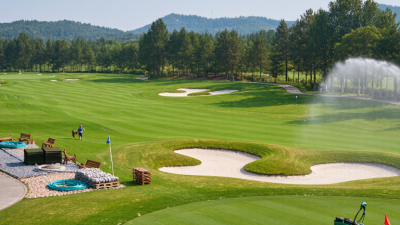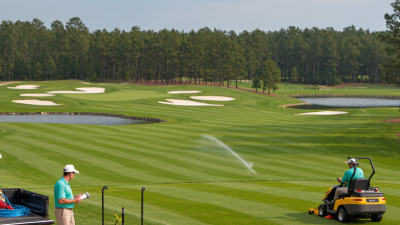




A golf course is more than a stretch of fairways. Its landscape shapes the shots, pace, and decisions golfers face. As architect Pete Dye famously quipped, “The ardent golfer would play Mount Everest if somebody put a flagstick on top.” The line is playful, but it hints at why course design matters: setting can turn a familiar game into a different challenge.
In 2026, golfers will encounter several recognizable course types, including links, parkland, desert, heathland, and resort layouts. Links courses often feature firm ground, wind, and low-running shots. Parkland courses tend to offer tree-lined holes and softer, greener surroundings. Desert designs use native terrain and carefully managed turf; resort courses may prioritize scenery and broad appeal. These are useful labels, not strict rules. Some courses borrow freely from several styles.
This guide compares the leading types by terrain, playing conditions, and the experience they offer. It also considers practical details, such as how wind changes club selection or how trees narrow a landing area. A beautiful view does not always mean an easy round. Nor does a famous design suit every golfer. That part gets overlooked. Course classifications can simplify a complicated subject, and real layouts rarely fit neatly into one box. The aim is not to declare a universal winner, but to help readers understand what each style asks of them—and what they may enjoy most.
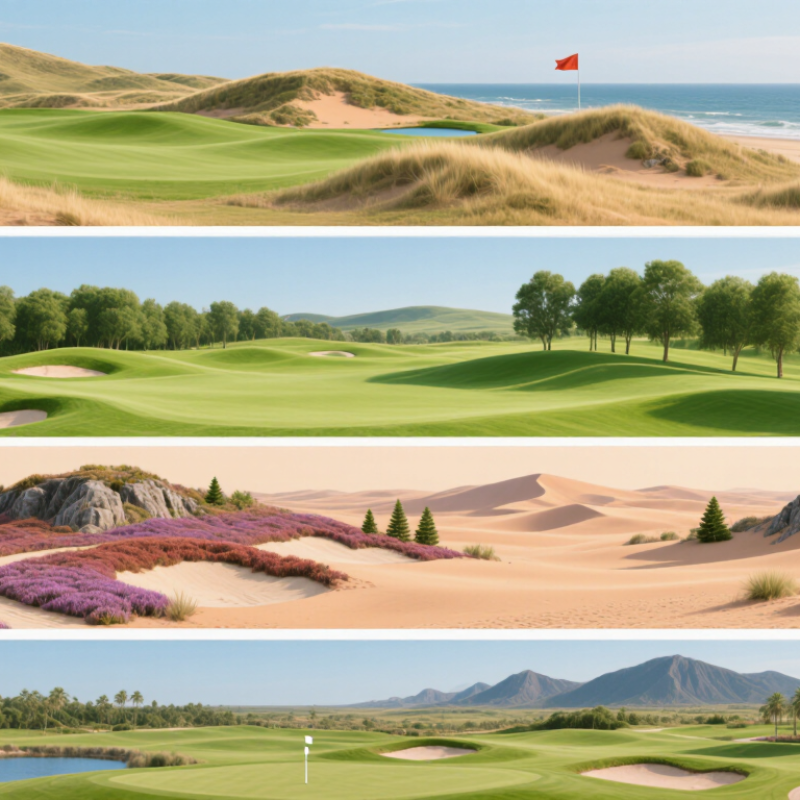
Golf courses are best understood through two overlapping lenses: design and setting. Links courses sit on coastal sand, where firm turf, low-running shots, and shifting wind shape play. Parkland courses use mature trees, lush grass, and often more predictable lies. Heathland layouts typically feature sandy soil, heather, and open corridors. Wind changes everything.
Setting can alter strategy as much as architecture. Desert courses thread fairways through arid terrain, while mountain layouts bring elevation changes and uneven lies. Resort, municipal, and private describe access or ownership, not landform or design. Categories blur. The R&A’s Golf Around the World 2023 report counted 38,864 golf facilities across 206 countries, illustrating the variety of landscapes where the game is played. In the United States, National Golf Foundation facility data puts the total near 16,000, with roughly three-quarters offering public access. These figures describe scale, not course quality. A drawback of tidy labels is that they can hide meaningful differences: two parkland courses may demand entirely different club choices because of drainage, wind exposure, or green design. When comparing courses, look beyond the category to the ground beneath your feet.
Golf courses are shaped by their land, climate, and intended pace of play. Links courses sit on sandy coastal ground, often with firm fairways, few trees, and steady wind. A low-running shot may work better than a high one. Wind changes everything. Parkland courses, by contrast, usually have greener fairways, mature trees, and more sheltered holes. Their appearance can feel welcoming, though trees may leave little room for an inaccurate drive.
Heathland courses share some open, sandy qualities with links courses but are often found inland. Expect natural grasses, shrubs, and gently rolling ground. Desert courses use irrigated turf through dry landscapes; the contrast between green fairways and bare terrain is striking. Resort courses are designed for visiting players and may offer varied layouts, while municipal courses serve local communities and often welcome a broad range of skill levels. Executive courses are shorter, with more par-three holes and a quicker round.
These labels are useful, but not perfect. A course can combine features, and local weather may change how it plays from one season to another. Before booking, check the course length, walking conditions, and typical wind. A map tells only part of the story.
Golf course types are defined by their terrain, vegetation, and the decisions they demand. Links courses sit near coastlines, often on sandy ground with few trees. Wind can push a well-struck ball off line, while firm, rolling fairways encourage low shots. Bunkers may be deep and awkwardly placed. Wind changes everything.
Parkland courses feel more sheltered, with mature trees, softer turf, and water hazards shaping many holes. Their tree-lined fairways reward accuracy, though shade and damp ground can affect play.
Desert courses use irrigated turf within dry, rocky landscapes. The contrast is striking: green fairways framed by sand, scrub, or stone. A missed shot may be difficult to recover, so course boundaries matter.
Heathland courses share some open, sandy qualities with links layouts, but are typically inland. Heather, gorse, and natural contours create uneven lies and narrow landing areas. Not every hole is dramatic.
Resort courses often prioritize accessibility and varied scenery, with wider fairways and multiple tee options. They may combine features from other styles, so the label alone reveals little about difficulty. Check the slope, hazards, and walking distances before choosing. A scenic course can still feel demanding.
These distinctions are useful, but real courses do not always fit neatly into one category.
Links courses expose players to wind, firm turf, and uneven lies. A low shot may run far beyond its landing point. Parkland courses feel more sheltered, but tree-lined fairways punish inaccurate drives and narrow approach angles. The same club can behave differently on each.
Desert courses often place hazards beside broad stretches of sand and native ground. Mountain layouts add elevation changes that complicate club selection. A tee shot downhill may travel farther, while an uphill approach can hide the green’s front edge. These settings change more than scenery. They alter the decisions players make on every hole.
The USGA Course Rating System measures course difficulty for scratch and bogey golfers. Its Slope Rating runs from 55 to 155, with 113 as the standard reference. That figure helps compare playing difficulty; it does not explain every challenge a course presents. Wind, firm greens, and forced carries still matter. A rating cannot tell you how a crosswind will move your ball beside a tree-lined fairway. That sounds obvious. It is easy to forget. When choosing a course, look beyond its type and rating. Consider your accuracy, preferred shot shape, and comfort with uneven lies. I still think golfers sometimes blame a course style when the real problem is a rushed club choice.
Choosing a golf course type starts with the experience you want, not just the scenery. Links courses often have firm ground, coastal wind, and few trees, so shots may run farther than expected. Parkland layouts usually feature softer turf, mature trees, and more sheltered fairways. Desert courses can offer striking views, but heat and long walks between holes may affect comfort. Resort courses often provide practice facilities and on-site services, while municipal courses may be more convenient for regular play. Details vary by location.
Think about your skill level, available time, budget, and preferred pace. Beginners may appreciate wider fairways and clear sightlines; experienced players might enjoy wind, uneven lies, or strategic hazards. Check the walking distance, cart options, course length, and typical weather before booking. A beautiful layout is not always an enjoyable one. I learned that the hard way. Ask whether the course suits your usual playing partners, too. If possible, read recent player feedback and contact the course about current conditions. Your preference may change after a few rounds, and that is worth considering.
| Course Type | Typical Setting and Design | Common Playing Conditions | A Good Fit For | What to Consider |
|---|---|---|---|---|
| Links | Coastal, sandy terrain with few trees; traditionally shaped by natural dunes and open land. | Wind can strongly affect club selection and shot direction. Firm turf may encourage ground-running shots. | Players who enjoy adapting strategy to wind and varied ground conditions. | Check the local weather, walking distances, and whether the course suits low-running shots as well as high shots. |
| Parkland | Inland course with tree-lined holes, maintained turf, and often more sheltered surroundings. | Trees can frame fairways and influence shot choices; conditions vary with rainfall, soil, and maintenance. | Players who prefer a greener, more sheltered setting and clearly defined holes. | Consider tree density, rough length, walking routes, and how narrow fairways may affect your game. |
| Heathland | Typically inland, with sandy soil, open areas, and natural heath or scrub vegetation. | Often firmer and more open than heavily wooded courses; wind and uneven lies can influence play. | Golfers looking for an open, natural landscape with strategic shot choices. | Ask about native vegetation, walking conditions, and how exposed the course is to wind. |
| Desert | Located in arid regions, with maintained playing areas set among desert terrain. | Heat, sun exposure, and limited natural shade can shape the experience. Out-of-play areas may be rugged. | Players who enjoy dramatic scenery and are comfortable planning around hot, dry conditions. | Check seasonal temperatures, water availability, cart policies, and the amount of walking between holes. |
| Mountain | Built in hilly or mountainous terrain, often with elevation changes and scenic views. | Slopes can affect stance, balance, and the distance a shot travels. Weather may change quickly at elevation. | Golfers who enjoy varied terrain and are comfortable with uneven lies. | Review elevation changes, course accessibility, weather, and whether a cart is recommended or required. |
| Resort | A course operated as part of a travel or leisure destination; its landscape and layout can vary widely. | Playing conditions, pace, and access depend on the destination, season, and visitor demand. | Travelers seeking golf alongside lodging, dining, or other recreation. | Compare the total trip cost, tee-time availability, transport, seasonal conditions, and guest access rules. |
| Municipal or Public | Open to the public, often managed by a local authority or other public-serving operator; design varies. | Availability, course condition, and facilities differ by location and time of year. | Golfers prioritizing public access and a range of playing options. | Check booking requirements, current course conditions, practice facilities, and walking or cart options. |
| Executive | A shorter course than a typical full-length layout, often with a greater share of par-3 holes. | Rounds are generally shorter, with more emphasis on approach shots and short-game play. | Beginners, families, and golfers seeking a shorter round or focused practice. | Confirm the hole count, total distance, pace expectations, and whether the layout includes longer holes. |
| Par-3 | A course made up primarily or entirely of short holes intended to be played in three strokes or fewer at par. | Emphasizes tee shots with shorter clubs, accuracy, and putting rather than long driving. | New golfers, practice sessions, and players with limited time. | Check hole count, distances, beginner-friendly facilities, and whether the course permits casual or family play. |
Note: These categories can overlap. For example, a public course may also be parkland, and a resort course may be located in a desert or mountain setting. Check local course details before booking.
Newsletter SignupUpcoming events, promo offers, member exclusives and more.
Golf Fanatics is a Chrysalis Enterprises Company owned by a group of like-minded individuals who share a common passion and affinity for golf, investing in successful Small-Medium-Enterprises, creating rewarding employment opportunities and being good industry participants and corporate citizens.
Monday
Tuesday
Wednesday
Thursday
Friday
Saturday
Sunday
9 a.m. – 10 p.m.
8 a.m. – 10 p.m.
8 a.m. – 10 p.m.
8 a.m. – 10 p.m.
8 a.m. – 11 p.m.
8 a.m. – 11 p.m.
8 a.m. – 9 p.m.
Copyright © 2025 · Golf Fanatics is a division of Chrysalis Golf Ventures Inc.
7100 15th St SE, Calgary AB
This site is protected by reCAPTCHA and the Google Privacy Policy and Terms of Service apply.

Need help? Call our support 24/7

Just a few things before you book…
While Toptracer Range technology and our automated ball dispensers are 99% reliable, there are rare instances when they do not function properly, especially during periods of inclement weather.
Please note that we do not guarantee the reliability of these services during any booking and will not provide you with a refund or credit if they do not function properly during your booking, therefore booking our services is fully at your discretion.
By booking our services, you acknowledge full responsibility for the cost of any intentional or unintentional damages to any Golf Fanatics or neighboring property and equipment caused by you or your guests during your booking.
You and your guests hereby agree to indemnify Golf Fanatics from any liabilities associated with any personal injury incurred by you or your guests during your booking.