



Buying golf equipment in 2026 is less about chasing the newest launch and more about finding clubs that fit your swing, budget, and playing goals. A driver that looks impressive on a shop display may still produce an awkward strike or a slice. A short fitting session can reveal more than a dozen online reviews. Fit comes first.
The National Golf Foundation’s 2024 report estimated that 26.6 million Americans played on a golf course in 2023; roughly 45 million participated in golf in some form, including off-course activities. Those figures show a broad audience, not a single ideal buyer. A beginner carrying a half-set needs different gear from a low-handicap player seeking tighter distance gaps. As you compare options, check shaft flex, club length, grip size, forgiveness, and return policies. Ask whether launch-monitor results reflect your normal swing, too. One fast session is not a full diagnosis.
Ben Hogan’s famous reminder, “The most important shot in golf is the next one,” offers a useful counterweight to equipment hype. New gear cannot promise lower scores. It can, however, make consistent contact easier when its specifications suit the player. In this golf today guide, we’ll look at how to set a realistic budget, compare new and used equipment, choose clubs and balls, and test before buying. Bring your current clubs to a fitter, note your common miss, and ask for clear reasons behind each recommendation. Some advice may still feel incomplete; your swing changes, and equipment choices deserve another look over time.
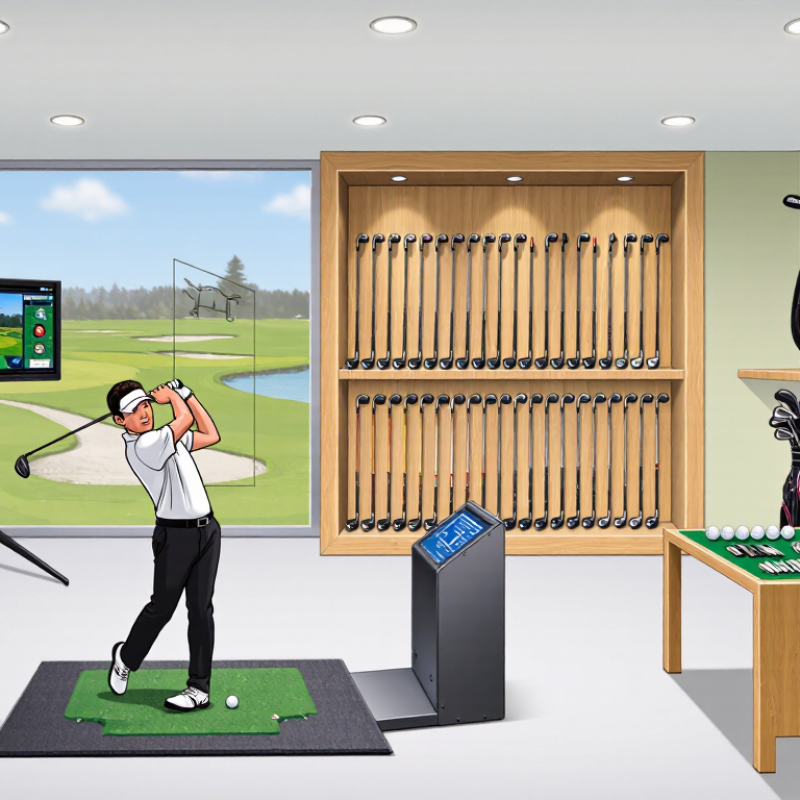
Before buying golf equipment in 2026, assess your game using evidence, not a perfect-round memory. Track scores, missed shots, and typical carry distances over several rounds. Start there. If your seven-iron often flies unpredictably, a fitting session may reveal whether the issue is the club, contact, or simply inconsistent swings. A launch monitor can help, but its numbers should be checked against what happens on the course.
Your playing style matters just as much. Walk most rounds? A lighter bag and fewer, well-chosen clubs may suit you better than carrying every option. Play narrow, tree-lined courses? Prioritize reliable control over maximum distance. On wide courses, distance gaps between clubs may deserve more attention. Consider your usual weather, too: frequent wind or wet conditions can change which ball flight and grip feel practical. I may be overthinking this, but “more distance” is not always the answer.
Then list what genuinely needs replacing. Check worn grips, cracked clubheads, and gaps in your set before shopping. Beginners may benefit from forgiving clubs and a simple setup; experienced players might need precise distance control or a different wedge loft. Try equipment with your normal swing, not your best swing of the day. Ask a qualified fitter to explain the trade-offs, and keep notes on feel, launch, and dispersion. Budget for lessons or practice as well; new gear cannot correct every swing flaw.
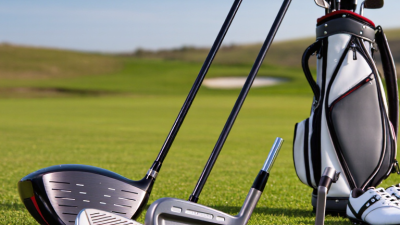
Set a total spending limit before visiting a shop, and keep a small reserve for overlooked costs like gloves, tees, and a simple carry bag. The National Golf Foundation’s 2024 Golf Participation Report counted 26.6 million U.S. on-course golfers in 2023. The R&A’s 2023 Global Golf Participation Report recorded at least 61 million on-course golfers across 146 countries and territories. Those figures show a broad playing base, but they do not mean every golfer needs a full new set. Start with fit.
Prioritize clubs that suit your height, strength, and usual course conditions. A clean, secondhand set can be a sensible starting point; inspect the grips, club faces, and shafts before paying. Put reliable golf shoes and a few balls near the top of the list if you walk often or lose balls regularly. A launch monitor session may help identify club gaps, but it is not essential for a beginner. I would rather see a golfer spend carefully on a comfortable fit than chase technical upgrades too early. That advice has a flaw: used gear can still be a poor value when it needs repairs, so check its condition and price before deciding.
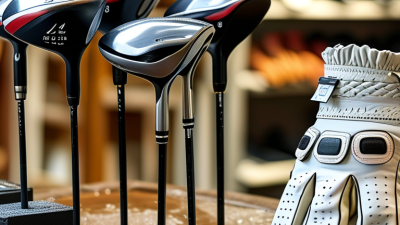
Buying golf clubs in 2026 should begin with fit, not a product label. A qualified fitter can measure your height, wrist position, swing speed, and typical contact pattern. These details help determine shaft length, flex, lie angle, and clubhead design. Bring your current clubs and explain where shots usually miss. Small patterns matter.
Testing makes those measurements useful. Hit several options from the same lie, using the same type of ball when possible. Notice strike location, launch, carry distance, and how often shots finish near your target. A launch monitor can provide helpful data, but it cannot judge comfort or confidence for you. Feel matters, too. Ask to compare a few shaft and head combinations, then repeat the test before deciding. One good shot proves little.
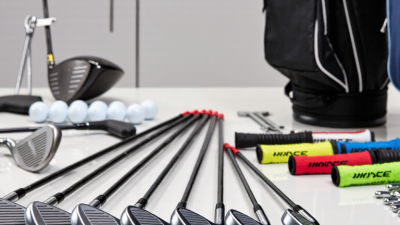
Check specifications against your real needs. A golfer who struggles to launch long irons may benefit from more forgiving designs or a blended set. Loft gaps should produce sensible distance steps, not crowded numbers on paper. Keep notes on ball flight and miss patterns; memory can be unreliable after a busy fitting session. I would not treat every recommendation as perfect. Fitting conditions may differ from your home course, and the first choice can still feel wrong after several rounds.
How to Buy Golf Equipment Today in 2026?
Select Golf Balls, Shoes, Apparel, and Useful Accessories
Buying golf equipment in 2026 starts with fit, not a crowded shelf. Choose golf balls that suit your usual shot shape and feel around the greens. If you lose several balls during a typical round, consider a less costly option while you practice. Shoes should feel secure at the heel and roomy around the toes. Try them with golf socks, and walk on a firm surface before deciding. For apparel, check the forecast and pick breathable layers that allow a full swing. Comfort matters.
Tips: Bring your current clubs and usual golf balls when testing shoes or visiting a fitting service. Check the return policy, and avoid buying several items just because they are on sale. A small towel, glove, divot repair tool, and refillable water bottle can be more useful than another gadget.
Choose accessories that solve a real problem in your game. A simple rangefinder or umbrella may help, but only if you will use it regularly. Check that bags sit comfortably and that pockets are easy to reach. Some gear looks ideal indoors and feels awkward after nine holes; that is easy to overlook. Keep receipts and note what you actually use. Your preferences may change as your swing develops, so leave room to adjust.
| Equipment | What to Consider | How to Choose | Fit or Quality Check | Practical Buying Tip |
|---|---|---|---|---|
| Golf balls | Construction, feel, distance, and control around the green. | Two-piece balls are commonly designed for durability and distance. Multi-layer balls can offer a different balance of feel and spin. Choose by testing shots with both a driver and short irons or wedges. | Check that the ball is new or clearly graded if buying used. Make sure its feel and flight are consistent across several shots. | Match the ball to your usual game rather than choosing only by a “distance” or “spin” label. Keep using one model during a round for more consistent feedback. |
| Golf shoes | Comfort, traction, weather protection, support, and course conditions. | Spiked shoes can provide replaceable traction elements; spikeless shoes use molded patterns and are often convenient off the course. Waterproof designs can help in wet conditions, while lighter, breathable designs suit warm weather. | Try them on with golf socks. Leave a little room at the toes, check that the heel does not slip, and walk or make a golf swing to test stability. | Check the return policy and outsole condition. Shoe sizing and fit vary, so use measurements and an in-person try-on where possible. |
| Golf apparel | Freedom of movement, breathability, temperature, sun exposure, and course dress rules. | Choose flexible garments that allow a full shoulder turn. Moisture-managing fabrics can help in warm conditions; layering makes it easier to adapt to changing temperatures. For sun protection, look for a stated UPF rating. | Raise and rotate your arms, bend, and take a practice swing. Check that seams, hems, and waistbands stay comfortable through movement. | Review the course’s clothing requirements before buying. A UPF rating describes fabric protection; coverage, fit, and proper use also matter. |
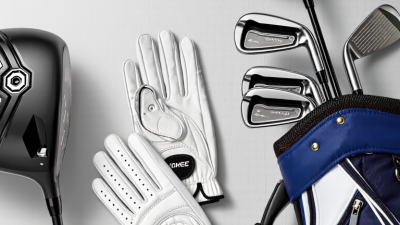
| Golf gloves | Grip, feel, fit, material, and weather conditions. | Leather gloves often emphasize a soft feel; synthetic or mixed-material designs may offer flexibility and durability. Rain gloves are made to maintain grip in wet conditions. | A glove should fit closely without restricting movement. Check for excess material at the fingertips and ensure the closure secures comfortably. | Many golfers wear a glove on the lead hand. Keep a spare available, since sweat and rain can affect grip. |
| Golf bag | Carrying comfort, storage, weight, club organization, and whether you walk or ride. | A stand bag suits many walking golfers; a cart bag is designed for use on a golf cart or push cart. Compare pocket access, divider layout, and the bag’s total weight. | Load the bag with typical equipment and test the straps, stand mechanism, zippers, and balance. | Prioritize usable storage and comfortable carrying over extra features you are unlikely to use. |
| Golf tees | Length, material, durability, and the club used for the tee shot. | Use a tee length that lets you set the ball at a comfortable height for the club. Tees may be made from wood or durable synthetic materials. | Check that tees are straight and not cracked. Confirm the ball sits securely without excessive wobbling. | Carry a few lengths so you can adjust for different clubs and personal setup preferences. |
| Rangefinder or GPS device | Distance display, readability, battery life, and applicable competition rules. | Compare how clearly the device shows distances and whether it provides the information you need. Check charging or battery requirements before purchase. | Test the display outdoors and confirm that buttons or controls are easy to use during a round. | Under the Rules of Golf, distance-measuring devices may be permitted unless a Committee adopts a Local Rule prohibiting them. Slope or other features can be restricted; check the competition rules and disable prohibited functions. |
| Towel and cleaning brush | Ease of attachment, absorbency, cleaning access, and care. | A towel that can be attached to the bag keeps it accessible. A small brush can help remove dirt from club grooves, subject to ordinary care of the club. | Check that clips or fasteners hold securely and that the towel can be washed easily. | Clean clubfaces regularly and dry equipment before storage to help prevent dirt buildup and unwanted moisture. |
| Divot repair tool and ball marker | Portability, ease of use, and durability. | Choose a compact tool that is comfortable to carry and a marker that is easy to see and retrieve. | Check that the tool is sturdy and that the marker can be removed without difficulty. | Use a repair tool carefully on ball marks and follow the course’s guidance for repairing the putting green. |
Buying approach: Set a budget, identify the equipment that addresses your current needs, and try items for fit and comfort when possible. Specifications and course or competition requirements can vary, so confirm details before purchase.
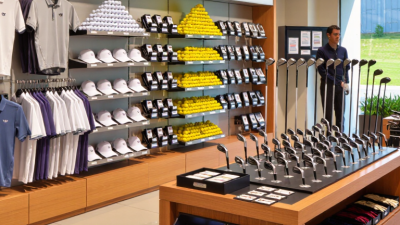
Compare retailers by more than sticker price. Check whether the listed club specifications match your height, swing, and experience. A fitting can help, but its fee and any purchase conditions should be clear before you book. The National Golf Foundation’s 2024 participation report counted 26.6 million on-course golfers in the United States in 2023. That broad player base means equipment needs vary widely; a popular set is not automatically the right set for you. Look for clear product details, stock availability, delivery estimates, and accessible customer support.
Tips: Read the return window closely. Check whether opened or assembled equipment can be returned, who pays return shipping, and whether fitting fees are refundable. Save the policy page and your order confirmation. Small details matter.
Before paying, compare the final checkout total, including delivery and taxes, across retailers. Review warranty coverage and exclusions, especially for used or discounted items. Confirm the chosen hand, shaft flex, length, and grip before submitting the order. Then check the confirmation email for the correct model and delivery address. If a policy feels vague, ask for clarification in writing. I have seen shoppers focus so heavily on price that they overlook a costly return condition; it is an easy mistake to make.
Newsletter SignupUpcoming events, promo offers, member exclusives and more.
Golf Fanatics is a Chrysalis Enterprises Company owned by a group of like-minded individuals who share a common passion and affinity for golf, investing in successful Small-Medium-Enterprises, creating rewarding employment opportunities and being good industry participants and corporate citizens.
Monday
Tuesday
Wednesday
Thursday
Friday
Saturday
Sunday
9 a.m. – 10 p.m.
8 a.m. – 10 p.m.
8 a.m. – 10 p.m.
8 a.m. – 10 p.m.
8 a.m. – 11 p.m.
8 a.m. – 11 p.m.
8 a.m. – 9 p.m.
Copyright © 2025 · Golf Fanatics is a division of Chrysalis Golf Ventures Inc.
7100 15th St SE, Calgary AB
This site is protected by reCAPTCHA and the Google Privacy Policy and Terms of Service apply.

Need help? Call our support 24/7

Just a few things before you book…
While Toptracer Range technology and our automated ball dispensers are 99% reliable, there are rare instances when they do not function properly, especially during periods of inclement weather.
Please note that we do not guarantee the reliability of these services during any booking and will not provide you with a refund or credit if they do not function properly during your booking, therefore booking our services is fully at your discretion.
By booking our services, you acknowledge full responsibility for the cost of any intentional or unintentional damages to any Golf Fanatics or neighboring property and equipment caused by you or your guests during your booking.
You and your guests hereby agree to indemnify Golf Fanatics from any liabilities associated with any personal injury incurred by you or your guests during your booking.