



Golf can feel welcoming before anyone makes a perfect swing. A child might chase a ball across the fairway, while a beginner celebrates simply reaching the green. Those small moments are often what make golf fun. They also remind us that enjoyment is not automatic; long waits, confusing rules, and pressure to perform can quickly drain it.
The National Golf Foundation reported that 26.6 million people played on-course golf in the United States in 2023. That figure shows the game’s broad appeal, but participation alone cannot tell us whether players enjoyed their round. Arnold Palmer captured golf’s mix of pleasure and difficulty: “Golf is deceptively simple and endlessly complicated; it satisfies the soul and frustrates the intellect.” His words point to a useful balance: preserve the challenge, but make room for laughter, learning, and different skill levels.
Practical changes can help. Choose a shorter course or forward tees, keep groups moving, and let new players learn without constant correction. A lost ball is not a crisis. A shaded bench, a friendly welcome, and a few relaxed swings can matter more than pristine scores. Even so, fun looks different for every group; no single format will suit everyone. This guide explores ways to make golf more inviting, social, and enjoyable, without pretending that every round will go perfectly.

Golf becomes more welcoming when the course fits the people playing it. Choose shorter tees or move forward to reduce long carries and tiring walks. For children, use lighter clubs and soft practice balls, then aim for a broad fairway rather than a tiny target. Keep it playful. A simple challenge, like landing a ball near a colored marker, can hold their attention longer than strict scoring.
Older adults and players with limited mobility may prefer a cart, smooth paths, and frequent rest stops. Check the route before playing, since a steep slope or uneven bridge can turn a pleasant round into a struggle. Beginners often enjoy fewer holes and permission to pick up after several strokes. No one needs to prove anything. Experienced players can add challenge with tighter targets or a scoring goal, while still sharing the same pace and course. Adjusting rules takes a little discussion, and it can feel awkward at first. Ask what would make the next hole more enjoyable, then listen. A small change can keep everyone involved.
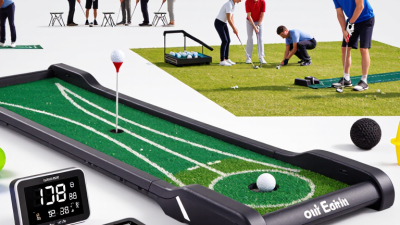
Golf feels more welcoming when players can enjoy the course without matching one another’s skill. Try a scramble: everyone hits, then the group chooses one ball for the next shot. Newer golfers get useful practice, while experienced players still make strategic choices. Keep teams small enough that nobody waits too long beside the fairway. A relaxed pace matters.
Tips: Set a casual maximum score for each hole, such as picking up after reaching double par. Let beginners tee off closer to the green, and allow a second attempt when a first shot lands in a tough spot. Agree on these options before play. Clear expectations prevent awkward debates later.
Flexible rules should make the round easier, not feel like special treatment. You might count only a few putts, skip searching for a lost ball, or play a shorter loop when time is limited. Keep one simple score, or skip scoring entirely. Some groups may find these choices too loose; ask what feels fair before the first tee. Small adjustments can help everyone stay involved, though they will not suit every player.
Choose a format that suits the group, then agree on simple adjustments before play. Local course rules and competition rules may differ.
| Format or approach | How it works | A flexible, welcoming option | Best suited for |
|---|---|---|---|
| Scramble | Every player hits a shot. The team chooses one shot, and all players hit their next shots from that spot. Play continues this way until the ball is holed. | Use teams of two to four and let players take turns choosing the team’s shot. Agree whether the selected ball may be improved within a specified area, such as a club-length, without moving it nearer the hole. | Mixed-skill groups, beginners, and social outings where teamwork matters more than individual scores. |
| Four-ball (better ball) | Each player plays their own ball throughout the hole. The team records the lower score made by either partner on each hole. | Pair players with different experience levels. A newer golfer can play their own ball without needing every shot to count toward the team score. | Pairs who want to play their own ball while still sharing a team result. |
| Short course or selected holes | Play a par-3 course, a shorter set of holes, or a nine-hole round rather than a full 18-hole round. Par-3 holes are designed to be completed in fewer strokes than longer holes. | Choose tees that match each player’s comfort and ability. Check the course’s available tees and rules before starting. | First-time golfers, families, time-limited groups, and anyone who prefers a shorter walk or round. |
| Pick-up limit | Players pick up their ball after reaching a pre-agreed maximum number of strokes on a hole, then move on. This is a casual-play adjustment rather than a rule for every formal competition. | Set the limit together before the round and record the agreed score for the hole, or simply keep a casual team total. Follow the competition’s rules if playing an official event. | Groups that want to keep play moving and reduce pressure after a difficult hole. |
| Team challenges | Players can focus on shared goals, such as the team’s best approach shot or most improved hole, instead of comparing every individual score. | Rotate small challenges and recognize different contributions, including a good recovery, a thoughtful decision, or helping another player. | Social groups who value participation, encouragement, and variety alongside golf skills. |
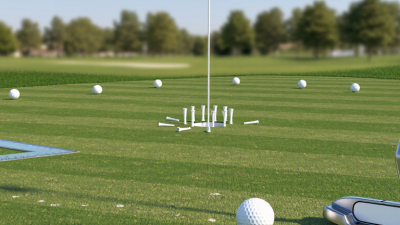
A good practice session should feel like play, not an exam. Set a small target: land three shots on a towel-sized area, or roll a putt close enough to tap in. Keep score optional. Short games give beginners a clear aim without making every miss feel costly. Let people reset. A missed shot is useful feedback, not proof that someone is “bad at golf.”
The National Golf Foundation’s 2023 participation report counted 26.6 million U.S. on-course golfers and 45 million people who played golf in some form, including off-course settings. Those figures describe the United States, but they show why flexible formats matter: golf can include a range, a putting area, or a full course. Try rotating roles, choosing different targets, and taking breaks between challenges. Keep the rules simple, and let players choose their own difficulty.
It is easy to add too many games, though; I would drop one if people spend more time tracking points than enjoying the shots.
Golf feels more social when players make room for different abilities and comfort levels. Before teeing off, ask whether anyone is new to the course or would like help with scoring. A quick, friendly explanation can ease nerves without making someone feel singled out. Small gestures matter.
On the course, keep conversation light and let each player prepare for a shot without pressure. If one group plays faster, invite them through when there is a safe opening. Replace divots, repair pitch marks, and rake bunkers after use; these habits protect the course and show respect for everyone behind you. Keep phones quiet near a swing, and avoid correcting another player unless they ask. I have seen well-meant advice spoil the mood. Sometimes, a smile works better.
Tips: Agree on a relaxed pace before the first hole. Celebrate a good shot, not just a low score. Choose a nearby tee for beginners, and let them play a shorter route when needed. If someone seems uncomfortable, ask privately what would make the round easier. Let it breathe.
Comfortable golf starts before the first tee. The National Golf Foundation reported that 26.6 million Americans played on a golf course in 2023; including off-course formats, participation reached 45 million. That wider audience includes newcomers who may need more time, clearer directions, and a relaxed pace. Keep groups small when possible, choose tees that fit players’ abilities, and let faster groups play through when safe. No one needs to prove anything.
Safety should feel practical, not preachy. Check the forecast, and stop play when thunder or lightning threatens; shelter in a substantial building, not under a tree. Drink water between holes, use sun protection, and leave space between groups before swinging. On shared paths, slow carts near pedestrians and follow course signs. Small habits matter.
Comfort also means making room for different skill levels. Agree on simple expectations before the round, such as playing ready golf when appropriate and limiting searches for lost balls. The USGA’s pace-of-play guidance emphasizes keeping up with the group ahead, rather than rushing the group behind. That distinction helps beginners relax. I still think many groups overfocus on score. A quiet bench, a shaded rest, or permission to pick up a ball can make the day kinder. Not every hole needs a lesson.
Newsletter SignupUpcoming events, promo offers, member exclusives and more.
Golf Fanatics is a Chrysalis Enterprises Company owned by a group of like-minded individuals who share a common passion and affinity for golf, investing in successful Small-Medium-Enterprises, creating rewarding employment opportunities and being good industry participants and corporate citizens.
Monday
Tuesday
Wednesday
Thursday
Friday
Saturday
Sunday
9 a.m. – 10 p.m.
8 a.m. – 10 p.m.
8 a.m. – 10 p.m.
8 a.m. – 10 p.m.
8 a.m. – 11 p.m.
8 a.m. – 11 p.m.
8 a.m. – 9 p.m.
Copyright © 2025 · Golf Fanatics is a division of Chrysalis Golf Ventures Inc.
7100 15th St SE, Calgary AB
This site is protected by reCAPTCHA and the Google Privacy Policy and Terms of Service apply.

Need help? Call our support 24/7

Just a few things before you book…
While Toptracer Range technology and our automated ball dispensers are 99% reliable, there are rare instances when they do not function properly, especially during periods of inclement weather.
Please note that we do not guarantee the reliability of these services during any booking and will not provide you with a refund or credit if they do not function properly during your booking, therefore booking our services is fully at your discretion.
By booking our services, you acknowledge full responsibility for the cost of any intentional or unintentional damages to any Golf Fanatics or neighboring property and equipment caused by you or your guests during your booking.
You and your guests hereby agree to indemnify Golf Fanatics from any liabilities associated with any personal injury incurred by you or your guests during your booking.